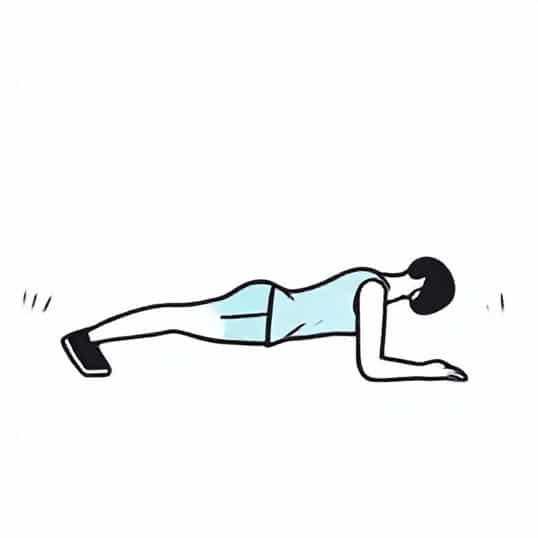
How To Plank Exercise
Plank exercise is one of the most effective bodyweight movements for strengthening the core and improving overall stability. It requires no equipment, can be done almost anywhere, and targets multiple muscle groups at once. While it may look simple at first glance, performing a proper plank demands focus, control, and good form. Many people underestimate this exercise, but when done correctly, planking builds strength in the abs, back, shoulders, and even legs. To get the most out of the plank exercise, it is important to learn proper technique, understand variations, and know how to avoid common mistakes.
Understanding the Plank Exercise
The plank is an isometric exercise, which means you hold your body in a static position without movement. Unlike traditional crunches or sit-ups, planking engages the entire core as one unit, helping improve posture and stability. The main goal is to keep your body in a straight line while supporting your weight on your elbows or hands and toes. Holding this position for extended periods of time strengthens the deep abdominal muscles and improves endurance.
Muscles Worked During Plank
Plank exercise is considered a full-body movement because it activates multiple muscles simultaneously. Some of the key muscles involved include
- Rectus abdominisThe front abdominal muscles that give the appearance of a six-pack.
- Transverse abdominisDeep core muscles that stabilize the spine and pelvis.
- ObliquesSide abdominal muscles that support rotation and lateral movement.
- Lower backHelps prevent sagging during the hold.
- Shoulders and armsSupport body weight during the position.
- Leg musclesQuads, glutes, and hamstrings engage to keep the body aligned.
How to Do a Standard Forearm Plank
The forearm plank is the most common variation and a great starting point for beginners. Here are the steps to perform it correctly
- Start by lying face down on the floor.
- Place your forearms on the ground with elbows directly under your shoulders.
- Tuck your toes under and lift your body off the floor.
- Keep your body in a straight line from head to heels.
- Engage your core by pulling your belly button toward your spine.
- Hold the position while breathing steadily, avoiding holding your breath.
Proper Form Tips
Maintaining proper form is essential for safety and effectiveness. Keep these tips in mind while holding the plank
- Avoid letting your hips sag toward the ground.
- Do not raise your hips too high keep the line straight.
- Keep your neck neutral by looking at the floor.
- Engage your glutes and thighs to support stability.
- Breathe slowly and evenly instead of tensing up.
Different Variations of the Plank
Once you are comfortable with the standard forearm plank, you can explore variations to challenge different muscles and add variety to your routine.
High Plank (Straight Arm Plank)
This version is performed with your arms fully extended, similar to the top of a push-up position. It places more emphasis on the shoulders, chest, and wrists while still engaging the core.
Side Plank
The side plank focuses on the oblique muscles. To do it, lie on your side, support your body with one forearm, and stack your legs. Lift your hips and hold your body in a straight line.
Plank with Leg Lift
This advanced variation adds intensity by lifting one leg off the ground while holding the plank position. It challenges balance and further engages the glutes.
Plank with Arm Reach
Extend one arm forward while holding the plank. This forces your core to stabilize against the shifting weight, improving balance and shoulder stability.
Dynamic Plank (Plank to Elbow)
Switch between forearm and straight-arm positions without dropping your body. This adds movement, increases intensity, and builds endurance.
Common Mistakes to Avoid
Many beginners make mistakes that reduce the effectiveness of the plank exercise or cause discomfort. Watch out for these errors
- Letting the lower back arch excessively, which strains the spine.
- Holding your breath instead of breathing normally.
- Allowing the shoulders to shrug toward the ears.
- Dropping the hips too low, which reduces core engagement.
- Overextending the neck instead of keeping it neutral.
How Long Should You Hold a Plank?
The duration of a plank depends on your fitness level. Beginners may start with 15-30 seconds, while more advanced individuals can hold planks for one to two minutes or longer. Quality is more important than quantity holding a plank with proper form for a shorter time is more effective than a long plank with poor form. Gradually increase your holding time as your strength improves.
Benefits of the Plank Exercise
Planking is a simple but powerful exercise with multiple benefits
- Core strengthStrengthens deep abdominal muscles essential for stability.
- Improved postureSupports spinal alignment and reduces slouching.
- Better balanceEngages stabilizer muscles that help with coordination.
- Injury preventionStrengthens the lower back and reduces the risk of strain.
- ConvenienceCan be done anywhere without equipment.
Incorporating Planks into a Workout Routine
The plank can be used as a standalone exercise or as part of a larger workout. Here are some ways to include it
- Warm-up Hold a short plank to activate core muscles before strength training.
- Core workout Combine different plank variations into a circuit.
- HIIT sessions Add planks between cardio intervals for balance and stability.
- Cool-down Finish with a plank hold to reinforce core engagement.
Progressing with the Plank Exercise
To continue improving, you can gradually increase difficulty. Options include
- Holding the plank for longer periods.
- Adding movement, such as shoulder taps or knee-to-elbow planks.
- Incorporating stability tools like exercise balls or sliders.
- Wearing a weighted vest for added resistance.
Plank Exercise for Different Fitness Goals
Whether your goal is strength, endurance, or aesthetics, planks can be adapted to suit your needs
- For strengthFocus on shorter but more challenging variations with added resistance.
- For endurancePractice holding planks for longer durations.
- For fat lossCombine planks with cardio and full-body exercises to maximize calorie burn.
The plank exercise is a simple yet highly effective way to strengthen the core, improve stability, and enhance overall fitness. With proper form, variations, and progression, anyone can benefit from this versatile movement. It requires no special equipment, making it an accessible option for beginners and advanced athletes alike. By practicing planks regularly and avoiding common mistakes, you can build a stronger, more resilient body that supports better posture, improved performance, and long-term health.