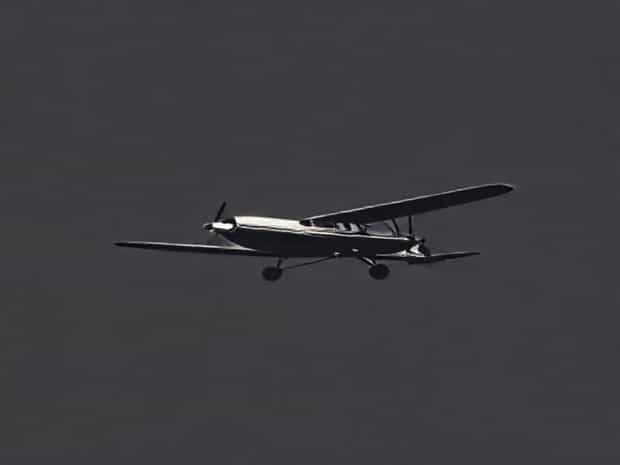
Airdrome Fokker D Viii
The Airdrome Fokker D VIII is a modern kit-built replica of the historic Fokker D.VIII, a German fighter aircraft that first flew during World War I. Known for its distinctive monoplane design and historical significance, the Airdrome Fokker D VIII offers aviation enthusiasts an opportunity to experience the charm and thrill of early 20th-century flight. Designed for homebuilders, this aircraft combines period-accurate aesthetics with modern materials and construction techniques, making it accessible, safe, and enjoyable for hobbyists who value both history and aviation performance. Understanding its design, construction, and flying characteristics helps aviation fans appreciate why the Airdrome Fokker D VIII continues to attract attention among kit aircraft builders.
Historical Background of the Fokker D.VIII
The original Fokker D.VIII was developed in 1918 as a late World War I fighter for the German Luftstreitkräfte. It was unique among German fighters of the era for its parasol-wing monoplane design, which gave it superior visibility and maneuverability compared to the more common biplanes of the time. Although it entered service shortly before the end of the war, the Fokker D.VIII gained recognition for its innovative design, light weight, and impressive handling characteristics. Its legacy lives on in modern reproductions, such as the Airdrome Fokker D VIII, which allow pilots to experience a piece of aviation history firsthand.
Introduction to the Airdrome Fokker D VIII
The Airdrome Fokker D VIII is a 1/2 or 3/4 scale replica designed by Airdrome Aeroplanes for amateur construction. Unlike its full-scale historical counterpart, this version uses modern aluminum tubing, aircraft fabric, and up-to-date engines, combining historical authenticity with practical and safe flying features. The kit is aimed at builders who want an accurate-looking vintage fighter but prefer the reliability and efficiency of contemporary materials and technology.
Design and Construction
The Airdrome Fokker D VIII maintains the parasol-wing monoplane configuration that defined the original aircraft. Builders appreciate its straightforward construction process, which emphasizes safety and accessibility while remaining faithful to the aircraft’s historical lines.
- MaterialsLightweight aluminum tubing forms the airframe, covered with aircraft-grade fabric for durability and historical authenticity.
- Wing DesignParasol-wing configuration offers excellent visibility for the pilot and mimics the original aerodynamic layout.
- FuselageStreamlined construction captures the aesthetic of the World War I fighter while providing structural integrity.
- Engine OptionsTypically uses small, modern piston engines that deliver reliable performance with low maintenance.
- Landing GearFixed conventional landing gear simplifies building and maintenance, reflecting the original taildragger design.
Building the Kit
One of the most appealing aspects of the Airdrome Fokker D VIII is the kit itself. It is designed for amateur builders, with clear instructions and pre-fabricated components to streamline construction. While the process requires dedication, it is accessible to hobbyists with moderate experience in aircraft assembly.
Step-by-Step Assembly
The construction process typically includes assembling the fuselage, mounting the wing, installing control surfaces, and covering the airframe with fabric. Modern adhesives, fasteners, and lightweight aluminum reduce assembly time while ensuring structural integrity. Builders often take several months to complete the aircraft, depending on experience and available time.
Customization Options
Builders can customize their Airdrome Fokker D VIII with period-style paint schemes, modern avionics, or upgraded engines. These options allow enthusiasts to create a personalized aircraft that balances historical appearance with practical flying enhancements.
Performance and Flying Characteristics
Although a replica, the Airdrome Fokker D VIII offers a flight experience reminiscent of the original World War I fighter. Its lightweight design, combined with a powerful small engine, provides responsive handling and a thrilling sense of openness that modern enclosed aircraft often cannot replicate.
Maneuverability
The parasol-wing configuration offers excellent visibility and smooth handling. Pilots report a nimble feel, with quick roll response and stable performance at lower speeds. This makes it suitable for recreational flying, demonstrations, and airshows.
Takeoff and Landing
Equipped with a conventional taildragger landing gear, the Airdrome Fokker D VIII requires basic tailwheel flying skills. Its low stall speed and light weight make takeoffs and landings manageable, though pilots must remain attentive to crosswinds and runway conditions. With proper training, the aircraft is safe and enjoyable to operate.
Flight Experience
Flying the Airdrome Fokker D VIII immerses pilots in a nostalgic atmosphere, echoing the open-cockpit experience of early aviation. The sense of freedom, unobstructed views, and connection to the air provides a unique recreational experience, which is a significant draw for historical aviation enthusiasts.
Historical Accuracy and Aesthetics
A key feature of the Airdrome Fokker D VIII is its attention to historical detail. From the wing struts to the fuselage shape, the replica captures the visual essence of the original D.VIII. Enthusiasts and spectators alike appreciate the authentic look, making it a popular choice for airshows, museums, and vintage aviation events.
- Period-correct fuselage shape and wing configuration
- Optional replica markings and insignia for historical accuracy
- Exposed cockpit and control layout reminiscent of World War I fighters
- Ability to display at airshows as a flying museum piece
Safety Considerations
While replicating a vintage aircraft, safety remains a priority. The Airdrome Fokker D VIII’s use of modern materials, reliable engines, and straightforward design enhances safety compared to the original World War I fighter. Pilots are advised to complete tailwheel and vintage aircraft training to ensure safe handling, particularly during takeoff, landing, and aerobatic maneuvers.
Maintenance
Maintenance is simplified due to aluminum construction and modern engines. Fabric covering is durable and can be easily repaired. Regular inspections, engine maintenance, and control checks ensure the aircraft remains airworthy while retaining historical authenticity.
Community and Enthusiast Culture
Building and flying an Airdrome Fokker D VIII connects pilots to a vibrant community of vintage aircraft enthusiasts. Clubs, online forums, and airshows provide opportunities for sharing experiences, troubleshooting construction challenges, and displaying completed aircraft. This sense of community adds to the appeal of owning and flying a historical replica.
Airshows and Demonstrations
Many Airdrome Fokker D VIII owners participate in airshows, showcasing the aircraft to the public. Its historical appearance and unique flight characteristics make it a highlight, educating audiences about early aviation history while providing an entertaining display.
The Airdrome Fokker D VIII stands as a remarkable blend of historical tribute and modern aviation practicality. By offering a replica of the World War I fighter with contemporary materials, engines, and construction techniques, it allows hobbyists to experience the aesthetics and thrill of early flight safely. Its attention to historical accuracy, manageable building process, and engaging flight characteristics make it an appealing choice for aviation enthusiasts, airshow participants, and collectors alike. The Airdrome Fokker D VIII not only preserves the legacy of the original aircraft but also provides a unique and enjoyable experience for a new generation of pilots and builders, bridging the gap between aviation history and modern recreational flying.