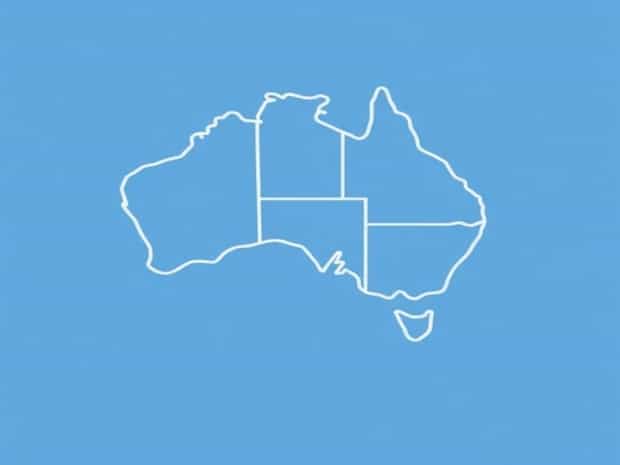
Accessibility Remoteness Index Of Australia
The Accessibility Remoteness Index of Australia, often abbreviated as ARIA, plays a major role in understanding how communities are spread across the continent and how accessible they are to essential services. Australia’s vast landmass is marked by sharp contrasts bustling urban centers on the coasts and sparsely populated outback regions. To ensure that public policies, funding, and healthcare programs are distributed fairly, the ARIA provides a standardized way to measure remoteness. By examining how far communities are from basic services, the index highlights the challenges of living in remote areas and helps governments, researchers, and communities make informed decisions. This concept is not just technical but deeply connected to everyday life, as it influences healthcare access, education opportunities, and social equity in Australia.
What is the Accessibility Remoteness Index of Australia?
The Accessibility Remoteness Index of Australia was developed in the late 1990s as a way to classify areas of the country according to their relative remoteness. The index is calculated by measuring the road distance to nearby service centers of various sizes. These service centers are towns and cities where essential goods and services, such as hospitals, schools, and shops, are available. The ARIA system was designed to provide a consistent and objective tool for assessing remoteness, which was especially important for distributing government resources fairly across diverse regions.
Why ARIA Matters
Australia’s geography creates a significant challenge for delivering public services. While most of the population lives in coastal cities such as Sydney, Melbourne, and Brisbane, vast numbers of people live in rural or remote areas with limited access to infrastructure. ARIA matters because it makes the invisible visible it quantifies the disadvantage of distance. Without such a measure, rural communities might be overlooked when it comes to funding and policy decisions.
Key Benefits of ARIA
- Helps distribute healthcare resources more equitably.
- Supports education policies tailored for rural and remote students.
- Guides infrastructure investment in transport and communication.
- Provides a standard measurement for researchers and policymakers.
How ARIA is Calculated
The Accessibility Remoteness Index of Australia is not based on population but on distance. The method involves calculating road distance from a given location to the nearest service centers of five different categories, ranging from small towns to major cities. These distances are then combined into a score that represents the relative remoteness of that location. The higher the score, the more remote the area. This approach ensures that even small communities can be classified accurately, regardless of their population size.
Categories of Remoteness in Australia
ARIA scores are grouped into categories that represent different levels of remoteness. These categories help people easily understand the index and apply it in real-world contexts. The categories are
- Major Cities of AustraliaHighly accessible areas with very short distances to service centers.
- Inner RegionalAreas that are accessible but located outside major cities.
- Outer RegionalAreas that are moderately accessible, often including medium-sized towns.
- RemoteLocations with limited access to services, requiring significant travel.
- Very RemoteExtremely isolated areas, often in the outback, with minimal access to essential services.
Impact on Healthcare
One of the most significant uses of the Accessibility Remoteness Index of Australia is in healthcare planning. Access to hospitals, medical specialists, and even basic general practitioners can be scarce in remote and very remote areas. ARIA allows governments to allocate resources and funding to ensure that people living far from urban centers are not left behind. For example, telehealth services and flying doctor programs are often targeted toward regions identified as highly remote by the index.
Impact on Education
Education is another field where ARIA plays a crucial role. Students in very remote areas often face difficulties accessing secondary schools or universities. ARIA classifications are used to provide additional support, such as distance education programs, scholarships for rural students, and investment in digital learning platforms. By identifying the levels of remoteness, the government and educational institutions can tailor programs to ensure equity in learning opportunities.
Social and Economic Implications
Beyond healthcare and education, the Accessibility Remoteness Index of Australia also shapes social and economic policies. Remote communities often struggle with fewer job opportunities, reduced access to technology, and higher costs of living due to transportation challenges. ARIA helps policymakers design targeted programs to reduce inequality. It also assists businesses in understanding the unique challenges of operating in different regions, from supply chain logistics to workforce availability.
Role in Indigenous Communities
Many Indigenous Australians live in remote and very remote regions. The ARIA is essential for understanding the specific challenges faced by these communities, including limited access to healthcare, education, and employment. By incorporating ARIA into policy frameworks, governments can prioritize initiatives that support Indigenous well-being and cultural preservation in areas where services are hardest to reach.
Limitations of ARIA
While the Accessibility Remoteness Index of Australia is a powerful tool, it has limitations. It measures physical distance but does not account for other factors such as socioeconomic status, quality of services, or cultural differences. For instance, two communities might be equally remote in terms of distance, but one might have better transport connections or stronger local resources. Policymakers often combine ARIA with other data sources to gain a more complete picture of disadvantage and need.
Future of ARIA and Policy Planning
As technology and infrastructure evolve, the way remoteness is experienced in Australia may change. The rise of telehealth, online education, and improved transport networks can reduce the challenges associated with distance. However, ARIA will likely remain a core framework for measuring accessibility and ensuring fair resource allocation. Future updates to the index may incorporate new dimensions, such as digital connectivity, to better reflect modern realities of life in rural and remote Australia.
The Accessibility Remoteness Index of Australia is more than just a statistical tool; it is a framework that shapes the daily lives of millions of Australians. By measuring how far communities are from essential services, ARIA brings clarity to the challenges of living in rural and remote areas. It guides healthcare, education, and infrastructure policies, ensuring that no region is forgotten. While it has limitations, the index remains a cornerstone of fair planning and resource distribution across Australia. In a country where distance defines opportunity, ARIA ensures that remoteness is not overlooked but addressed thoughtfully and systematically.