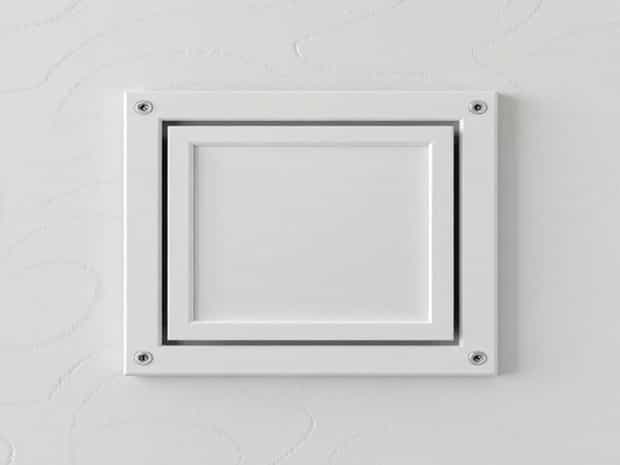
Access Panel For Drywall
An access panel for drywall is a simple yet essential feature in modern construction, providing a practical solution to conceal and protect important components such as plumbing, electrical wiring, and HVAC systems while still allowing easy access when maintenance is needed. Instead of leaving pipes, wires, or valves exposed, homeowners and contractors can install drywall access panels that blend seamlessly into walls or ceilings. These panels are available in a wide range of sizes, materials, and designs, making them a versatile choice for residential, commercial, and industrial buildings. Understanding how access panels for drywall work, their benefits, and installation methods can help anyone planning a renovation or construction project make informed decisions.
What is an Access Panel for Drywall?
An access panel for drywall is a framed opening that is installed in a wall or ceiling to provide entry to concealed utilities. It usually comes with a hinged or removable door that can be easily opened when service is required. The panel is designed to be unobtrusive, often painted to match the surrounding surface so that it does not interfere with the overall aesthetic of the room.
Common Uses
- Accessing plumbing shut-off valves behind walls.
- Reaching electrical junction boxes and wiring systems.
- Allowing service for heating, ventilation, and air conditioning (HVAC) units.
- Providing entry to storage spaces or crawl areas.
- Maintaining security systems, cable connections, and internet wiring.
Types of Access Panels for Drywall
There are several types of drywall access panels, each designed for specific needs. The choice of panel depends on where it will be installed, the level of security required, and whether aesthetics are a priority.
Standard Plastic or Metal Panels
These are the most common options, made from durable plastic or metal. They are cost-effective, easy to install, and suitable for general household use. They can be painted to match drywall colors for a seamless appearance.
Fire-Rated Access Panels
Fire-rated panels are designed for areas where fire safety is a concern. These panels are manufactured to withstand high temperatures and prevent the spread of fire through walls or ceilings. They are commonly used in commercial or industrial buildings but can also be valuable in residential projects.
Soundproof Access Panels
For rooms that require noise control, such as recording studios or apartments, soundproof access panels help maintain acoustic integrity while still offering utility access.
Security Access Panels
These panels are reinforced with locks or heavy-duty materials to prevent unauthorized entry. They are ideal for securing electrical systems, server rooms, or sensitive equipment.
Benefits of Using an Access Panel for Drywall
Installing an access panel offers numerous advantages for homeowners, contractors, and building managers. They improve convenience, protect systems, and enhance the overall value of a property.
Practical Benefits
- Easy access for maintenance and repairs without damaging the wall.
- Improves the safety of plumbing and electrical systems by keeping them enclosed.
- Reduces costs by eliminating the need to cut and repair drywall repeatedly.
- Keeps important utilities organized and out of sight.
Aesthetic Benefits
- Blends with the drywall surface when painted or finished properly.
- Available in flush-mount designs for a seamless look.
- Helps maintain a clean, uncluttered interior design.
Materials Used in Access Panels
The durability and performance of an access panel depend largely on the materials used. Different materials are suited for different environments and requirements.
Plastic Panels
Lightweight and cost-effective, plastic panels are resistant to moisture and are ideal for bathrooms, basements, or areas with high humidity. They are also easy to install and maintain.
Metal Panels
Metal access panels, often made from steel or aluminum, are more durable and provide better protection against impact. They are suitable for both residential and industrial applications.
Gypsum Panels
Designed to integrate seamlessly with drywall, gypsum panels are perfect for achieving a completely uniform look. They can be finished with the same paint or texture as the surrounding wall.
Installation Process
Installing an access panel for drywall is a straightforward process, but precision is important to ensure a secure fit and clean finish. Both DIY enthusiasts and professional contractors can manage the installation with the right tools and careful planning.
Steps for Installation
- Choose the right size and type of access panel based on your needs.
- Mark the area on the drywall where the panel will be installed.
- Cut an opening using a drywall saw or utility knife.
- Insert the panel frame securely into the opening.
- Fix the panel with screws or adhesive, depending on the design.
- Paint or finish the panel door to match the surrounding drywall.
Factors to Consider When Choosing an Access Panel
Selecting the right access panel for drywall involves evaluating several important factors. Making the right choice ensures long-term convenience, safety, and durability.
Size and Placement
The panel should be large enough to allow easy entry but small enough to remain discreet. Placement should allow direct access to utilities without obstruction.
Material Durability
Consider the environment where the panel will be installed. For example, plastic panels are ideal for humid spaces, while metal panels are better for heavy-duty applications.
Design and Aesthetics
Homeowners often prefer flush or paintable designs that blend seamlessly into walls or ceilings for a neat appearance.
Budget and Cost
While standard panels are affordable, specialized options such as fire-rated or soundproof panels may be more expensive. Balancing functionality with budget is essential.
Maintenance of Drywall Access Panels
Once installed, drywall access panels require minimal maintenance. However, occasional inspections are recommended to ensure they remain in good condition and function properly.
Maintenance Tips
- Check hinges, locks, or latches periodically for smooth operation.
- Clean the panel surface regularly to prevent dust buildup.
- Repaint the panel as needed to maintain a uniform appearance.
- Ensure the panel frame remains securely fastened to the drywall.
Applications Beyond Residential Use
While access panels are commonly installed in homes, they are also widely used in commercial and industrial settings. Offices, hospitals, and factories rely on these panels to provide safe and convenient access to essential systems.
Examples of Commercial Uses
- Hospital maintenance rooms with electrical and plumbing systems.
- Office buildings requiring concealed cable management.
- Industrial sites where safety and quick access to equipment are priorities.
An access panel for drywall is a functional and aesthetic addition that simplifies maintenance while keeping essential utilities hidden from view. Available in various sizes, materials, and designs, these panels serve as a practical solution for both residential and commercial construction. Whether you are renovating a bathroom, upgrading an office, or building a new home, understanding the benefits and installation process of drywall access panels will help you make the right choice. By selecting the proper type and maintaining it over time, you can ensure long-lasting convenience, safety, and a polished appearance in any interior space.