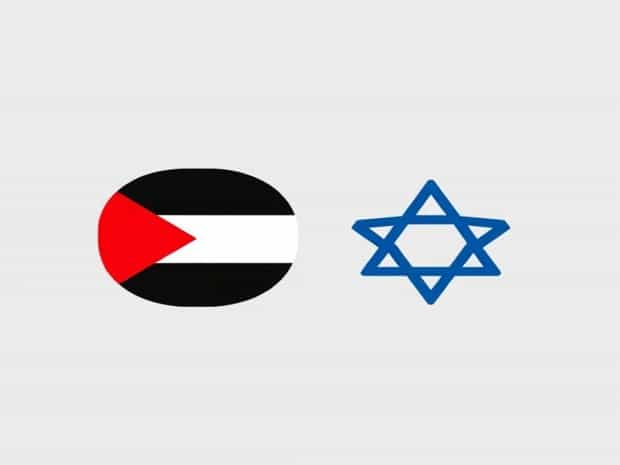
About Palestine And Israel
The conflict between Palestine and Israel is one of the most complex and longstanding disputes in modern history, involving deep-rooted political, religious, and cultural dimensions. The region, historically known as the Holy Land, has seen centuries of conquest, migration, and settlement, resulting in a diverse population with competing national and religious claims. Today, understanding the conflict requires examining historical events, territorial disputes, international interventions, and the human experiences that shape the lives of people in both Israel and Palestine. The situation is deeply intertwined with global politics, humanitarian concerns, and efforts toward peace.
Historical Background
The history of Palestine and Israel dates back thousands of years, with the area being a focal point for Jewish, Christian, and Muslim civilizations. In modern history, the late 19th and early 20th centuries saw the rise of Zionism, a movement advocating for the establishment of a Jewish homeland in the region, alongside growing Palestinian Arab nationalism. The British Mandate over Palestine after World War I and subsequent geopolitical developments set the stage for tensions, as both communities sought political and territorial recognition.
The Creation of Israel
In 1947, the United Nations proposed a partition plan to create separate Jewish and Arab states, leading to the declaration of the State of Israel in 1948. This event, known as the Nakba or catastrophe” by Palestinians, resulted in the displacement of hundreds of thousands of Palestinian Arabs. Several wars followed, including the 1948 Arab-Israeli War and the Six-Day War in 1967, which led to Israel’s control over additional territories, including the West Bank, Gaza Strip, and East Jerusalem. These events entrenched divisions and fueled ongoing conflict.
Palestinian Nationalism
Palestinian nationalism emerged as a response to the displacement and occupation, with political organizations such as the Palestine Liberation Organization (PLO) advocating for self-determination. The struggle for recognition and sovereignty became central to Palestinian identity, with calls for the establishment of an independent state within the borders prior to 1967. The tension between Israeli security concerns and Palestinian aspirations for statehood remains a key challenge in the peace process.
Territorial Disputes and Settlements
Territorial disputes are a central issue in the Israel-Palestine conflict. The West Bank and Gaza Strip are the primary territories where these disputes are most intense. Israel has established settlements in the West Bank, which are considered illegal under international law, though Israel disputes this. These settlements complicate negotiations and create daily challenges for Palestinians, including restrictions on movement, access to resources, and economic opportunities.
East Jerusalem
East Jerusalem is another focal point of contention. Israel considers Jerusalem its undivided capital, while Palestinians claim East Jerusalem as the capital of a future Palestinian state. The city holds religious significance for Jews, Muslims, and Christians alike, making its status highly sensitive and central to the broader conflict. International efforts to mediate Jerusalem’s status have repeatedly faced obstacles due to deep-rooted religious and political sentiments.
Gaza Strip
The Gaza Strip, governed by Hamas since 2007, experiences frequent clashes with Israel, including military operations and rocket exchanges. The blockade imposed by Israel and Egypt has created severe humanitarian conditions, with limited access to basic necessities such as electricity, clean water, and medical care. Gaza represents one of the most visible and tragic aspects of the conflict, highlighting the human cost of ongoing political disputes.
International Involvement
The international community has played a significant role in attempting to resolve the Israel-Palestine conflict. The United Nations, United States, European Union, and other countries have facilitated negotiations, provided humanitarian aid, and proposed peace initiatives. The Oslo Accords in the 1990s marked a historic attempt to achieve a two-state solution, though subsequent events have undermined progress, including continued settlement expansion and cycles of violence.
Peace Initiatives
Various peace initiatives, including the Camp David Summit, the Road Map for Peace, and more recent proposals, have sought to address key issues such as borders, refugees, security, and the status of Jerusalem. Despite these efforts, political divisions within both Israeli and Palestinian leadership, as well as broader regional dynamics, have hindered lasting solutions. The lack of trust and recurring violence have made sustainable peace elusive.
Global Perspectives
Countries and international organizations have differing stances on the conflict. Some support Israel’s security concerns, while others advocate for Palestinian statehood and rights. The United States has historically been a key ally of Israel, whereas other nations, including members of the Arab League, have supported Palestinian sovereignty. These international perspectives shape diplomatic efforts, aid programs, and global discourse on the conflict.
Humanitarian Impact
The conflict has profound humanitarian implications, affecting millions of people on both sides. Palestinian civilians in the West Bank and Gaza face restrictions on movement, limited economic opportunities, and intermittent violence. Israeli civilians are also affected by rocket attacks and security threats. Organizations such as the Red Cross, UNRWA, and various NGOs work to provide aid, though the challenges remain immense. Human stories from the region underscore the urgent need for solutions that prioritize human rights and safety.
Daily Life in Conflict Zones
Daily life for Palestinians often involves navigating checkpoints, enduring curfews, and coping with limited access to education and healthcare. In Israel, citizens contend with security alerts, bomb shelters, and psychological stress from ongoing threats. These conditions influence generations, shaping perspectives, resilience, and the social fabric of communities on both sides.
Education and Youth
Education in both Israel and Palestine is impacted by the conflict. Palestinian children face disruptions due to military presence and political instability, while Israeli youth experience drills and emergency preparedness training. Despite these challenges, educational institutions continue to play a role in fostering understanding, resilience, and hope for future generations, emphasizing the importance of investing in youth amid conflict.
Challenges and Prospects for Peace
Achieving peace between Israel and Palestine is complicated by historical grievances, security concerns, political fragmentation, and external influences. Trust-building, negotiation, and adherence to international law are critical but difficult to implement. Prospects for a two-state solution remain a focus of international diplomacy, though alternative proposals, such as a one-state solution or confederation, are also discussed in academic and political circles.
Key Obstacles
- Territorial disputes and settlement expansion.
- Status of Jerusalem and holy sites.
- Refugee rights and compensation.
- Political divisions within Israeli and Palestinian leadership.
- Cycles of violence undermining trust.
Potential Pathways
Long-term solutions require dialogue, compromise, and recognition of mutual rights. International mediation, grassroots peacebuilding efforts, and fostering economic and social development are essential components. Promoting understanding between communities, protecting human rights, and creating frameworks for shared governance could help pave the way for a sustainable resolution. While the path is challenging, hope remains through continued advocacy, diplomacy, and the commitment of individuals and organizations working for peace.
The conflict between Palestine and Israel is a multifaceted struggle with deep historical roots, territorial disputes, and profound human consequences. Understanding the historical context, political dynamics, and humanitarian impact is essential to appreciate the complexity of the situation. While international involvement and peace initiatives have faced challenges, the enduring aspiration for justice, security, and coexistence drives continued efforts. Educating the world about the realities faced by Israelis and Palestinians, supporting dialogue, and promoting empathy remain crucial steps toward achieving lasting peace in this historically significant region.
“