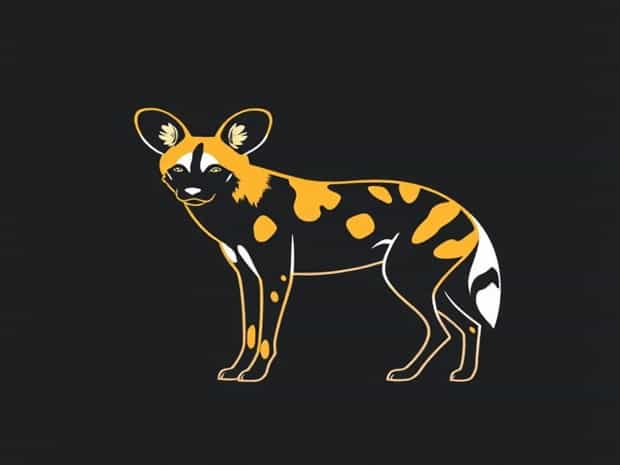
About African Wild Dog
The African wild dog, also known as the painted wolf, is one of the most fascinating and social predators found in the African savannas and woodlands. Known for their strikingly patterned fur, large rounded ears, and lean, muscular bodies, these animals are highly adapted for endurance hunting. African wild dogs are unique in their complex social structures, cooperative hunting strategies, and communication methods, making them one of the most intriguing species in Africa’s diverse wildlife. Despite their remarkable abilities, African wild dogs are considered endangered due to habitat loss, human-wildlife conflict, and disease, making conservation efforts critical for their survival.
Physical Characteristics
African wild dogs have a distinctive appearance that sets them apart from other canids. Their fur is covered with irregular patches of black, brown, white, and yellow, giving each individual a unique coat pattern. They are medium-sized carnivores, typically weighing between 18 and 36 kilograms and measuring around 75 to 110 centimeters in body length. Their long legs and slim bodies make them exceptionally fast runners, capable of reaching speeds of up to 60 kilometers per hour. Large, rounded ears help with thermoregulation and acute hearing, which is essential for hunting and communication within the pack.
Social Structure
One of the most remarkable aspects of African wild dogs is their social behavior. They live in highly organized packs ranging from 6 to 20 individuals, although larger groups have been observed. The packs are led by a dominant breeding pair, usually the alpha male and female, while the rest of the group assists in raising pups and hunting. Cooperative behavior extends to hunting, feeding, and caring for sick or injured members. This strong social cohesion is critical for their survival, as it allows the pack to take down prey much larger than a single dog could manage alone.
Hunting and Diet
African wild dogs are expert hunters, relying on endurance, teamwork, and strategy rather than stealth. They primarily hunt medium-sized ungulates such as impala, wildebeest calves, and gazelles. Hunting is usually a cooperative effort where pack members take turns chasing and exhausting their prey over long distances. Their success rate is higher than that of many other predators, with coordinated attacks often resulting in a kill within minutes. African wild dogs consume their prey quickly to avoid competition from larger predators such as lions or hyenas.
Communication Methods
Effective communication is crucial for the success of African wild dogs, both in hunting and social interactions. They use a combination of vocalizations, body language, and facial expressions to convey information. Distinctive hoo calls can signal location to pack members over long distances, while squeaks and whines help maintain contact during hunts. Body postures, tail positions, and ear movements also play a role in establishing social hierarchy and coordinating group activities. These communication strategies make African wild dogs one of the most socially complex carnivores in Africa.
Reproduction and Pup Care
Reproduction in African wild dogs is highly organized within the pack structure. The alpha pair is typically the only one to breed, producing litters of 6 to 20 pups annually. Once born, the pups are cared for by the entire pack, with adults regurgitating food and providing protection. The cooperative care extends to teaching the young essential survival skills, such as hunting techniques and social behavior. Pup survival depends heavily on the pack’s cohesion, as it provides food, protection, and guidance in the early stages of life.
Habitat and Range
African wild dogs inhabit a variety of ecosystems across sub-Saharan Africa, including savannas, woodlands, and grasslands. They require large territories to support their hunting and social needs, often covering areas of several hundred square kilometers. Historically, their range was much larger, but habitat fragmentation, human encroachment, and competition with other predators have significantly reduced their distribution. Protected areas, national parks, and wildlife reserves play a crucial role in maintaining viable populations and ensuring the survival of this species.
Threats and Conservation
The African wild dog faces numerous threats that have contributed to its endangered status. Habitat loss due to agriculture, urbanization, and infrastructure development limits available territory and prey. Human-wildlife conflict, including hunting and poisoning, further reduces their populations. Additionally, diseases such as rabies and canine distemper, often transmitted by domestic dogs, pose significant risks. Conservation organizations are working to protect African wild dogs through habitat preservation, anti-poaching initiatives, vaccination programs, and public awareness campaigns.
Role in the Ecosystem
African wild dogs play a vital role in maintaining the balance of ecosystems. As apex predators, they help regulate populations of herbivores, preventing overgrazing and promoting biodiversity. Their hunting activities influence the behavior of prey species, which can affect vegetation patterns and habitat structure. Protecting African wild dogs therefore benefits entire ecosystems, making their conservation not only important for the species itself but also for the health of the habitats they occupy.
Observing African Wild Dogs
Observing African wild dogs in the wild is a unique and memorable experience. Unlike other predators that may be elusive, these animals are often active during the day and travel in open areas, making sightings possible for visitors in national parks and game reserves. Tracking their hunting strategies, social interactions, and pack dynamics provides valuable insights into their behavior. Wildlife enthusiasts and researchers alike are drawn to African wild dogs for their intelligence, teamwork, and captivating presence.
Interesting Facts
- African wild dogs have a hunting success rate of about 80%, which is higher than that of lions and leopards.
- Each individual’s coat pattern is unique, similar to human fingerprints, allowing researchers to identify them easily.
- They can run at high speeds for several kilometers without tiring, demonstrating exceptional endurance.
- These animals exhibit remarkable empathy, caring for sick or injured pack members by sharing food and providing protection.
The African wild dog is a remarkable species that showcases the complexity, intelligence, and social structure of predators in Africa. With their distinctive appearance, cooperative hunting techniques, and strong family bonds, they continue to fascinate scientists and wildlife enthusiasts alike. Despite facing severe threats, ongoing conservation efforts aim to preserve their populations and habitats. Protecting African wild dogs is essential not only for their survival but also for maintaining healthy ecosystems and promoting biodiversity across Africa. Understanding and appreciating these extraordinary animals helps ensure that future generations can witness the resilience and beauty of the painted wolves in the wild.