What Does Shirtfront Mean
The word shirtfront may sound simple, but its meaning can vary depending on context. At first glance, it refers to the front part of a shirt, often the area that covers the chest and is most visible when someone is dressed. However, beyond clothing, shirtfront has also taken on other meanings in sports and even in everyday conversation, making it a term with both literal and figurative applications. To understand what shirtfront means, it is helpful to explore its roots in fashion, its role in language, and its surprising use in different cultures.
Literal Meaning of Shirtfront
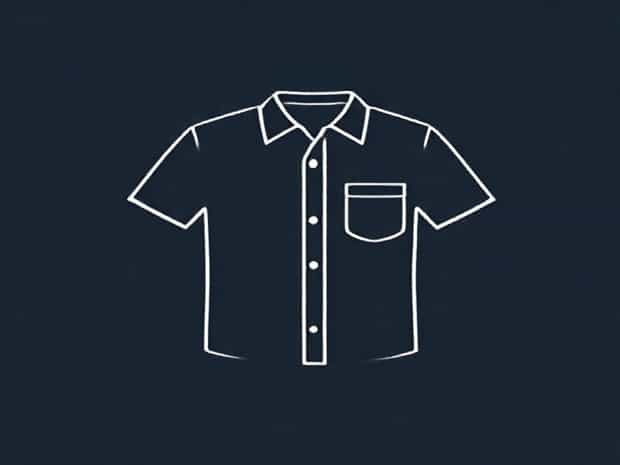
At its most basic level, a shirtfront is the front portion of a shirt. This is the part that faces outward, typically including buttons, collars, and the visible fabric covering the torso. In formal wear, the shirtfront is especially important, as it can be stiffened or designed to look polished under a suit or tuxedo. For example, in men’s evening wear, the shirtfront is often made of starched fabric or pleated material to maintain a crisp appearance. The word highlights the visible and decorative aspect of clothing rather than just its practical function.
Shirtfront in Fashion and Clothing
In the world of clothing, the shirtfront can have stylistic significance. Designers may add details such as embroidery, frills, or pleats to make the shirtfront stand out. For centuries, the shirtfront was a marker of status, as wealthier individuals could afford finely pressed or ornamented shirts that displayed elegance. Even today, the front of a shirt is often the focal point for fashion statements. Logos, patterns, and designs are usually placed on the shirtfront, making it the canvas for personal or cultural expression.
Shirtfront as a Verb in Sports
Interestingly, shirtfront is not limited to clothing. In Australian English, particularly within Australian Rules Football, the word has developed into a verb. To shirtfront someone means to physically confront them with a forceful tackle to the chest area. It describes a direct and sometimes aggressive movement, often shocking to the opponent. This sporting term highlights how language evolves when common words are applied to new situations. The verb form conveys impact, intensity, and confrontation, which is very different from its original connection to fashion.
Shirtfront in Everyday Language
Because of its sporting use, the word has also entered general conversation as a metaphor for confronting someone boldly or directly. To shirtfront a person in speech means to challenge them without hesitation, often face-to-face. This figurative meaning emphasizes courage and assertiveness. For example, someone might say they will shirtfront a problem at work, meaning they plan to deal with it head-on. The metaphor is effective because it draws on the physical imagery of a direct collision.
Historical Use of Shirtfront
The term shirtfront has been in use for centuries, mostly connected with fashion. In the 19th and early 20th centuries, men’s dress shirts often featured detachable shirtfronts. These were stiff, starched panels that could be attached to the shirt to maintain a clean appearance. Detachable shirtfronts were practical in a time when laundry was more difficult, allowing men to replace the front without changing the entire shirt. This historical background shows how the shirtfront was not only a visible part of clothing but also a symbol of social formality.
Cultural Significance of Shirtfront
The shirtfront carries different meanings across cultures. In Western formal wear, it is associated with elegance, etiquette, and ceremonial occasions. In Australia, it gained notoriety because of its sports-related usage, particularly in Australian Rules Football. Interestingly, the word became more widely recognized internationally after political leaders used it metaphorically, making shirtfront part of both cultural and political vocabulary. This blending of fashion, sports, and language demonstrates the versatility of the term.
Examples of Shirtfront in Use
To better understand the term, here are different ways it might appear
- FashionThe tuxedo featured a crisp, pleated shirtfront that stood out at the formal dinner.
- SportsThe defender shirtfronted his opponent in a fierce tackle during the game.
- MetaphoricalShe decided to shirtfront the issue with her boss rather than avoid it.
Shirtfront in Modern Fashion
In contemporary clothing, the shirtfront still plays an important role. Dress shirts for men and blouses for women often highlight the front area through design choices. Elements such as button arrangements, contrast stitching, and decorative prints are placed on the shirtfront to attract attention. Some fashion trends also play with asymmetry or layering on the shirtfront, making it a focal point of style innovation.
Shirtfront and Formal Attire
For occasions such as weddings, banquets, or black-tie events, the shirtfront is critical to overall appearance. A neatly pressed, starched, or embellished shirtfront can complete a sophisticated look. Accessories such as bow ties, suspenders, or waistcoats are also chosen to complement the shirtfront. This is why clothing guides often emphasize how the shirtfront should be prepared, ensuring no wrinkles or stains are visible during important events.
The Figurative Power of Shirtfront
The figurative use of shirtfront carries a certain power in communication. It implies not only a direct approach but also a willingness to face challenges without backing down. This makes it a popular expression in media, politics, and personal discussions. It captures the energy of confrontation in a vivid, almost physical way, making language more dynamic and memorable.
Comparisons with Similar Terms
While shirtfront has its own unique place, it can be compared to other terms that describe confrontation or clothing details. Words like chest-to-chest or face-off share the same sense of direct confrontation in sports or conversations. In clothing, the term bib front or plastron may be used to describe similar features in formal shirts. These comparisons show how language adapts to describe similar concepts across different fields.
Why Shirtfront Still Matters Today
The word shirtfront remains relevant because it bridges multiple worlds fashion, sports, and language. It illustrates how a simple clothing term can expand into cultural and metaphorical meaning. For fashion enthusiasts, it refers to style and presentation. For athletes, it conveys the energy of physical play. For speakers and writers, it offers a sharp metaphor for facing problems directly. This versatility ensures that the word continues to find a place in conversations today.
Shirtfront may begin as the literal front of a shirt, but its meaning extends far beyond fabric. It represents style and elegance in fashion, force and confrontation in sports, and boldness in everyday language. From detachable panels in history to aggressive tackles in Australian football, the shirtfront has taken on layers of meaning that reflect human creativity in language. Whether used literally or figuratively, the term highlights visibility, directness, and impact. Understanding what shirtfront means gives us a richer appreciation for both culture and communication, showing how a simple word can wear many different faces across time and context.