What Does Dilapidated Mean
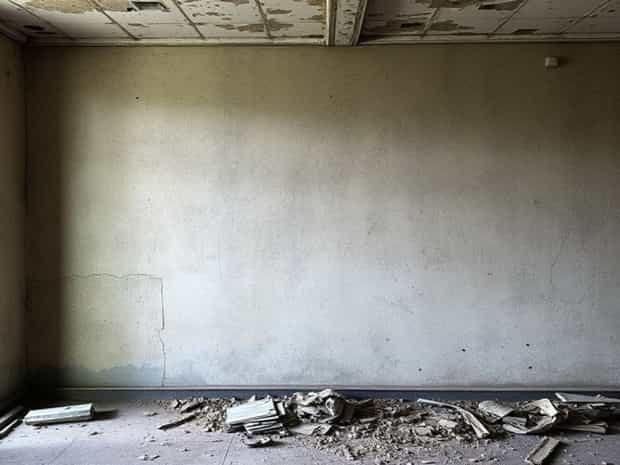
When we encounter the word dilapidated, it often paints a vivid picture of something old, broken, or falling apart. The term usually refers to buildings, structures, or objects that have been neglected for so long that they appear worn down and nearly unusable. Understanding the meaning of dilapidated is important not only for vocabulary building but also for recognizing how language can describe conditions of neglect, decay, or ruin. This word carries emotional weight, often evoking images of abandoned houses, forgotten towns, or once-beautiful places that have lost their former glory through time and lack of care.
The Definition of Dilapidated
The word dilapidated describes something in a state of disrepair or ruin, usually as a result of age, neglect, or misuse. It is most often applied to buildings, but it can also describe furniture, vehicles, or any physical object that looks worn down and badly maintained. For example, a dilapidated barn might have holes in the roof, broken windows, and leaning walls, signaling that it has not been repaired in years.
Etymology and Origin
The word comes from the Latin dilapidare, which means to scatter stones or to throw down. This origin makes sense, as the image of stones crumbling from a wall or building reflects the sense of destruction and collapse. Over time, the meaning shifted from literal stone ruin to a broader sense of decay and neglect.
Examples of Dilapidated in Sentences
To better understand how the word is used, here are some practical examples
- The travelers took shelter in a dilapidated cabin hidden in the woods.
- Many of the shops on that street were closed, their buildings looking old and dilapidated.
- She inherited a dilapidated farmhouse that needed years of repair.
- The car was so dilapidated that it could barely start, much less be driven safely.
In each of these examples, the word adds a clear visual of something that is not just old, but falling apart due to neglect or time.
The Emotional Impact of the Word
Dilapidated is more than just a description of physical condition; it often carries emotional undertones. When someone calls a house dilapidated, it can suggest sadness, loss, or wasted potential. It may also carry historical value, as old structures, even when crumbling, can remind us of the past and evoke feelings of nostalgia. For writers and speakers, this makes dilapidated a powerful word because it combines description with emotion.
Dilapidated vs. Old
It’s important to note that something old is not necessarily dilapidated. A building can be old yet well-maintained, in which case words like historic, antique, or vintage might be more suitable. Dilapidated specifically suggests neglect, damage, and a lack of repair. A 200-year-old house that is carefully preserved would not be called dilapidated, but a 50-year-old house left to rot might be.
Dilapidated in Society
We often see the word used when discussing neighborhoods, cities, or areas that have been forgotten or abandoned. For instance, news reports may describe a dilapidated factory that once provided jobs but now stands as an empty shell. Urban explorers often photograph dilapidated buildings, fascinated by the beauty in decay. In literature, authors use dilapidated settings to create atmosphere, often to highlight themes of poverty, neglect, or the passage of time.
Dilapidated in Real Estate
In real estate, a dilapidated property is often considered undesirable, but for some buyers, it represents opportunity. Renovators and investors sometimes look for dilapidated houses that can be purchased at low prices and restored. The condition of being dilapidated lowers market value, but it can also be the starting point for transformation and renewal.
Dilapidated in Historical Preservation
Many historical buildings face the risk of becoming dilapidated when they are not maintained. Preservation groups often fight to save such structures, arguing that even in their decayed state, they hold cultural and historical significance. Restoration efforts can turn a dilapidated building back into a landmark, bridging the past and present.
Synonyms and Related Words
To expand vocabulary, it’s useful to look at words similar to dilapidated
- Run-down– Often used to describe neglected houses or neighborhoods.
- Decrepit– Emphasizes weakness or fragility due to age.
- Derelict– Suggests abandonment and neglect, especially for buildings.
- Ramshackle– Conveys the idea of being loosely built and likely to fall apart.
- Tumbledown– Informal word often applied to houses in poor condition.
Each synonym has slightly different connotations, but all convey a sense of decay or disrepair.
Dilapidated in Literature and Culture
Writers often use dilapidated imagery to set the mood of a story. A dilapidated mansion can symbolize lost wealth or faded glory. A dilapidated village might reflect themes of abandonment and hardship. In films and art, dilapidated buildings are frequently shown to create dramatic or haunting visuals. The word itself helps audiences immediately picture the setting without lengthy descriptions.
Symbolism of Dilapidated Places
Beyond physical condition, dilapidated places can symbolize deeper meanings. They may represent
- The passage of time and inevitability of decay.
- Human neglect and the consequences of abandonment.
- Opportunities for renewal and transformation.
This symbolic use makes the word highly effective in creative writing, storytelling, and even journalism.
Common Misunderstandings
Because dilapidated is often associated with old buildings, some people mistakenly believe it only applies to architecture. In reality, it can describe any neglected object, such as vehicles, furniture, or even infrastructure like bridges and roads. Another misunderstanding is confusing it with simply being old; again, age alone does not make something dilapidated it is the combination of age and neglect that defines it.
Modern Usage Trends
Today, the word continues to be widely used, especially in media and literature. topics about housing, infrastructure, or urban decay frequently describe properties as dilapidated. Environmental discussions may also use the word when referring to neglected areas, abandoned factories, or broken-down facilities.
Why Learning Dilapidated Matters
Expanding one’s vocabulary with words like dilapidated improves communication and makes descriptions more vivid. Instead of simply saying old house, describing it as a dilapidated house immediately paints a stronger picture. For students, writers, and professionals, using such words enhances clarity and creativity in both spoken and written language.
The meaning of dilapidated goes beyond describing something as old or broken. It carries with it an image of neglect, decay, and disrepair, often tied to emotional undertones of sadness or nostalgia. From real estate to literature, from urban exploration to historical preservation, dilapidated remains a powerful word that captures the intersection of time, neglect, and human responsibility. By understanding its definition, origins, examples, and symbolism, we gain not only a clearer grasp of the English language but also a deeper appreciation of how words can reflect both the physical and emotional states of the world around us.