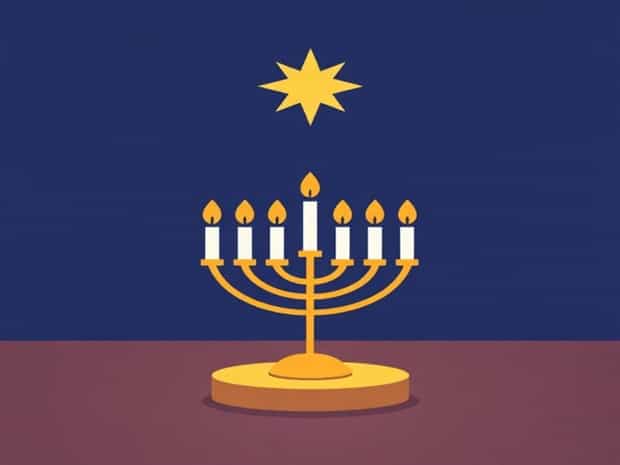
First Night Of Hanukkah
The first night of Hanukkah is a moment of joy, reflection, and celebration that marks the beginning of the eight-day Jewish festival of lights. This evening holds deep cultural and spiritual significance, as families and communities come together to commemorate the rededication of the Second Temple in Jerusalem and the miracle of the menorah oil that lasted eight days. The start of Hanukkah is not only a time for religious observance but also a chance to celebrate family, heritage, and tradition through meaningful rituals, festive meals, and the sharing of stories. The first night sets the tone for the entire festival, bringing warmth, light, and a sense of unity to homes and communities.
Historical Significance of the First Night
The first night of Hanukkah is rooted in historical events that date back to the second century BCE. The festival commemorates the victory of the Maccabees over the Seleucid Empire and the rededication of the Holy Temple in Jerusalem. According to tradition, when the Temple was purified, there was only enough consecrated oil to light the menorah for one day. Miraculously, the oil lasted for eight days, allowing time for new consecrated oil to be prepared. This event is central to the celebration of Hanukkah, and the lighting of the menorah on the first night serves as a symbolic remembrance of this miracle and the resilience of the Jewish people.
Lighting the Menorah
The most iconic ritual of the first night of Hanukkah is the lighting of the menorah. A menorah is a special nine-branched candelabrum, with one candle for each night of Hanukkah and a central shamash candle used to light the others. On the first night, the shamash is lit first, followed by the lighting of the first candle. Families recite blessings and prayers that express gratitude for the miracles of the past and the enduring spirit of the Jewish people. Placing the menorah in a prominent location, often near a window, allows the light to shine outward, symbolizing the spreading of hope, faith, and joy.
Family Traditions and Celebrations
The first night of Hanukkah is often a time for family gatherings and communal celebrations. Families may come together to share a festive meal, exchange gifts, and participate in traditional activities. The evening often includes storytelling, songs, and games, creating a warm and joyful atmosphere that strengthens family bonds. Special attention is given to involving children, as they are encouraged to learn about the historical and spiritual significance of the holiday through interactive activities, games, and crafts. This engagement ensures that the values and traditions of Hanukkah are passed down through generations.
Traditional Foods
Food plays an important role in Hanukkah celebrations, particularly on the first night. Many traditional dishes are fried in oil, symbolizing the miracle of the oil in the Temple. Popular foods include latkes, which are potato pancakes often served with applesauce or sour cream, and sufganiyot, which are jelly-filled donuts. Other regional and family-specific recipes may also be enjoyed, creating a diverse and festive culinary experience. Sharing these foods with family and friends enhances the celebratory atmosphere and allows participants to connect with Jewish culinary traditions.
Prayers and Blessings
Reciting prayers and blessings is a central part of the first night of Hanukkah. Three blessings are typically recited during the lighting of the menorah on the first night. The first blessing praises God for sanctifying the Jewish people and commanding the lighting of the candles. The second blessing thanks God for the miracles performed for the ancestors. The third blessing, specific to the first night, sanctifies the festival of Hanukkah. These prayers provide spiritual context for the rituals and help participants focus on gratitude, reflection, and the continuity of tradition.
Music and Song
Singing is another cherished tradition on the first night of Hanukkah. Classic songs such as Maoz Tzur” (Rock of Ages) and other contemporary Hanukkah tunes are often performed by families and communities. Music adds a festive and celebratory element to the evening, enhancing the communal experience. Children and adults alike join in the singing, creating a sense of joy, unity, and shared cultural identity. Incorporating music into the first night’s activities helps set a lively and positive tone for the rest of the festival.
Games and Activities
Games and interactive activities are commonly associated with the first night of Hanukkah, adding an element of fun and engagement, especially for children. The dreidel game is particularly popular, involving a spinning top marked with Hebrew letters. Players spin the dreidel and follow instructions based on the letter that lands facing up, often winning chocolate coins, nuts, or other small treats. Arts and crafts, such as creating menorahs, decorating Hanukkah cards, or making festive decorations, are also common activities that enrich the celebration and encourage creative expression.
Community Celebrations
In addition to family observances, many communities hold public events to celebrate the first night of Hanukkah. Synagogues, community centers, and local organizations may host menorah lighting ceremonies, cultural performances, and communal meals. These events provide an opportunity for broader participation, connecting individuals and families with the wider Jewish community. Public celebrations also serve as a way to educate others about the history, traditions, and values of Hanukkah, fostering understanding and appreciation across communities.
Lighting the Menorah Throughout the Eight Nights
While the first night of Hanukkah is particularly special, it also begins the tradition of lighting the menorah for eight consecutive nights. Each night, an additional candle is lit, gradually filling the menorah with light. This progression symbolizes growth, hope, and the enduring presence of faith. Families and communities often take photographs, share moments on social media, or maintain journals documenting each night, preserving memories and reinforcing the significance of the festival. The first night sets the precedent for these subsequent celebrations, establishing rhythm and anticipation for the remaining nights.
Reflection and Gratitude
The first night of Hanukkah is not only about celebration but also about reflection and gratitude. It provides a moment to consider the blessings of family, health, freedom, and spiritual continuity. Participants are encouraged to reflect on personal growth, historical lessons, and the importance of maintaining cultural identity. These reflective practices contribute to the deeper meaning of the holiday, allowing the first night to serve as a foundation for both joyous celebration and thoughtful contemplation throughout the eight days.
The first night of Hanukkah is a meaningful and joyous occasion that combines history, tradition, family, and community. From lighting the menorah and reciting blessings to sharing festive meals and playing traditional games, this evening encapsulates the essence of the Festival of Lights. By engaging in rituals, music, and educational activities, participants honor the miracle of the oil, celebrate cultural heritage, and strengthen family bonds. The first night sets the tone for the remaining seven nights, inspiring reflection, gratitude, and unity. Through these practices, the spirit of Hanukkah shines brightly, illuminating homes and communities with light, joy, and a sense of enduring tradition.