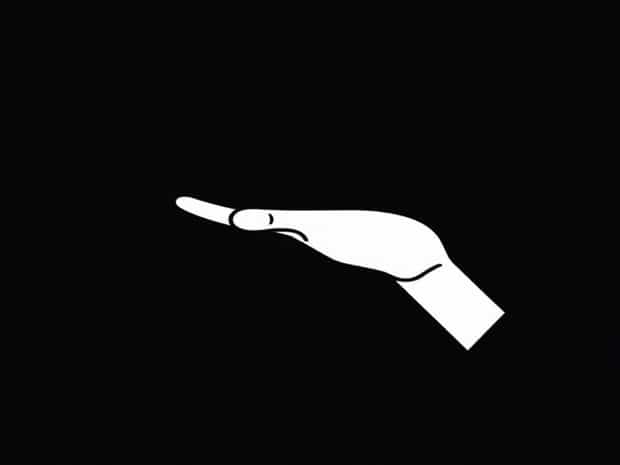
Extends Hand And Extends Phalanges
The movements of extending the hand and extending the phalanges are fundamental actions in human anatomy, playing a crucial role in daily activities, fine motor skills, and functional hand mechanics. These motions involve a complex interplay of muscles, tendons, ligaments, and joints, allowing the hand to perform tasks ranging from lifting objects to typing and gesturing. Understanding the mechanisms behind hand extension and phalangeal extension is essential for students of anatomy, physical therapists, occupational therapists, and anyone interested in hand function and rehabilitation, as injuries or dysfunctions can significantly impact quality of life and dexterity.
Anatomy of the Hand
The human hand is a highly specialized structure, composed of bones, muscles, tendons, ligaments, and nerves that work together to provide both strength and precision. It consists of 27 bones the carpals (wrist bones), metacarpals (palm bones), and phalanges (finger bones). Each finger has three phalanges – proximal, middle, and distal – except the thumb, which has two. The joints connecting these bones, including the metacarpophalangeal (MCP) and interphalangeal (IP) joints, allow for a wide range of movements, including flexion, extension, abduction, adduction, and circumduction.
Muscles Involved in Hand Extension
Extending the hand at the wrist and fingers involves specific extensor muscles located primarily in the posterior compartment of the forearm. Key muscles include
- Extensor carpi radialis longus and brevis – Responsible for extending and abducting the wrist.
- Extensor carpi ulnaris – Extends and adducts the wrist.
- Extensor digitorum – Extends the phalanges of the fingers and assists in wrist extension.
- Extensor indicis – Specifically extends the index finger.
- Extensor digiti minimi – Specifically extends the little finger.
Extensor Mechanism
The extensor tendons run along the dorsal surface of the hand and insert into the phalanges, forming an intricate extensor hood or dorsal expansion. This structure allows coordinated extension of the metacarpophalangeal and interphalangeal joints. The extensor mechanism ensures that when the extensor muscles contract, the fingers straighten efficiently and simultaneously, allowing precise hand movements.
Extending the Hand
Extending the hand primarily refers to moving the wrist backward, away from the palm, or straightening the wrist from a flexed position. This motion is essential for tasks like pushing, lifting, or stabilizing objects. Wrist extension is controlled by the coordinated action of the extensor carpi radialis longus, extensor carpi radialis brevis, and extensor carpi ulnaris, which work together to produce smooth and controlled movement. Proper wrist extension also maintains alignment and prevents overstrain on the flexor muscles of the forearm.
Functional Importance
Wrist extension is necessary for performing everyday activities such as typing, lifting a cup, or holding a pen. In sports and manual labor, strong and controlled wrist extension contributes to powerful and precise hand function. Additionally, wrist extension facilitates grip strength by allowing optimal positioning of the fingers during flexion for holding objects.
Extending the Phalanges
Extending the phalanges refers to straightening the fingers by extending the metacarpophalangeal (MCP) and interphalangeal (IP) joints. This action is primarily performed by the extensor digitorum, assisted by the extensor indicis and extensor digiti minimi for specific fingers. The extensor mechanism, including the extensor hood and lateral bands, allows coordinated extension of both the proximal and distal phalanges.
Coordination of Finger Extension
Finger extension is a finely tuned process that involves both intrinsic and extrinsic muscles. Extrinsic muscles, located in the forearm, provide the primary force for extension, while intrinsic muscles of the hand, such as the lumbricals and interossei, assist by stabilizing the joints and controlling the alignment of the phalanges. This coordination allows precise movements, such as pointing, typing, or playing musical instruments.
Functional Importance
Extending the phalanges is essential for releasing objects from the hand, opening the fingers for handshakes, and performing tasks requiring fine motor skills. Dysfunction in finger extension, whether due to nerve injury, tendon rupture, or muscular weakness, can severely impair hand function, limiting independence in daily activities and reducing overall dexterity.
Differences Between Hand Extension and Phalangeal Extension
While hand extension and phalangeal extension are related movements, they involve different joints and muscles. Hand extension primarily refers to wrist movement, while phalangeal extension focuses on finger joints. The coordination between these movements allows the hand to achieve functional positions necessary for grasping, manipulating, and releasing objects.
Muscular Differences
- Hand Extension Primarily controlled by extensor carpi radialis longus, extensor carpi radialis brevis, and extensor carpi ulnaris.
- Phalangeal Extension Primarily controlled by extensor digitorum, extensor indicis, and extensor digiti minimi, assisted by intrinsic hand muscles.
Joint Involvement
- Hand Extension Involves the radiocarpal and midcarpal joints.
- Phalangeal Extension Involves metacarpophalangeal (MCP) and interphalangeal (PIP and DIP) joints.
Clinical Significance
Understanding the mechanics of hand and phalangeal extension is crucial in diagnosing and treating hand injuries, neurological disorders, and musculoskeletal conditions. Injuries to extensor tendons, nerve damage such as radial nerve injury, or conditions like rheumatoid arthritis can impair these movements. Proper rehabilitation, splinting, and exercise are necessary to restore function and prevent long-term disability.
Common Conditions Affecting Extension
- Extensor Tendon Injuries – Lacerations or ruptures that prevent finger straightening.
- Radial Nerve Palsy – Weakness or paralysis affecting wrist and finger extension.
- Arthritis – Joint inflammation limiting extension and overall hand mobility.
Rehabilitation and Therapy
Physical and occupational therapy play key roles in restoring hand and phalangeal extension. Exercises focusing on stretching, strengthening, and coordination help patients regain range of motion and functional use. Splints and orthoses may also be used to support proper alignment and prevent contractures during recovery.
Extending the hand and extending the phalanges are vital movements that involve complex anatomical structures and coordinated muscle activity. Hand extension primarily involves wrist movement controlled by forearm extensor muscles, while phalangeal extension involves finger joints facilitated by both extrinsic and intrinsic muscles. These movements are essential for everyday tasks, fine motor activities, and overall hand functionality. Understanding their anatomy, biomechanics, and clinical relevance is crucial for medical professionals, therapists, and individuals seeking to maintain or restore optimal hand function. Proper care, injury prevention, and rehabilitation can ensure these movements remain efficient, allowing for a wide range of activities requiring strength, precision, and dexterity.