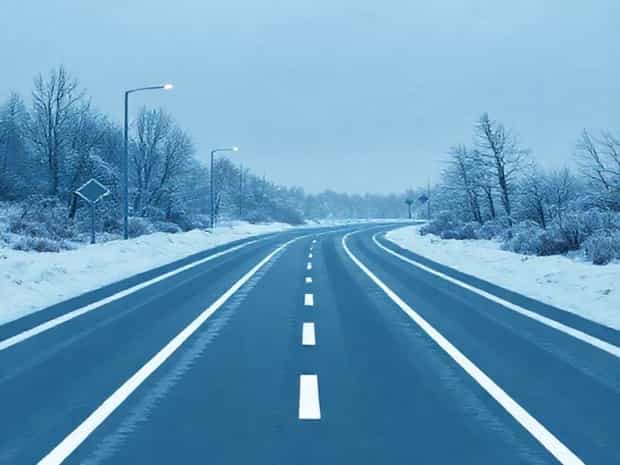
The Roads Are Icy
The roads are icy, and this condition presents serious challenges for drivers, pedestrians, and city planners alike. Icy roads can occur during winter months or sudden cold snaps, especially when precipitation such as rain, snow, or sleet freezes on road surfaces. Navigating icy roads requires careful attention, proper vehicle preparation, and awareness of safety protocols to prevent accidents. Understanding the causes, risks, and preventive measures associated with icy roads is essential for maintaining safety, reducing traffic incidents, and ensuring efficient transportation during winter weather conditions.
Causes of Icy Roads
Icy roads are primarily caused by freezing temperatures combined with precipitation. When rain, sleet, or melting snow falls on a road surface and temperatures drop below 32°F (0°C), water can freeze almost instantly, creating a thin layer of ice known as black ice. This invisible ice is particularly hazardous because drivers may not recognize it until it is too late. Other contributing factors include shaded areas, bridges, and overpasses that freeze faster than other parts of the road, and poor drainage that allows water to accumulate and freeze. Awareness of these causes helps drivers anticipate icy patches and plan routes more safely.
Environmental Factors
- Low temperatures below freezing
- Precipitation such as rain, snow, or sleet
- Shaded areas and bridges that freeze faster
- Poor road drainage causing water accumulation
- Wind chill contributing to faster freezing
Risks Associated with Icy Roads
The risks posed by icy roads are significant and affect drivers, pedestrians, and emergency services. Vehicles traveling on ice are prone to sliding, skidding, or losing control, which increases the likelihood of collisions. Pedestrians may slip and fall, resulting in injuries. Emergency response times can also be delayed due to hazardous conditions. Icy roads not only endanger lives but also create economic costs through property damage, medical expenses, and traffic delays. Recognizing these risks emphasizes the importance of caution and preparedness during icy conditions.
Potential Hazards
- Vehicle skidding and accidents
- Pedestrian slips and falls
- Delayed emergency response times
- Property damage due to collisions
- Traffic congestion and road closures
Vehicle Preparation for Icy Roads
Proper vehicle preparation is essential when navigating icy roads. Winter tires or all-season tires with good tread provide better traction on ice. Anti-freeze fluids, functional brakes, and working windshield wipers enhance safety. Drivers should also carry emergency kits including blankets, food, and a shovel in case they become stranded. Ensuring vehicles are equipped for winter conditions can significantly reduce the risks associated with icy roads and improve overall control while driving.
Essential Vehicle Preparations
- Install winter or all-season tires with sufficient tread
- Check brake functionality and anti-lock braking systems
- Use appropriate anti-freeze and windshield fluids
- Maintain working headlights and taillights
- Keep an emergency kit with blankets, food, and a shovel
Driving Techniques on Icy Roads
Driving on icy roads requires careful techniques to maintain control and avoid accidents. Drivers should reduce speed significantly and increase following distances to allow for longer stopping distances. Smooth steering, braking, and acceleration prevent wheel spin and sliding. Avoid sudden movements and sharp turns, and use lower gears when descending hills to maintain traction. Being vigilant and anticipating potential icy patches can make driving on icy roads safer and more predictable.
Safe Driving Practices
- Reduce speed and drive cautiously
- Increase following distance to allow extra stopping space
- Brake and accelerate gently to prevent skidding
- Avoid sudden steering or sharp turns
- Use lower gears on inclines and declines
Pedestrian Safety on Icy Roads
Pedestrians are also at risk when the roads are icy. Slipping on ice can result in fractures, sprains, or head injuries. Wearing footwear with good traction, walking slowly, and using handrails or walking sticks can reduce the likelihood of falls. Crossing streets carefully and being visible to drivers in low-light conditions is essential. Pedestrian awareness and proper precautions help minimize injuries and ensure safe mobility during icy conditions.
Tips for Pedestrian Safety
- Wear footwear with good grip and traction
- Walk slowly and take smaller steps on icy surfaces
- Use handrails, walking sticks, or support when available
- Be visible to drivers during early morning or evening hours
- Avoid shortcuts across unmaintained or untreated roads
City and Road Management
Municipalities play a critical role in managing icy roads to ensure public safety. Road treatment with salt, sand, or chemical de-icers helps prevent ice formation and improves traction. Snowplows clear roads during winter storms to maintain accessibility. Public advisories and alerts inform residents about hazardous conditions and recommended travel restrictions. Effective city management, combined with informed citizens, reduces accidents and ensures smoother traffic flow during icy conditions.
Municipal Measures
- Road treatment with salt, sand, or chemical de-icers
- Snowplow deployment during and after storms
- Weather advisories and road closure alerts
- Coordination with emergency services for accidents
- Public education on icy road safety
Weather Monitoring and Forecasting
Weather monitoring and accurate forecasting are essential for predicting icy road conditions. Meteorologists provide updates on temperature drops, precipitation, and potential freezing conditions. Early warnings allow drivers to adjust travel plans and municipalities to deploy resources effectively. Using weather apps, news updates, and local advisories helps individuals plan trips safely and minimize exposure to hazardous icy conditions. Timely information is key to proactive safety measures.
Forecasting Tools and Tips
- Monitor local weather reports for freezing temperatures
- Check precipitation forecasts for potential ice formation
- Use apps and alerts for real-time updates
- Plan travel around predicted icy periods
- Coordinate with local road and emergency services advisories
The roads are icy, and this condition requires heightened caution, preparation, and awareness from both drivers and pedestrians. Understanding the causes, risks, and best practices for navigating icy roads reduces accidents and enhances safety. Proper vehicle preparation, cautious driving techniques, pedestrian precautions, and effective municipal management all contribute to mitigating the dangers of icy conditions. Staying informed through weather forecasts and updates ensures residents and visitors can safely navigate and adapt to winter road hazards, maintaining mobility and minimizing risks during icy periods.