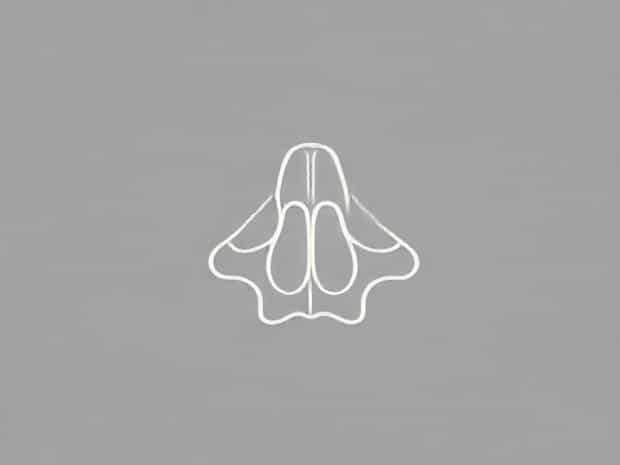
Ethmoid Bone Olfactory Foramina
The ethmoid bone olfactory foramina are small but vital anatomical structures located within the human skull. These tiny openings play a crucial role in the sense of smell by allowing the passage of olfactory nerve fibers from the nasal cavity to the brain. Despite their small size, their function is essential for transmitting sensory information that enables humans to detect and distinguish a wide range of odors. Understanding the ethmoid bone and its olfactory foramina is important not only for students of anatomy but also for medical professionals involved in neurology, otolaryngology, and cranial surgery.
Overview of the Ethmoid Bone
The ethmoid bone is a delicate, spongy bone situated between the eyes, forming part of the nasal cavity and the anterior cranial fossa. It contributes to the medial walls of the orbits, the roof of the nasal cavity, and the nasal septum. The bone consists of several important structures, including the cribriform plate, perpendicular plate, and ethmoidal labyrinths. Its strategic location and intricate design make it integral to both the structural integrity of the skull and the proper functioning of the olfactory system.
Structure of the Ethmoid Bone
- Cribriform plateA horizontal plate that contains multiple small openings known as olfactory foramina.
- Perpendicular plateForms part of the nasal septum.
- Ethmoidal labyrinthsContain air cells that contribute to the paranasal sinuses.
- Crista galliA vertical projection that serves as an attachment point for the falx cerebri.
Olfactory Foramina and Their Function
The olfactory foramina are tiny perforations located in the cribriform plate of the ethmoid bone. They allow the olfactory nerve fibers, which originate from the olfactory epithelium in the nasal cavity, to pass through the bone and reach the olfactory bulbs in the brain. These nerve fibers carry sensory signals that are interpreted as smell, making the olfactory foramina essential for the sense of olfaction. Damage or blockage of these foramina can lead to anosmia, a loss of the ability to perceive odors.
Importance in the Olfactory System
- Transmit olfactory nerve fibers to the brain for processing smell signals.
- Provide a protective pathway through the cribriform plate, minimizing nerve damage.
- Enable humans to detect a wide variety of scents, influencing taste, memory, and emotion.
- Support the overall function of the olfactory bulbs and the limbic system.
Anatomical Location and Relationships
The olfactory foramina are located within the cribriform plate, which forms part of the ethmoid bone. The cribriform plate is positioned horizontally at the roof of the nasal cavity and separates it from the anterior cranial fossa above. On either side of the crista galli, numerous small foramina allow the passage of the olfactory nerve fibers. The ethmoid bone itself articulates with several other cranial bones, including the frontal, sphenoid, maxilla, and nasal bones, providing a stable framework for the foramina and the delicate nerves they protect.
Neighboring Structures
- Frontal bone Articulates superiorly, forming part of the skull roof.
- Sphenoid bone Articulates posteriorly, contributing to the cranial base.
- Nasal bones and septum Provide structural support to the nasal cavity around the foramina.
- Orbit Medial walls are formed by the ethmoid labyrinths adjacent to the cribriform plate.
Clinical Significance
The ethmoid bone olfactory foramina are clinically important for several reasons. They are a potential site of injury during trauma to the face or skull, particularly in cases of basal skull fractures. Such injuries can damage the olfactory nerve fibers, leading to partial or complete loss of smell. In addition, these foramina are considered during surgical procedures involving the anterior cranial fossa or the nasal cavity to prevent inadvertent nerve damage. Understanding their precise location is also crucial for diagnosing olfactory dysfunction and planning interventions for sinus or cranial conditions.
Common Conditions Affecting the Olfactory Foramina
- Skull fractures affecting the cribriform plate.
- Olfactory nerve damage leading to anosmia or hyposmia.
- Inflammation or infection in the nasal cavity impacting nerve transmission.
- Congenital malformations affecting the size or number of foramina.
Development and Variations
The ethmoid bone, including its olfactory foramina, develops from multiple ossification centers during fetal growth. Variations in the size, shape, and number of foramina are common and generally do not affect olfactory function unless extreme. These variations are important to consider in clinical imaging and surgical planning to ensure the safe navigation of the cribriform plate and preservation of the olfactory nerve fibers.
Implications for Anatomy Studies
- Helps in understanding human cranial development and anatomical variations.
- Assists in teaching neuroanatomy and sensory pathways.
- Supports research in olfactory disorders and reconstructive surgery.
- Provides insight into evolutionary adaptations in the cranial structure.
The ethmoid bone olfactory foramina are small but essential structures that play a critical role in human olfaction. Located within the cribriform plate, these tiny openings allow olfactory nerve fibers to pass from the nasal cavity to the brain, enabling the perception of smell. Their anatomical relationships, clinical significance, and variations are important considerations for both healthcare professionals and students of anatomy. Maintaining awareness of these foramina and their function is crucial for understanding the sense of smell, diagnosing olfactory disorders, and performing safe cranial or nasal procedures. Overall, the ethmoid bone olfactory foramina exemplify how even the smallest anatomical features can have a profound impact on human sensory experience and health.