Definition Of Vesicle In Biology
In the realm of biology, understanding cellular structures is essential for grasping how life functions at a microscopic level. One fundamental component of cells is the vesicle, a small, membrane-bound structure that plays a crucial role in transporting molecules, storing substances, and facilitating communication between different parts of the cell. Vesicles are found in virtually all eukaryotic cells and are integral to numerous biological processes, from nutrient transport to signal transmission. Their versatility and importance make vesicles a key focus in cell biology, molecular biology, and medical research.
What is a Vesicle?
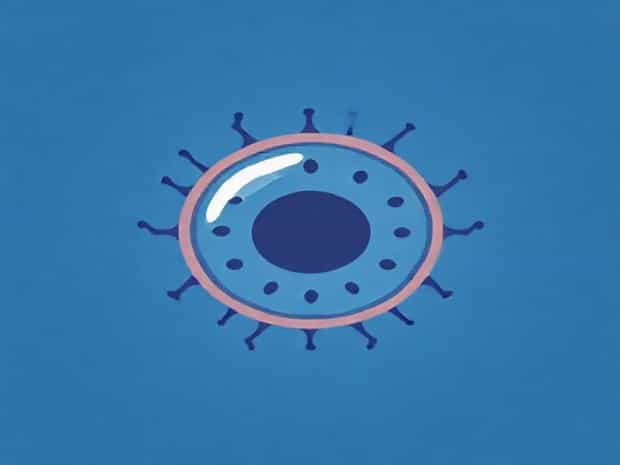
A vesicle is a small, enclosed sac made of lipid bilayers, similar in composition to the cell membrane. These sacs serve as containers that transport and store molecules within the cell or between cells. Vesicles can range in size, typically from 50 to 200 nanometers in diameter, though some specialized vesicles may be larger. Their membrane not only protects their contents but also allows them to fuse with other membranes, release their cargo, or absorb substances as needed. Essentially, vesicles act as dynamic vehicles, ensuring proper cellular organization and efficient molecular trafficking.
Types of Vesicles
Vesicles are highly diverse and can be classified based on their function, origin, or cargo. Some of the major types include
- Transport VesiclesThese vesicles shuttle proteins, lipids, and other molecules between organelles, such as from the endoplasmic reticulum to the Golgi apparatus, or from the Golgi to the cell membrane.
- Secretory VesiclesFound in cells that release substances, such as hormones or neurotransmitters, these vesicles merge with the plasma membrane to release their contents into the extracellular space.
- Endocytic VesiclesFormed when the cell engulfs external materials, these vesicles allow cells to internalize nutrients, pathogens, or signaling molecules through processes like endocytosis.
- LysosomesSpecialized vesicles containing digestive enzymes that break down waste materials, cellular debris, and foreign invaders.
- ExosomesTiny vesicles released from cells that facilitate intercellular communication and can transport proteins, RNA, and other signaling molecules to other cells.
Functions of Vesicles
Vesicles serve multiple critical functions that are essential for the survival and proper functioning of cells
- Molecular TransportVesicles carry proteins, lipids, and other molecules to specific destinations within the cell, maintaining cellular organization.
- SecretionSecretory vesicles allow cells to release hormones, neurotransmitters, enzymes, and other substances into the extracellular environment.
- Endocytosis and UptakeEndocytic vesicles enable cells to absorb nutrients, fluids, and signaling molecules from their surroundings.
- Waste DisposalLysosomal vesicles digest unwanted cellular material, preventing accumulation of debris and maintaining cell health.
- CommunicationExosomes and other vesicles play a role in intercellular signaling, enabling cells to share information and coordinate activities.
Vesicle Formation
Vesicle formation is a highly regulated process that depends on the interaction of proteins, lipids, and cellular machinery. There are two primary mechanisms for vesicle formation
- BuddingVesicles form by budding off from an existing membrane, such as the Golgi apparatus or the plasma membrane. Specific coat proteins, like clathrin, help shape the membrane and select cargo.
- EndocytosisIn this process, the plasma membrane folds inward to capture extracellular substances, forming a vesicle that pinches off into the cytoplasm.
Once formed, vesicles are guided by cytoskeletal elements, such as microtubules and actin filaments, to their destination. Motor proteins like kinesin and dynein help transport vesicles efficiently within the cell.
Vesicle Fusion and Release
After reaching their target, vesicles can fuse with membranes to deliver their cargo. This process, known as exocytosis, is critical for secretion and cell communication. Vesicles also play a role in membrane recycling, helping maintain the integrity of the plasma membrane and internal organelles. Fusion is regulated by specialized proteins called SNAREs, which ensure that vesicles merge with the correct target membrane, preventing unintended release of contents.
Vesicles in Health and Disease
Vesicles are not only essential for normal cellular function but also play a role in disease mechanisms. For example
- Neurodegenerative DiseasesDysfunction in vesicle transport can contribute to diseases like Alzheimer’s and Parkinson’s by impairing neurotransmitter release and protein trafficking.
- CancerTumor cells often release exosomes that facilitate metastasis and immune evasion.
- InfectionsSome pathogens exploit vesicles to enter cells or evade immune responses, as seen in viruses like HIV and influenza.
Studying vesicles helps scientists develop targeted therapies, understand disease progression, and create novel diagnostic tools.
In summary, a vesicle in biology is a small, membrane-bound sac that is vital for the transport, storage, and communication functions within cells. These versatile structures are involved in essential processes, including secretion, endocytosis, molecular transport, and intercellular signaling. Different types of vesicles, such as transport vesicles, secretory vesicles, lysosomes, and exosomes, perform specialized functions that maintain cellular health and support complex biological activities. Understanding vesicles provides insights into cell biology, physiology, and the mechanisms of various diseases, highlighting their significance in both research and practical applications. The study of vesicles continues to advance our knowledge of life at the cellular level, revealing the intricate and dynamic nature of cellular organization and communication.