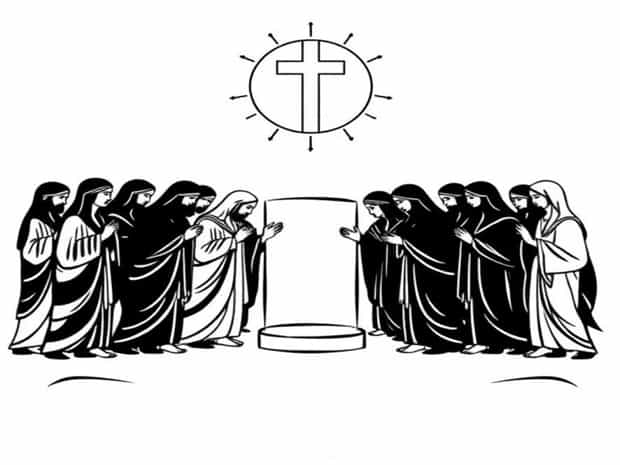
Movement For The Restoration Of The Ten Commandments Of God
The Movement for the Restoration of the Ten Commandments of God was a religious sect in Uganda that gained international attention due to its tragic and shocking history. Emerging in the late 20th century, the movement was founded on a strict interpretation of Christian teachings, particularly emphasizing the observance of the Ten Commandments. Its leaders claimed to possess divine insight and positioned themselves as guides for true spiritual living. Over time, the group grew in influence and numbers, attracting followers who sought salvation, moral discipline, and spiritual certainty in a period marked by social and political instability in Uganda. However, what began as a movement rooted in faith ultimately became associated with controversy, manipulation, and a catastrophic ending.
Origins of the Movement
The Movement for the Restoration of the Ten Commandments of God was established by a group of religious leaders who split from the Roman Catholic Church. These founders, including prominent figures like Joseph Kibweteere, argued that the moral and spiritual decay of society required a return to strict adherence to God’s commandments. The movement gained followers among those who were dissatisfied with mainstream religious practices or who sought more rigorous spiritual guidance. The leaders emphasized repentance, prayer, and discipline, presenting themselves as instruments of divine will with the authority to lead people toward salvation.
Beliefs and Practices
The movement’s teachings focused heavily on the Ten Commandments as a framework for moral living. Members were expected to renounce worldly possessions, avoid sin, and follow the guidance of the leaders without question. Rituals, fasting, and communal living were central aspects of daily life, reinforcing the collective identity and commitment to the movement’s principles. Prophecies and visions were often cited by the leadership to justify strict rules, urging followers to prepare for imminent divine judgment. The emphasis on obedience and spiritual purity created a highly controlled and insular community.
Growth and Influence
During its peak, the Movement for the Restoration of the Ten Commandments of God attracted thousands of followers. Many were motivated by a desire for spiritual certainty, moral guidance, and a sense of community. The group established compounds and meeting places where followers could live in accordance with the movement’s strict rules. Leaders frequently conducted religious ceremonies, preached apocalyptic messages, and reinforced the notion that salvation was contingent upon unwavering adherence to their interpretation of the Ten Commandments. This combination of spiritual authority and fear of divine punishment proved effective in consolidating loyalty among members.
Control and Manipulation
Over time, the leadership of the movement exerted increasing control over members’ lives, often dictating personal choices, restricting outside contact, and promoting isolation. Followers were required to hand over assets and submit to the leaders’ decisions, creating a dependency that made dissent difficult. Psychological manipulation, including claims of divine insight and predictions of apocalypse, was used to maintain obedience. The movement’s insular structure limited exposure to external information, reinforcing the power of the leadership and deepening the group’s commitment to its rigid doctrines.
The Tragic End
The movement gained international notoriety in March 2000 when reports emerged of a mass death at one of its compounds in Kanungu, Uganda. Over 700 people, including men, women, and children, perished in a series of events that involved fire and other forms of violence. Investigations suggested that members had been convinced that death was a path to salvation or that they were misled by the leaders. The tragedy shocked the global community and highlighted the extreme dangers of cultic manipulation and blind obedience. Survivors and authorities revealed that the leaders had orchestrated the events, using religious fervor to control and ultimately end the lives of their followers.
Lessons and Reflections
The Movement for the Restoration of the Ten Commandments of God serves as a cautionary tale about the potential perils of religious extremism, charismatic leadership, and uncritical devotion. It demonstrates how faith, when exploited, can be used to manipulate and harm individuals, particularly in environments where social and economic vulnerabilities exist. The tragedy underscores the importance of critical thinking, community oversight, and awareness of the psychological mechanisms that allow cults or extreme movements to flourish. Scholars, religious leaders, and policymakers continue to study the movement to understand the dynamics that led to such catastrophic outcomes and to prevent similar incidents in the future.
Impact on Ugandan Society
The aftermath of the mass deaths had a profound impact on Ugandan society, prompting governmental and community responses aimed at addressing religious extremism and protecting vulnerable populations. Legal investigations were launched to identify and prosecute leaders involved in orchestrating the tragedy. Additionally, the event sparked public discourse on religious freedom, the limits of charismatic authority, and the responsibility of communities to safeguard individuals from manipulative practices. Survivors and affected families have continued to cope with the emotional and social consequences, and the movement remains a somber chapter in Uganda’s recent history.
Understanding Cult Dynamics
The movement exemplifies common dynamics observed in cult-like organizations, including centralized leadership, strict behavioral control, apocalyptic teachings, and the use of fear to enforce obedience. Followers are often drawn by promises of salvation, moral clarity, or social belonging. Once inside, the combination of isolation, psychological pressure, and absolute authority makes resistance difficult. The case of the Movement for the Restoration of the Ten Commandments of God illustrates how religious or ideological devotion can be manipulated to serve the interests of leaders rather than the welfare of followers.
The Movement for the Restoration of the Ten Commandments of God represents a complex interplay of faith, manipulation, and tragedy. Initially formed as a religious initiative focused on strict moral observance, it evolved into a highly controlled and ultimately lethal organization. The events surrounding the movement serve as a powerful reminder of the importance of vigilance, education, and critical reflection in matters of belief and authority. While the movement’s teachings emphasized devotion to the Ten Commandments, the catastrophic outcome reveals the potential consequences when leadership exploits faith for control and personal gain. Understanding this history is crucial for preventing similar tragedies and for fostering a society where spiritual devotion is balanced with reason, safety, and ethical accountability.