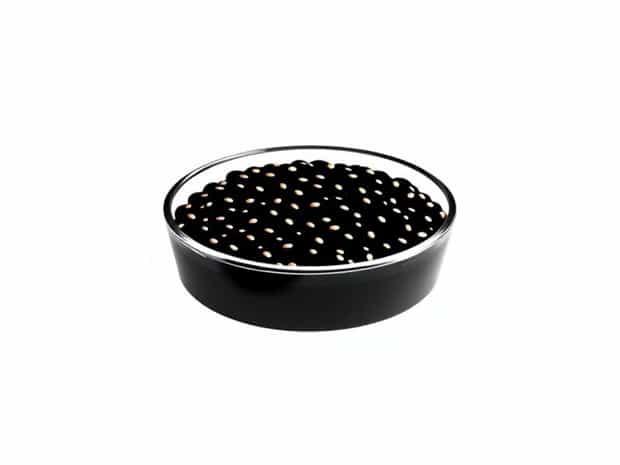
Most Expensive Caviar In The World
Caviar has long been synonymous with luxury, elegance, and indulgence, often reserved for the tables of royalty, celebrities, and discerning gourmets. Known for its delicate texture, briny flavor, and tiny pearls of perfection, caviar is a culinary treasure that demands appreciation. Among the various types of caviar available around the world, certain varieties have earned a reputation for being extraordinarily rare and expensive. These exceptional caviars are prized not only for their taste but also for the painstaking processes involved in harvesting and producing them. The allure of the most expensive caviar in the world lies in its exclusivity, meticulous production methods, and its status as a symbol of refined luxury.
The Origins of Premium Caviar
Caviar refers to the salted roe of sturgeon, a species of fish that has been harvested for its eggs for centuries. While sturgeon are native to the Caspian and Black Sea regions, caviar production has expanded globally. True luxury caviar often comes from wild or farmed sturgeon species that mature slowly, producing larger, more flavorful eggs. The rarity of these fish and the time required to produce high-quality roe contribute significantly to the cost. For instance, some sturgeon take over a decade to reach reproductive maturity, meaning that producers must invest years before harvesting their first caviar.
Factors Contributing to the High Cost
Several factors contribute to the steep price of the world’s most expensive caviar
- RarityCertain sturgeon species are endangered or difficult to cultivate, making their roe highly exclusive.
- Time-Intensive ProductionHigh-quality caviar requires years of careful fish rearing, feeding, and monitoring to ensure optimal flavor and texture.
- Labor-Intensive HarvestingThe roe must be carefully extracted, cleaned, and salted to maintain its integrity without damaging the delicate eggs.
- Flavor ProfileSuperior caviar boasts a distinct, buttery, and nutty flavor with a smooth, creamy texture that melts on the palate.
- PrestigeBrand reputation and scarcity often increase demand among connoisseurs willing to pay top dollar for a taste of luxury.
Beluga Caviar – The Icon of Luxury
Beluga caviar is perhaps the most renowned and sought-after type of caviar. Harvested from the Beluga sturgeon found primarily in the Caspian Sea, these eggs are the largest among sturgeon species, ranging from 3 to 4 millimeters in diameter. Beluga caviar is celebrated for its smooth, creamy texture and rich, delicate flavor that is both nutty and buttery. Due to overfishing and the species’ endangered status, Beluga caviar is extremely rare and tightly regulated, making it one of the most expensive types of caviar globally. Prices for top-grade Beluga caviar can exceed several thousand dollars per kilogram, with small tins sometimes retailing for hundreds of dollars.
Ossetra Caviar – A Sophisticated Choice
Ossetra caviar comes from the Ossetra sturgeon, also native to the Caspian and Black Sea regions. This type of caviar is smaller than Beluga but is prized for its complex flavor profile, which often includes hints of nuts, butter, and a subtle brininess. The eggs can vary in color from golden to dark brown, with golden Ossetra caviar being particularly rare and highly valued. Ossetra caviar is a favorite among gourmets who appreciate its balance of texture, flavor, and visual appeal. Prices for premium Ossetra caviar can range from $3,000 to $5,000 per kilogram, depending on quality and origin.
Sevruga Caviar – Intense Flavor in Tiny Pearls
Sevruga caviar, harvested from the smaller Sevruga sturgeon, is known for its slightly smaller eggs and more pronounced, intense flavor. Often darker in color, Sevruga caviar offers a saltier and more robust taste compared to Beluga or Ossetra. While it may not command the same high prices as Beluga, top-quality Sevruga caviar still represents a significant investment for connoisseurs. Its smaller egg size makes it ideal for elegant presentation, and it is often blended with other caviars to enhance flavor complexity.
Factors That Affect Caviar Quality
The quality of caviar is judged by several criteria, each of which contributes to its market value and appeal
- Egg SizeLarger eggs are generally more sought after, as they provide a more luxurious texture.
- ColorCaviar color ranges from pale gold to dark gray or black, with certain colors being rarer and more expensive.
- FlavorFlavor should be clean, buttery, and subtly nutty without any fishy or off-putting notes.
- TextureEggs should be firm, separate easily, and provide a delicate pop when eaten.
- FreshnessFreshness is critical; caviar deteriorates quickly once harvested and must be stored at precise temperatures to maintain quality.
World Records and Exclusive Caviar Varieties
Some of the most expensive caviar in the world comes from rare or experimental sources. For instance, Almas caviar, harvested from Iranian Beluga sturgeon, is renowned for its golden color and scarcity. A kilogram of Almas caviar can cost upwards of $25,000, making it the pinnacle of luxury in the caviar world. Another exclusive variety is Imperial White Sturgeon caviar, prized for its delicate flavor and light golden hue, often sold in small quantities to elite clientele and luxury restaurants.
Luxury and Culinary Use
High-end caviar is not just a food item but a statement of sophistication and indulgence. It is typically served chilled, often on mother-of-pearl spoons to avoid altering its delicate taste. Pairings with champagne, vodka, or other premium beverages are common, and caviar may be presented as an appetizer, garnishment, or featured in haute cuisine recipes. Restaurants and private chefs who specialize in fine dining often source the most expensive caviar to provide an exclusive culinary experience.
Buying Tips for Expensive Caviar
When considering purchasing the most expensive caviar in the world, there are important factors to keep in mind
- Ensure that the caviar comes from a reputable supplier with traceable sources.
- Check the packaging date and expiration date to confirm freshness.
- Look for proper storage, typically under refrigeration or controlled conditions.
- Understand the grading system, as higher-grade caviar commands better flavor and texture.
- Be aware of regulations, as certain caviar types, like Beluga from specific regions, may be restricted or require certification for import.
The world of caviar is a fascinating blend of history, luxury, and meticulous craftsmanship. From the smooth and buttery Beluga to the nutty Ossetra and intense Sevruga, each type of caviar offers a unique taste experience that commands admiration and investment. The most expensive caviar in the world, such as Almas, represents the pinnacle of this indulgence, combining rarity, exceptional flavor, and luxurious presentation. Understanding the factors that contribute to caviar’s value including sturgeon species, egg size, color, texture, and harvesting methods allows gourmets to appreciate why these tiny pearls can command thousands of dollars per kilogram. Whether enjoyed in a fine dining setting or savored as a personal treat, the allure of the world’s most expensive caviar continues to captivate those who seek the ultimate in gourmet experiences.
For connoisseurs and curious food enthusiasts alike, exploring the world of luxury caviar is an opportunity to understand the dedication, patience, and artistry involved in producing a product that is both rare and exquisite. The experience of tasting the finest caviar is not merely about flavor, but about engaging with a legacy of culinary craftsmanship and luxury that has been cherished for centuries.