Molecular Basis Of Inheritance Seep Pahuja
The molecular basis of inheritance is a fascinating topic that explains how traits, genetic information, and biological instructions are passed from one generation to another. It focuses on the role of DNA, RNA, and proteins in maintaining the continuity of life and ensuring that organisms develop according to their genetic blueprint. Students often explore this subject in detail through simplified explanations, such as those provided by educators like Seep Pahuja, who highlight the importance of DNA replication, genetic coding, and gene expression in a way that connects theoretical knowledge with real-world biology. To understand inheritance at the molecular level, one must first grasp the structure of DNA and the mechanisms through which it controls cellular processes.
DNA as the Genetic Material
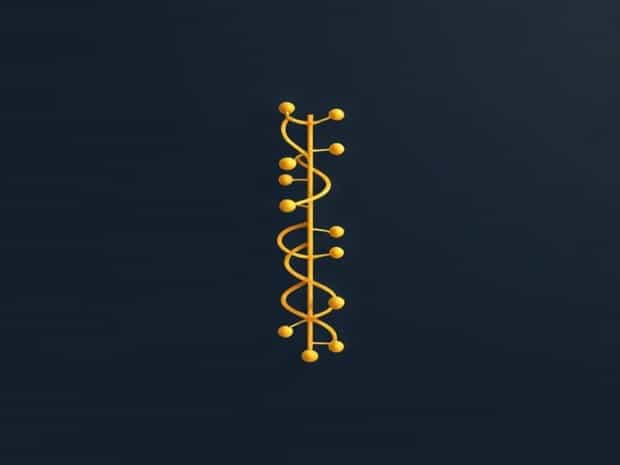
One of the fundamental discoveries in biology is that DNA acts as the genetic material. DNA, or deoxyribonucleic acid, is present in the nucleus of eukaryotic cells and in the cytoplasm of prokaryotes. Its structure, discovered by Watson and Crick, is a double helix composed of nucleotides. Each nucleotide consists of a sugar, phosphate group, and nitrogenous base.
Nitrogenous Bases
- Adenine (A)
- Thymine (T)
- Guanine (G)
- Cytosine (C)
These bases pair specifically (A with T and G with C), ensuring accurate replication and transmission of genetic information. The arrangement of these bases constitutes the genetic code that determines the traits of an organism.
DNA Replication
Replication is the process through which DNA makes identical copies of itself. This ensures that every new cell formed during cell division receives the correct genetic instructions. The semi-conservative nature of replication means that each new DNA molecule consists of one old strand and one newly synthesized strand.
Steps in DNA Replication
- InitiationThe double helix unwinds with the help of enzymes like helicase.
- ElongationDNA polymerase adds complementary nucleotides to the exposed strands.
- TerminationThe replication process ends when the entire DNA molecule is copied.
Errors during replication are rare due to proofreading mechanisms, but when they occur, they may lead to mutations, which are changes in the genetic code.
RNA and Its Role
While DNA stores genetic information, RNA (ribonucleic acid) plays a crucial role in expressing that information. RNA is usually single-stranded and differs from DNA by having uracil (U) instead of thymine (T). Several types of RNA work together to ensure proper gene expression.
Types of RNA
- mRNA (Messenger RNA)Carries genetic information from DNA to ribosomes.
- tRNA (Transfer RNA)Brings amino acids during protein synthesis.
- rRNA (Ribosomal RNA)Forms part of the ribosome and helps in protein synthesis.
Central Dogma of Molecular Biology
The central dogma, first proposed by Francis Crick, explains the flow of genetic information. It states that DNA is transcribed into RNA, and RNA is translated into proteins. Proteins then perform structural and functional roles in the cell, making them essential for life.
DNA → RNA → Protein
Transcription
Transcription is the process of synthesizing RNA from a DNA template. It occurs in the nucleus in eukaryotes and in the cytoplasm in prokaryotes. The enzyme RNA polymerase plays a central role in this process.
Phases of Transcription
- InitiationRNA polymerase binds to the promoter region of DNA.
- ElongationRNA nucleotides are added complementary to the DNA strand.
- TerminationThe process stops when a termination signal is reached.
The product of transcription is mRNA, which carries the genetic code to the ribosomes for protein synthesis.
Translation
Translation is the process through which mRNA is decoded to produce a polypeptide chain, which folds into a functional protein. This process takes place in the ribosomes and involves mRNA, tRNA, and rRNA.
Steps in Translation
- InitiationThe ribosome assembles around the start codon on the mRNA.
- ElongationtRNA molecules bring amino acids that are linked together in sequence.
- TerminationThe process stops when a stop codon is encountered.
The sequence of bases in the mRNA determines the sequence of amino acids, which ultimately defines the structure and function of the protein.
Genetic Code
The genetic code is universal and nearly identical across all living organisms. It consists of codons, which are sequences of three nucleotides in mRNA that correspond to specific amino acids. For example, the codon AUG codes for the amino acid methionine and also acts as the start codon for translation.
Regulation of Gene Expression
Not all genes are active at all times. Cells regulate gene expression to conserve energy and resources. Regulatory mechanisms ensure that only the necessary genes are expressed in response to environmental signals or developmental stages.
Levels of Regulation
- Transcriptional regulation
- Post-transcriptional regulation
- Translational regulation
- Post-translational modifications
Mutations and Genetic Variation
Mutations are changes in the DNA sequence that may arise due to errors during replication or external factors such as radiation. While some mutations can be harmful, others may introduce variation that contributes to evolution. Mutations in germ cells can be inherited, influencing traits in future generations.
Human Genome Project and Modern Insights
The Human Genome Project provided detailed knowledge of the human DNA sequence. This project revolutionized our understanding of the molecular basis of inheritance by identifying genes linked to diseases, traits, and biological functions. It also paved the way for genetic engineering, biotechnology, and personalized medicine.
Applications of Molecular Basis of Inheritance
The study of DNA, RNA, and proteins has countless applications in science and medicine. Some of the key applications include
- Forensic science for DNA fingerprinting
- Medical diagnostics for genetic disorders
- Agricultural biotechnology for improved crops
- Gene therapy to correct defective genes
The molecular basis of inheritance, often explained in an accessible way by educators like Seep Pahuja, provides a clear understanding of how life is guided by DNA, RNA, and proteins. From replication to transcription and translation, each step ensures accurate transmission of genetic information. Advances in genetics continue to deepen our knowledge and open new possibilities in medicine, biotechnology, and evolutionary studies. This subject not only explains how traits are inherited but also connects the microscopic world of molecules to the larger picture of life on Earth.