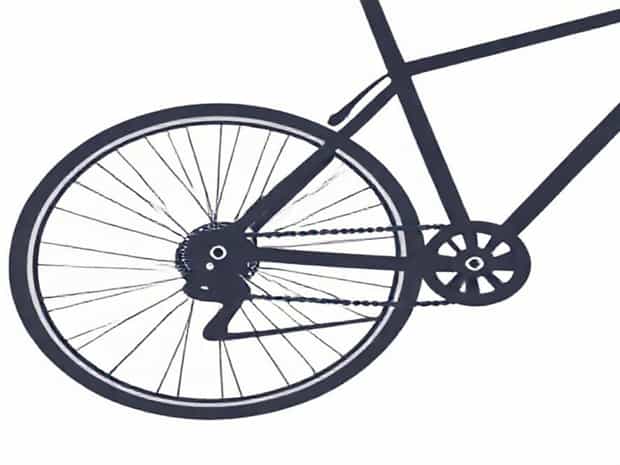
Bike Chain Slipping When Pedaling Hard
One of the most frustrating things for cyclists is when the bike chain slips while pedaling hard, especially during uphill climbs or sprinting. Instead of smooth power transfer, the pedals suddenly jerk, making you lose balance and momentum. This issue is common across all types of bicycles, from road bikes to mountain bikes, and understanding the causes can help you fix the problem effectively. Knowing why your bike chain keeps slipping ensures safer rides, better performance, and less wear on expensive components.
Why a Bike Chain Slips When Pedaling Hard
A slipping chain is usually caused by wear and tear or improper adjustments in the drivetrain. When force is applied to the pedals, the chain should engage tightly with the teeth of the chainring and cassette. If the chain or gears are worn out, or if the components are not aligned correctly, the chain may jump or skip. Below are the most common reasons behind this issue.
1. Worn Chain
Chains stretch over time as the metal links wear down. A stretched chain no longer fits perfectly onto the cassette or chainring teeth, causing it to slip when pedaling hard. Regularly checking your chain with a chain wear tool can prevent unexpected problems.
2. Worn Cassette or Chainrings
If the chain has been used too long without replacement, it can also wear down the cassette sprockets and chainrings. The teeth become sharp or hooked, reducing grip and allowing the chain to slip under pressure. Replacing only the chain in this situation may not solve the issue; you might need to replace the cassette or chainrings as well.
3. Improper Gear Adjustment
Sometimes the problem comes from derailleur misalignment. If the derailleur is not properly indexed, the chain may sit awkwardly between gears. When extra force is applied, the chain can jump to the next cog or slip off entirely. Adjusting the derailleur and ensuring smooth shifting can solve this.
4. Dirty or Poorly Lubricated Chain
Dirt, grime, and lack of lubrication can interfere with how smoothly the chain moves across gears. A dirty chain not only causes skipping but also accelerates wear on the drivetrain. Regular cleaning and lubrication can extend the life of your bike components and prevent slipping issues.
5. Incompatible or Incorrectly Installed Parts
Mixing old and new parts, such as pairing a new chain with a worn cassette, can lead to poor performance. Additionally, installing the wrong speed chain (for example, a 9-speed chain on a 10-speed cassette) can cause slipping under pressure. Always ensure compatibility when replacing parts.
How to Fix a Slipping Bike Chain
Fortunately, fixing a slipping bike chain is usually straightforward once the root cause is identified. Below are practical solutions for different situations
- Check chain wearUse a chain checker tool. If the chain is stretched beyond recommended limits, replace it.
- Inspect cassette and chainringsLook for hooked or worn teeth. If damaged, replace them along with the chain.
- Adjust derailleurFine-tune the derailleur using the barrel adjuster until shifting is smooth and precise.
- Clean and lubricateRegularly remove dirt and apply bike-specific lubricant to the chain.
- Check compatibilityEnsure the chain, cassette, and chainrings are designed for the same speed system.
Preventing Chain Slipping in the Future
Prevention is often easier and cheaper than constant repairs. With proper care, you can reduce the chances of your bike chain slipping when pedaling hard. Here are some preventive steps
- Replace your chain every 2,000-3,000 miles or as recommended by the manufacturer.
- Clean and lubricate your drivetrain at least once a month, or more often in muddy or rainy conditions.
- Check gear indexing regularly to ensure smooth and accurate shifting.
- Avoid cross-chaining (using the big chainring with the largest cassette cog or the small chainring with the smallest cog), as it stresses the drivetrain.
- Get a professional bike tune-up once or twice a year to keep everything aligned and working correctly.
Why It Matters for Cyclists
A chain that slips when you pedal hard does more than just disrupt your ride. It can also cause sudden loss of balance, increase wear on expensive parts, and even lead to accidents if it happens unexpectedly during a climb or while riding in traffic. By addressing the issue early, you not only improve performance but also ride more safely and confidently.
When to Seek Professional Help
While many slipping chain problems can be fixed at home with basic tools, there are times when professional help is best. If you notice persistent slipping despite cleaning, adjusting, and replacing the chain, it could indicate deeper issues with the bottom bracket, freehub, or derailleur hanger alignment. A professional mechanic can quickly diagnose and resolve these complex issues.
Dealing with a bike chain slipping when pedaling hard is a common challenge, but it does not have to ruin your rides. Most of the time, the solution lies in routine maintenance replacing a worn chain, keeping the drivetrain clean, and ensuring proper adjustments. By paying attention to the condition of your bike’s components, you can enjoy smoother rides, avoid costly repairs, and focus on the joy of cycling rather than unexpected mechanical problems. A well-maintained bike not only performs better but also keeps you safe and confident on the road or trail.
Would you like me to expand this with more technical details (like torque impact and chainline mechanics) so it reaches closer to 1000 words?