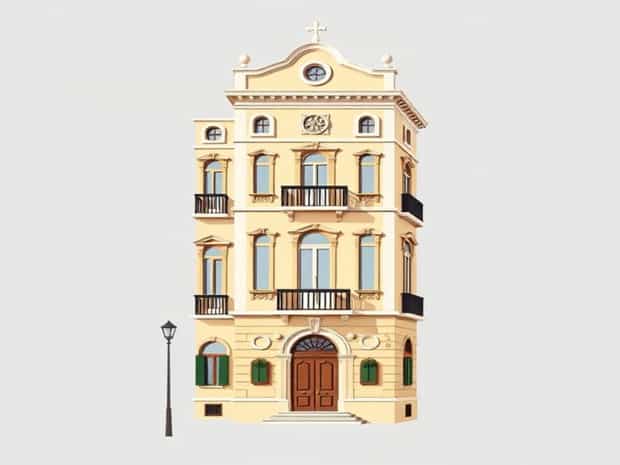
Italianate Architecture Number Of Stories
Italianate architecture emerged in the early 19th century as a distinct architectural style that drew inspiration from the villas and rural buildings of Italy. This style became highly popular in the United States, the United Kingdom, and other countries, particularly during the mid to late 1800s. Italianate buildings are easily recognized by their low-pitched or flat roofs, tall windows, overhanging eaves with decorative brackets, and often elaborate cornices. One of the most interesting aspects of Italianate architecture is the typical number of stories these structures feature, which varies depending on function, location, and the architect’s design preferences. Understanding the relationship between Italianate design and the number of stories helps to appreciate the practical and aesthetic decisions behind these iconic buildings.
Typical Number of Stories in Italianate Architecture
Italianate buildings commonly range from two to four stories, with three stories being especially prevalent in urban residential and commercial structures. The number of stories often depends on the intended function of the building, local building practices, and the overall scale of the property. In cities, Italianate row houses often have two or three stories, providing sufficient living space on a narrow lot. In rural or suburban settings, larger Italianate villas or mansions may reach three or four stories, with each floor serving a specific purpose, such as living quarters, service areas, or entertainment spaces.
- Two Stories Common for smaller urban row houses and townhomes.
- Three Stories Frequently seen in urban and suburban residential buildings.
- Four Stories Often reserved for grand villas or larger commercial Italianate structures.
- Variations Some exceptional designs may incorporate additional attic or tower levels.
- Influence of Lot Size Narrow city lots favor fewer stories, while expansive estates allow for taller structures.
Urban Italianate Residences
In urban environments, Italianate architecture often adapted to the constraints of city lots while maintaining the style’s defining features. Row houses or townhomes typically had two or three stories, which allowed for multiple floors of living space without overwhelming narrow plots. The ground floor usually contained common areas such as parlors, dining rooms, or small commercial spaces, while upper floors provided bedrooms and private quarters. Urban Italianate buildings often included a raised basement or garden level, adding usable space without increasing the visible height from the street.
- Two-Story Urban Homes Practical for narrow city lots, maintaining proportional design.
- Three-Story Urban Homes Allows for additional bedrooms and functional separation of spaces.
- Raised Basements Adds extra living or service space, common in Italianate row houses.
- Decorative Elements Cornices, brackets, and tall windows often span all stories.
- Urban Adaptation Designed to balance aesthetic appeal with practical urban living requirements.
Suburban and Rural Italianate Villas
In contrast, suburban and rural Italianate villas and mansions often had three to four stories. These larger structures reflected the wealth and social status of their owners and often featured towers or cupolas that extended above the main building. Each story of a suburban villa had a specific function, with formal reception rooms on the first floor, private family areas on the second, and servant quarters or storage areas on higher levels. These multi-story designs allowed architects to create visually imposing facades while providing practical internal arrangements for the lifestyle of affluent families during the 19th century.
- Three-Story Villas Common for family residences with formal and private areas.
- Four-Story Mansions Include towers, cupolas, or additional attic space.
- Functional Division Different floors dedicated to entertaining, living, and service areas.
- Tower Elements Often added a vertical accent to enhance the visual height of the villa.
- Landscaping Integration Multi-story designs often complemented gardens and terraces.
Commercial Italianate Buildings
Italianate architecture was also widely applied to commercial buildings, particularly in cities during the late 19th century. These structures frequently had three to four stories to maximize space for offices, shops, or apartments. Tall windows, decorative cornices, and bracketed eaves continued to define the style while providing the vertical emphasis needed for commercial prominence. The number of stories in commercial Italianate buildings allowed business owners to balance street-level accessibility with upper-level rental or office space, making the design both functional and visually appealing.
- Three-Story Commercial Buildings Common for mixed-use structures with shops and offices.
- Four-Story Commercial Buildings Maximizes rental space in densely populated areas.
- Architectural Ornamentation Brackets, cornices, and window hoods enhance verticality.
- Functional Layout Ground floor for commercial use, upper floors for offices or apartments.
- Urban Landmark Multi-story Italianate buildings often became prominent city features.
Influence of Towers and Cupolas
Many Italianate buildings include towers or cupolas that add vertical emphasis without increasing the functional floor count. These features often rise above the main stories, giving the illusion of additional height while maintaining proportionate design. Towers were particularly common in suburban villas, where they provided observation points, natural ventilation, and aesthetic grandeur. In urban buildings, smaller cupolas or rooftop structures were sometimes added to signal prestige or create architectural interest.
- Towers Provide vertical accent and additional functional space.
- Cupolas Small structures atop roofs for light, ventilation, or decoration.
- Visual Effect Enhances perceived height without adding full stories.
- Suburban Villas Towers often emphasized wealth and social status.
- Urban Applications Cupolas added architectural charm to city buildings.
Factors Affecting the Number of Stories
The number of stories in Italianate architecture depends on several factors, including lot size, intended use, social status, and local building regulations. Narrow urban lots limit vertical expansion, leading to two- or three-story row houses. Wealthy suburban families could afford larger plots, allowing three- or four-story villas with towers. Commercial needs in cities demanded multi-story structures for maximum space utilization. Building codes and construction technologies of the 19th century also influenced story height, with load-bearing masonry limiting extreme vertical expansion while still allowing visually impressive facades.
- Lot Size Larger plots allow more stories; smaller lots limit height.
- Function Residential, commercial, or mixed-use determines vertical needs.
- Social Status Wealthier owners often preferred taller, more imposing structures.
- Construction Methods Masonry and early framing techniques affected feasible story height.
- Urban Density City environments often required maximizing floor space within height constraints.
The number of stories in Italianate architecture varies depending on context, function, and design goals. Two to three stories are common for urban row houses, while three- to four-story villas and commercial buildings are prevalent in suburban and city settings. Towers, cupolas, and decorative elements often enhance the perceived height, creating visually striking structures without increasing functional stories. Understanding the relationship between the Italianate style and the number of stories allows for a deeper appreciation of this architectural form, highlighting the balance between aesthetics, functionality, and historical context. Whether in cities or countryside, Italianate buildings continue to be admired for their proportion, ornamentation, and timeless elegance, with their number of stories playing a key role in their overall design identity.