Best Time To Visit Copenhagen
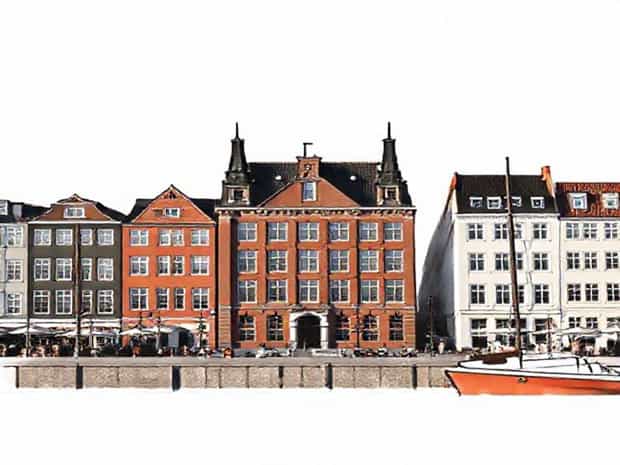
Copenhagen, the charming capital of Denmark, is a city that captivates travelers with its blend of modern design, historic architecture, and vibrant cultural life. Known for its picturesque canals, colorful waterfront houses, and iconic landmarks like Tivoli Gardens and the Little Mermaid statue, Copenhagen offers a unique experience throughout the year. However, determining the best time to visit Copenhagen depends on several factors including weather, seasonal events, tourist crowd levels, and personal preferences for activities. Understanding the different seasons and what each offers helps travelers plan a trip that aligns with their interests, whether it’s enjoying outdoor activities, exploring cultural sites, or experiencing local festivals.
Spring in Copenhagen (March to May)
Spring is one of the most delightful times to visit Copenhagen, as the city awakens from the cold winter months and nature begins to bloom. Temperatures range between 5°C to 15°C, making it pleasant for walking tours, cycling, and sightseeing. Parks and gardens like the King’s Garden and Frederiksberg Garden are filled with colorful flowers, offering picturesque spots for photography and relaxation. Spring is also a time when outdoor cafes reopen, and the city’s streets buzz with local life.
Advantages of Visiting Copenhagen in Spring
- Mild temperatures ideal for outdoor exploration
- Fewer tourists compared to summer, allowing a more relaxed experience
- Blooming gardens and scenic natural spots
- Opportunities to enjoy seasonal local events and markets
Summer in Copenhagen (June to August)
Summer is the peak tourist season in Copenhagen due to the long daylight hours, warm weather, and lively cultural scene. Temperatures range from 18°C to 25°C, creating perfect conditions for exploring the city by bike or enjoying canal tours. Popular attractions like Tivoli Gardens, Nyhavn, and Amalienborg Palace are in full swing, offering a festive atmosphere. Summer also hosts numerous outdoor events, music festivals, and open-air performances that showcase Danish culture and creativity.
Benefits of Visiting in Summer
- Long daylight hours provide more time for sightseeing and activities
- Warm and pleasant weather for outdoor dining and cycling
- Vibrant festivals, markets, and cultural events
- Opportunity to enjoy waterfront areas and canals in full bloom
Autumn in Copenhagen (September to November)
Autumn offers a quieter and more relaxed atmosphere in Copenhagen, with fewer tourists and cooler temperatures ranging from 7°C to 15°C. The city is adorned with fall foliage, especially in parks and along tree-lined streets, creating a cozy and picturesque setting. Autumn is also a great time to explore Copenhagen’s museums, art galleries, and historic sites, as indoor attractions are less crowded. Additionally, Danish culinary experiences, such as seasonal food markets and harvest festivals, are highlights during this period.
Advantages of Visiting in Autumn
- Fewer tourists allow for a more peaceful experience
- Beautiful fall foliage and scenic photography opportunities
- Comfortable weather for walking tours and outdoor activities
- Seasonal food festivals and cultural events
Winter in Copenhagen (December to February)
Winter in Copenhagen is characterized by cold weather, with temperatures ranging from -1°C to 5°C. Despite the chilly conditions, winter is a magical time to visit, especially during the holiday season. The city transforms with festive lights, Christmas markets, and cozy cafes, providing a unique charm. Winter activities include visiting the Tivoli Gardens’ winter wonderland, exploring historic castles, and enjoying warm Danish pastries in local bakeries. While daylight hours are shorter, the enchanting ambiance and seasonal festivities make it a memorable experience for travelers seeking a winter escape.
Benefits of Visiting in Winter
- Magical Christmas markets and festive decorations
- Fewer tourists at popular attractions
- Unique winter activities like ice skating and cozy cafes
- Opportunity to experience Danish hygge and local traditions
Special Considerations
When planning a trip to Copenhagen, it is important to consider factors beyond weather and crowd levels. Booking accommodations and tickets in advance during peak summer months is recommended due to high demand. Travelers seeking budget-friendly options may find better deals in spring or autumn when the city is less crowded. Additionally, checking local event calendars can enhance the experience, allowing visitors to participate in festivals, cultural performances, or seasonal culinary events. Travelers should also pack appropriately for the season, with layers and waterproof clothing for unpredictable weather, especially in spring and autumn.
Tips for Visiting Copenhagen
- Plan according to preferred weather conditions and activities
- Book accommodations early during peak summer season
- Consider local festivals and events for a richer experience
- Use public transport or rent bicycles to explore the city efficiently
- Carry seasonal clothing and accessories for comfort
The best time to visit Copenhagen depends largely on personal preferences and interests. Spring and autumn are ideal for travelers seeking mild weather, fewer crowds, and scenic beauty. Summer offers vibrant energy, long daylight hours, and an abundance of outdoor activities and festivals, making it perfect for those who enjoy lively cultural experiences. Winter provides a magical setting with festive markets and cozy indoor activities, ideal for travelers seeking charm and holiday spirit. Regardless of the season, Copenhagen offers a rich mix of history, culture, gastronomy, and scenic beauty, making it a destination worth exploring throughout the year. By considering weather, seasonal events, and personal travel preferences, visitors can choose the perfect time to experience the magic of this Scandinavian city.