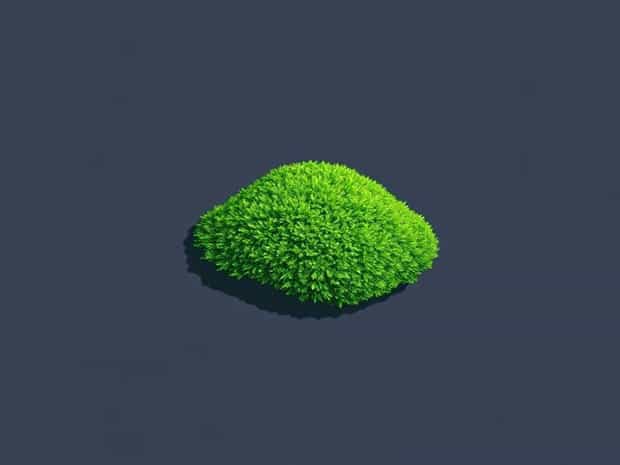
Is Peat Moss Good
Peat moss is a material commonly found in gardening and horticulture, and it has become a staple for many gardeners due to its unique properties. Derived from decomposed sphagnum moss and organic matter accumulated over centuries in wetlands and bogs, peat moss has the ability to retain moisture while improving soil aeration. Gardeners often ask whether peat moss is good for their plants, and the answer depends on understanding its characteristics, benefits, and potential drawbacks. By exploring its composition and uses, we can evaluate whether incorporating peat moss into soil mixtures is a beneficial choice for both indoor and outdoor gardening projects.
Understanding Peat Moss
Peat moss is an organic material formed over thousands of years as plant material decays in wetland environments with low oxygen levels. This slow decomposition process preserves the structure of the moss, creating a fibrous, lightweight, and highly absorbent substance. Peat moss is naturally acidic, typically with a pH of around 3.5 to 4.5, which makes it particularly useful for acid-loving plants such as blueberries, azaleas, and rhododendrons. Its ability to retain water and nutrients while improving soil texture has made it an essential component in potting mixes, seed starting media, and garden soil amendments.
Benefits of Peat Moss in Gardening
Peat moss offers several advantages that make it appealing to gardeners
- Water RetentionOne of the most significant benefits of peat moss is its capacity to hold water. It can absorb several times its weight in water, helping plants maintain consistent moisture levels and reducing the frequency of watering.
- Soil AerationPeat moss improves soil structure by loosening compacted soil and creating air pockets. This enhances root growth and allows better oxygen flow to plant roots.
- Acidity AdjustmentBecause of its naturally low pH, peat moss is ideal for acid-loving plants. Adding it to garden soil can help lower pH levels and create a more suitable environment for these species.
- Nutrient RetentionPeat moss has a high cation exchange capacity, which allows it to hold onto nutrients and release them gradually to plants. This helps reduce nutrient leaching and improves soil fertility.
- Seed GerminationIts fine texture and ability to retain moisture make peat moss a preferred medium for starting seeds. It provides an ideal environment for young seedlings to develop strong roots.
Uses of Peat Moss in Different Gardening Applications
Gardeners utilize peat moss in various ways, depending on the type of plants and soil conditions
Potting Mixes
Peat moss is often a key ingredient in commercial potting mixes. By combining it with perlite, vermiculite, or compost, potting mixes can retain moisture while providing proper drainage. This balance is essential for container plants, as it prevents root rot and ensures consistent nutrient availability.
Soil Amendment
Adding peat moss to garden soil can improve its structure, especially in heavy clay or sandy soils. In clay soils, peat moss helps break up dense clumps and enhances drainage, while in sandy soils, it increases water and nutrient retention. This versatility makes peat moss a valuable tool for improving overall soil health.
Seed Starting
Because of its lightweight and fine texture, peat moss is ideal for germinating seeds. It holds moisture without becoming waterlogged, creating optimal conditions for young plants. Gardeners often mix peat moss with other components like vermiculite to provide additional nutrients and prevent compaction.
Considerations and Drawbacks of Peat Moss
While peat moss has many advantages, it also comes with some considerations that gardeners should keep in mind
- Environmental ImpactHarvesting peat moss can damage wetland ecosystems, release stored carbon, and contribute to greenhouse gas emissions. Sustainable alternatives, such as coconut coir, are becoming popular among environmentally conscious gardeners.
- AcidityIts natural acidity may not be suitable for all plants. Gardeners need to adjust soil pH accordingly or use it selectively for acid-loving species.
- Nutrient ContentPeat moss is low in nutrients, so it should be supplemented with fertilizers or compost to provide adequate nutrition for plants.
- Water ManagementAlthough it retains water well, peat moss can become hydrophobic if it dries out completely. Proper watering practices are essential to maintain its effectiveness.
Alternatives to Peat Moss
Given environmental concerns and limitations, many gardeners consider alternatives to peat moss
- Coconut CoirMade from coconut husks, coir is renewable, retains water well, and provides a similar texture to peat moss.
- CompostDecomposed organic matter enriches soil with nutrients and improves soil structure, serving as a sustainable substitute.
- Bark Fines and Wood FiberThese materials are suitable for improving soil aeration and water retention, though they may have different acidity levels compared to peat moss.
Tips for Using Peat Moss Effectively
To maximize the benefits of peat moss, gardeners should follow some best practices
- Mix peat moss with other soil amendments to balance acidity and nutrient content.
- Moisten peat moss before use to prevent it from becoming hydrophobic.
- Use peat moss in moderation, especially in outdoor gardens, to minimize environmental impact.
- Monitor soil pH regularly if using peat moss for acid-sensitive plants.
- Combine peat moss with fertilizers or compost to provide essential nutrients for healthy plant growth.
Peat moss can be an excellent addition to gardening and horticulture when used thoughtfully. Its ability to retain water, improve soil structure, and support seed germination makes it a valuable resource for gardeners. However, its environmental impact, acidity, and low nutrient content require careful consideration and responsible use. By combining peat moss with other soil amendments and adopting sustainable gardening practices, it is possible to harness its benefits while minimizing potential drawbacks. Overall, peat moss remains a versatile and widely used material that, when applied correctly, can significantly enhance plant growth and soil health.