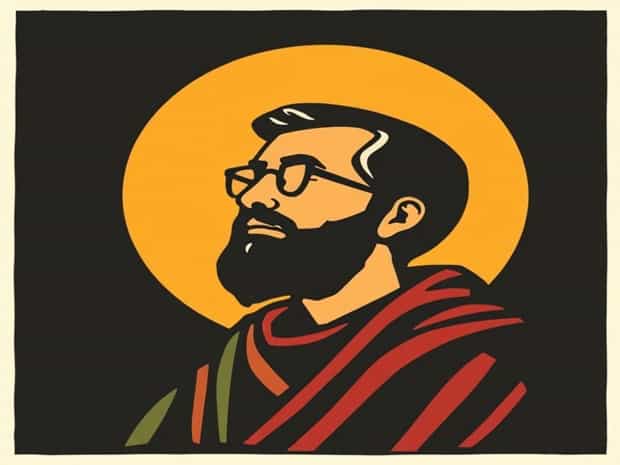
Is Oscar Romero A Saint
Oscar Romero is widely recognized as a prominent figure in modern Catholic history, known for his unwavering commitment to social justice, human rights, and the defense of the poor in El Salvador. Born on August 15, 1917, Romero became the Archbishop of San Salvador and emerged as a vocal critic of government oppression during a period of intense political turmoil and civil unrest. His courageous advocacy for the marginalized and his outspoken condemnation of violence and injustice made him both revered and controversial. Over time, the question has arisen whether Oscar Romero has been officially recognized as a saint by the Catholic Church, and exploring his life, martyrdom, and canonization process provides clarity on this topic.
The Life of Oscar Romero
Oscar Arnulfo Romero y Galdamez was ordained as a priest in 1942 and later appointed Archbishop of San Salvador in 1977. From the beginning of his episcopacy, Romero was deeply concerned about the plight of the poor and the increasing violence perpetrated by government forces and death squads. He used his position as Archbishop to speak out against injustice, often delivering sermons that were broadcast over radio, reaching thousands of Salvadorans who were desperate for guidance and hope. Romero’s advocacy emphasized the Church’s role in defending human dignity and protecting those who had no voice in society.
Commitment to Justice
Romero’s commitment to justice was not without risk. He frequently received threats and faced criticism from political authorities and conservative sectors of the Church. Despite this, he remained steadfast in his mission to denounce human rights abuses, advocate for the poor, and call for nonviolence. His courage and moral integrity made him a symbol of hope and a spiritual leader who prioritized the Gospel’s call to serve the marginalized. The intensity of his advocacy ultimately led to his assassination while celebrating Mass on March 24, 1980, an event that shocked the world and cemented his legacy as a martyr for justice.
The Martyrdom of Oscar Romero
Martyrdom is a key consideration in the process of canonization within the Catholic Church. A martyr is someone who dies as a witness to faith, particularly when standing against oppression, injustice, or persecution. Oscar Romero is widely recognized as a martyr because he was killed for defending the Gospel values of justice, peace, and human dignity. His assassination occurred in a context where speaking out for the poor and oppressed was a dangerous act, illustrating the ultimate sacrifice he made in fidelity to his mission. The Church has acknowledged this context as central to understanding his life and death.
Impact of His Martyrdom
The death of Oscar Romero had a profound impact both within El Salvador and internationally. His assassination drew attention to the human rights crisis in the country, inspired countless advocates for social justice, and reinforced the moral responsibility of the Church to speak out against oppression. Romero’s life and death have been documented extensively, with testimonies from those who knew him and witnessed his advocacy highlighting his unwavering commitment to faith and justice. His martyrdom became a catalyst for change and a symbol of moral courage in the face of systemic violence.
The Canonization Process
The process of canonization in the Catholic Church involves rigorous investigation of the candidate’s life, virtues, and, in cases of martyrdom, the circumstances of their death. Oscar Romero’s cause for canonization began decades after his death, reflecting both the complexity of the political context and the Church’s careful discernment. Initially, his beatification faced delays due to political sensitivities and debates over the interpretation of his advocacy. Despite these challenges, the Church continued to recognize his profound spiritual and moral impact, moving forward with the process.
Beatification
Oscar Romero was beatified by Pope Francis on May 23, 2015. Beatification is the recognition by the Catholic Church that a deceased person has entered heaven and can intercede on behalf of those who pray in their name. For Romero, beatification specifically acknowledged his martyrdom and heroic virtues, affirming that he died in hatred of the faith. The ceremony was attended by thousands of devotees from around the world, highlighting his widespread influence and the deep respect he commands among the faithful.
Canonization as a Saint
Canonization is the final step in the Church’s process of recognizing someone as a saint. Following his beatification, Oscar Romero’s cause continued to advance, with evidence of his intercessory power and widespread devotion being taken into consideration. On October 14, 2018, Pope Francis officially canonized Oscar Romero, declaring him a saint of the Catholic Church. This declaration formally recognizes his life, martyrdom, and enduring influence as worthy of veneration by Catholics worldwide. His canonization also emphasizes the Church’s acknowledgment of the importance of advocating for justice and human dignity as an integral part of Christian witness.
Significance of His Sainthood
Being declared a saint means that Oscar Romero is now officially venerated as a model of Christian virtue and an intercessor before God. His life serves as an example of courage, faithfulness, and moral conviction, inspiring Catholics and others around the world to pursue justice and compassion. Saints are honored not only for their piety but also for their tangible impact on the lives of others, and Romero’s work in defending the poor and oppressed exemplifies these qualities. His sainthood highlights the Church’s recognition of modern martyrs who embody the Gospel in challenging social contexts.
Global Recognition and Legacy
Oscar Romero’s sainthood has had a profound impact globally. Churches, schools, and organizations have been named in his honor, and his legacy continues to inspire advocacy for social justice, peace, and human rights. His life story is taught in theological and social studies programs, and his writings and sermons are studied for their deep spiritual and ethical insights. Romero is celebrated not only as a religious figure but also as a symbol of moral courage and the universal struggle for human dignity.
Lessons from His Life
The canonization of Oscar Romero offers several lessons for contemporary believers and society at large
- The importance of standing for justice even in the face of danger.
- The role of faith in guiding moral and ethical decisions.
- The significance of serving the marginalized and advocating for the oppressed.
- The enduring impact of moral courage and principled leadership.
- The power of intercession and the witness of a saint in inspiring global devotion.
Oscar Romero is officially recognized as a saint in the Catholic Church, having been canonized by Pope Francis on October 14, 2018. His life exemplifies the virtues of courage, faith, and unwavering commitment to justice, and his martyrdom underscores the ultimate sacrifice he made for defending the oppressed and speaking truth to power. Romero’s sainthood affirms his place as a model of Christian virtue, inspiring believers to live lives of service, advocacy, and devotion. By recognizing him as a saint, the Catholic Church honors both his spiritual legacy and his enduring influence on the pursuit of justice and human dignity worldwide.