Is Orchid A Color
Colors play a significant role in our daily lives, influencing our moods, choices, and perceptions. Among the vast spectrum of hues, some colors are named after objects, flowers, or natural elements, creating a connection between the visual and the symbolic. One such color that often sparks curiosity is orchid.” People commonly wonder whether orchid is a recognized color, what shades it encompasses, and how it is used in design, fashion, and art. Understanding the origin, definition, and application of orchid as a color provides insight into its aesthetic appeal and cultural significance, making it more than just a floral reference.
Defining Orchid as a Color
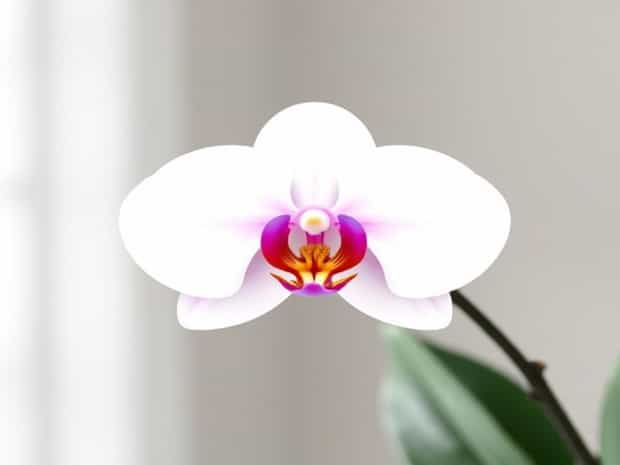
Orchid is indeed recognized as a color, typically described as a shade of purple with pinkish undertones. It derives its name from the orchid flower, which is known for its vibrant and diverse colors. Orchid as a color is often associated with creativity, luxury, and elegance, making it a popular choice in fashion, interior design, and graphic arts. The color is not a single, fixed hue but rather a range that includes lighter, pastel-like shades and deeper, more saturated variations.
Origin and Recognition
The term “orchid” began to be used as a color name in the early 20th century. Its identification in design and digital color systems helped formalize it as a distinct hue within the purple spectrum. Today, orchid is recognized in various color standards, including the HTML/CSS web color palette, where it is defined with specific RGB and hexadecimal codes. This recognition allows designers and artists to use orchid consistently across digital and physical mediums.
Shades and Variations of Orchid
Orchid encompasses several shades, each with unique characteristics and applications. The variations typically range from light, delicate tints to vibrant, bold tones. Understanding these nuances is essential for using orchid effectively in design or fashion.
- Light OrchidA pale, soft shade that brings a gentle, calming effect. Often used in interior design for bedrooms, nurseries, or spaces requiring a soothing ambiance.
- Medium OrchidA balanced blend of purple and pink tones. This versatile shade is suitable for clothing, home decor, and visual arts, adding elegance without overwhelming the senses.
- Dark OrchidA deep, rich shade with pronounced purple hues. Frequently used in luxury design, formal wear, and statement pieces, providing a sense of sophistication and depth.
Symbolism and Cultural Significance
Colors are not only visual stimuli but also carry cultural and symbolic meanings. Orchid, in particular, holds various associations that make it appealing beyond its aesthetic qualities.
Creativity and Imagination
Orchid is often linked to creativity, originality, and artistic expression. Its blend of pink and purple hues evokes a sense of imagination, making it a favored color in artistic communities, marketing materials, and creative industries.
Luxury and Elegance
The richness of orchid shades is commonly associated with luxury, refinement, and sophistication. In fashion, orchid-colored garments are chosen to convey elegance and individuality. Similarly, in interior design, orchid accents can elevate the perceived value and style of a space.
Romance and Femininity
Due to its pinkish undertones, orchid is also connected with romantic and feminine qualities. It is frequently used in floral arrangements, wedding decorations, and beauty products to signify affection, softness, and charm.
Applications of Orchid Color
Orchid’s versatility allows it to be applied in various domains, from digital media to physical design, providing aesthetic appeal and emotional impact.
Fashion and Apparel
Orchid is a popular choice in clothing, accessories, and footwear. Its balance between subtlety and vibrancy makes it suitable for casual wear, evening dresses, and formal attire. Designers often pair orchid with complementary colors like neutrals, gold, or deep purples to create visually striking combinations.
Interior Design
In interior design, orchid can be used to create accent walls, upholstery, curtains, and decorative elements. Light orchid shades bring softness to bedrooms or living rooms, while darker shades add sophistication to lounges or offices. The color pairs well with both neutral palettes and bold contrasts, offering flexibility in design choices.
Graphic Design and Digital Media
Digital artists and web designers use orchid as part of color schemes for websites, graphics, and marketing materials. Its hexadecimal code in web design ensures consistency across platforms. The color’s eye-catching nature makes it effective in banners, advertisements, and call-to-action buttons.
Art and Crafts
Orchid is widely used in painting, crafting, and DIY projects. Its varying shades allow artists to convey depth, emotion, and beauty in their work. In floral art or thematic designs, orchid complements other pastel or jewel tones to create harmony and visual interest.
Tips for Using Orchid Effectively
- Pair with NeutralsCombining orchid with white, gray, or beige enhances its elegance and prevents overwhelming the visual space.
- Use as AccentFor interiors or fashion, using orchid as an accent color can add sophistication without dominating the design.
- Complementary ColorsOrchid works well with green, gold, navy, or other purple tones, creating visually balanced and appealing combinations.
- Consider LightingIn interior spaces, natural and artificial lighting can affect how orchid appears. Test samples before committing to large areas or fabric choices.
Orchid is indeed a color, recognized across digital and physical mediums as a unique shade of purple with pink undertones. Its origin from the orchid flower gives it a natural, vibrant inspiration, while its formal recognition in color standards ensures consistent use in design, fashion, and art. Orchid embodies creativity, elegance, and romance, making it a versatile and meaningful choice for various applications. From subtle pastel tones to deep, luxurious shades, orchid offers a spectrum that caters to different tastes and design requirements. Understanding its variations, symbolism, and applications enables individuals to incorporate orchid effectively, enhancing aesthetic appeal and emotional impact. Whether in clothing, interior spaces, or digital design, orchid continues to captivate with its beauty, sophistication, and creative potential.