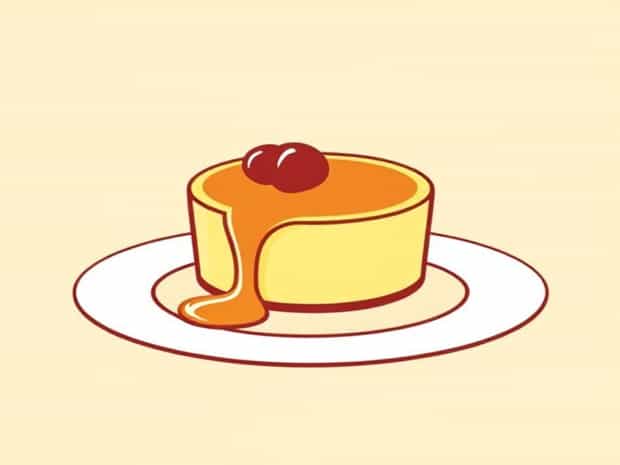
Is Creme Brulee A Cake
When people encounter crème brûlée for the first time, they often find themselves asking whether it is a type of cake. Its rich custard base topped with a caramelized sugar crust feels indulgent like a dessert cake, but at the same time, it lacks the structure and texture most people associate with cakes. The confusion is understandable because many desserts overlap in appearance and presentation. To answer whether crème brûlée is a cake, it helps to explore its ingredients, cooking method, and the history behind this elegant dish that has become a favorite in fine dining and home kitchens alike.
Understanding What Crème Brûlée Is
Crème brûlée, which translates to burnt cream” in French, is a custard dessert topped with a thin, crisp layer of caramelized sugar. The contrast between the creamy base and the crunchy topping makes it distinct. The dessert is usually served in small ramekins rather than baked as a whole piece, which already separates it from most cakes. Its preparation involves baking the custard in a water bath and then finishing it with a torch or broiler to create the golden sugar crust.
Main Ingredients of Crème Brûlée
- Heavy cream or milk for the custard base
- Egg yolks for thickness and richness
- Sugar for both sweetness and caramelization
- Vanilla or other flavorings for aroma
What Defines a Cake?
A cake is generally characterized by a mixture of flour, sugar, eggs, and butter, which is baked to form a light and airy structure. The presence of flour and leavening agents like baking powder or baking soda makes cakes rise and gives them their fluffy texture. Cakes are often layered, frosted, or decorated, and they are typically served sliced rather than in individual containers. From sponge cakes to cheesecakes, the word “cake” usually refers to a specific structure that crème brûlée does not share.
Key Characteristics of Cakes
- Made with flour as a base ingredient
- Often includes leavening agents for rising
- Served in slices rather than single servings
- Usually decorated with frosting, icing, or toppings
Why Crème Brûlée Is Not a Cake
Although crème brûlée is rich and sweet like a cake, it does not meet the structural or culinary definition of a cake. It lacks flour, leavening agents, and the airy texture associated with cakes. Instead, it belongs to the custard family, similar to flan or crème caramel. The caramelized sugar topping adds texture but does not transform it into a baked good with cake-like properties. Its serving style individually portioned in ramekins also separates it from cakes, which are usually presented whole and sliced before serving.
The Custard Family of Desserts
To better classify crème brûlée, it is important to understand custard-based desserts. Custards are made primarily from milk or cream and eggs, thickened by gentle cooking. Crème brûlée is part of this category, standing alongside flan, pastry cream, and pot de crème. Each of these desserts has its own unique preparation style, but none are cakes, even though they may appear on dessert menus alongside them.
Examples of Custard Desserts
- Flan – caramel-topped custard served inverted
- Cr̬me caramel Рsimilar to flan with a smooth caramel glaze
- Pot de cr̬me Рrich custard served in small cups
- Pastry cream – custard used as filling for cakes and pastries
Why People Confuse Crème Brûlée with Cake
The confusion arises partly because crème brûlée often appears in elegant restaurants as part of a dessert menu where cakes are also served. The sweetness and richness of crème brûlée make it feel indulgent like cake, leading people to associate the two. Additionally, some people may confuse it with cheesecake, which is technically a custard baked with cream cheese and a crust. While cheesecake does contain the word cake, crème brûlée is purely a custard dessert without any cake-like structure.
Crème Brûlée in Culinary History
Crème brûlée has a long and debated history, with origins often credited to France, Spain, and England. In France, it became a hallmark of fine dining, especially in the 17th century. Its popularity spread across Europe and later to the United States, where it is now considered a classic dessert. At no point in its history, however, has crème brûlée been considered a cake. Its preparation method and cultural identity firmly place it in the custard category.
The Role of Presentation
One of the reasons crème brûlée feels so different from cake is its presentation. While cakes are designed to be shared and sliced, crème brûlée is made in individual servings. The act of cracking through the caramelized sugar topping with a spoon has become a signature experience, something cakes do not offer. This interactive element makes crème brûlée stand out, reinforcing its identity as a custard rather than a baked cake.
Health and Nutritional Differences
Another way to compare crème brûlée and cake is through nutrition. Cakes usually contain flour, butter, sugar, and frosting, which make them higher in carbohydrates and sometimes heavier in calories. Crème brûlée, while rich, is primarily cream, eggs, and sugar. This gives it a different nutritional profile higher in fats and protein from the cream and egg yolks but without the starchy carbohydrates of flour-based cakes.
Typical Nutritional Highlights of Crème Brûlée
- High in protein from egg yolks
- Rich in fats from heavy cream
- Lower in carbohydrates compared to traditional cakes
- Calorie-dense but portioned in smaller servings
Modern Variations and Fusions
In modern kitchens, chefs have experimented with combining crème brûlée with cake-like elements, leading to hybrid desserts. For example, crème brûlée cheesecake layers custard with cream cheese on a crust, while crème brûlée cupcakes use custard as a filling inside cake batter. These fusions blur the lines but do not change the fact that classic crème brûlée itself is not a cake. Instead, these hybrids borrow elements from both desserts to create new innovations.
So, is crème brûlée a cake? The answer is clear no, it is not a cake. While it shares the richness and sweetness of cake, crème brûlée belongs firmly in the custard family. Its preparation, ingredients, and presentation distinguish it from any type of cake. The confusion often comes from its indulgent nature and its place on dessert menus, but technically and culinarily, crème brûlée is not a cake. Instead, it stands proudly as a classic custard dessert with a signature caramelized sugar crust that delights people all over the world. Appreciating crème brûlée for what it truly is makes enjoying it an even sweeter experience.