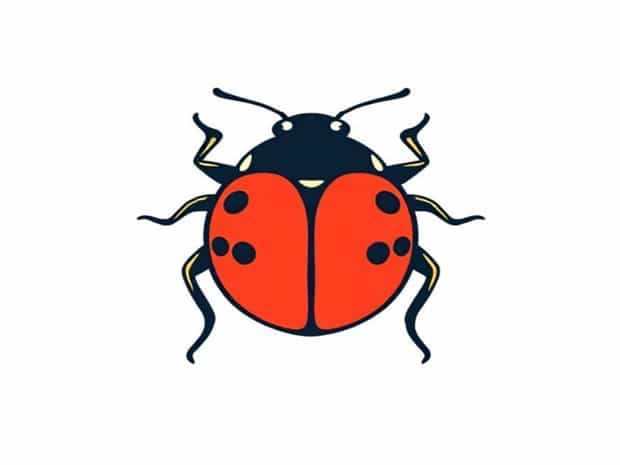
Asian Multicolored Lady Beetle
The Asian multicolored lady beetle is a fascinating and highly adaptable insect that has captured the attention of entomologists and gardeners alike. Known for its vibrant appearance and beneficial role in pest control, this beetle has become a common sight across many regions outside its native range. Its distinctive markings, combined with a versatile diet and resilience in various environments, make it an important species to understand for both ecological studies and agricultural management. Observing its behavior, life cycle, and interactions with other species reveals a complex story of adaptation, survival, and impact on local ecosystems.
Appearance and Identification
The Asian multicolored lady beetle is easily distinguishable from other lady beetles due to its wide range of colors and patterns. Typically, its elytra or wing covers can range from bright orange to red, and sometimes even yellow. Black spots are often present, but the number and size vary significantly among individuals. This variability has led to its name multicolored.” The pronotum, which is the area behind the head, usually has a white background with black markings that may form an M-shaped or W-shaped pattern depending on the beetle.
Size and Physical Features
Adult Asian multicolored lady beetles are generally around 5 to 8 millimeters in length. They possess a dome-shaped body typical of lady beetles, with six short legs and two antennae. These beetles are capable flyers, which allows them to disperse over wide areas in search of food or shelter. Their strong mandibles are adapted for consuming a variety of insects, particularly aphids, which makes them valuable natural pest controllers.
Behavior and Habits
Asian multicolored lady beetles are known for their active and sometimes aggressive behavior compared to native lady beetle species. They are predatory insects, primarily feeding on aphids, scale insects, and other soft-bodied pests. During the warmer months, they are highly mobile and spend much of their time hunting for prey. Their presence in gardens and agricultural fields can dramatically reduce pest populations, which is one reason they are considered beneficial.
Seasonal Patterns
In the fall, Asian multicolored lady beetles exhibit a unique behavior known as overwintering. As temperatures drop, they seek shelter in large groups to survive the winter. These aggregations can be found in attics, homes, and other structures, which sometimes leads to them being perceived as pests by humans. Despite this, their overwintering behavior is a survival strategy that ensures the continuation of the species into the next year.
Reproduction and Life Cycle
The reproductive cycle of the Asian multicolored lady beetle is typical of many Coccinellidae family members. Female beetles lay clusters of small yellow eggs on plants that are infested with prey. Once hatched, the larvae are voracious feeders and can consume hundreds of aphids before reaching maturity. Larvae undergo several molts before pupating and emerging as adults. This rapid reproductive cycle contributes to their effectiveness in controlling pest populations and also to their potential as an invasive species in non-native regions.
Larvae and Development
Larvae of the Asian multicolored lady beetle are elongated and black with orange or yellow markings. They are highly active predators, constantly moving and feeding on small insects. Their development from larva to adult typically takes about three to four weeks, depending on temperature and food availability. During this time, they play a crucial role in reducing pest populations in gardens and crops.
Ecological Impact
While the Asian multicolored lady beetle is beneficial in controlling agricultural pests, it can also have unintended consequences on local ecosystems. In regions where they are non-native, they sometimes outcompete native lady beetle species for food and habitat. This competitive behavior can lead to declines in native populations and alter the balance of local insect communities. Despite this, their presence has also led to significant reductions in pest outbreaks, which benefits farmers and gardeners alike.
Interaction with Other Species
Asian multicolored lady beetles interact with a variety of other species, including predators, prey, and competitors. Birds, spiders, and some small mammals prey on them, while their predation on aphids and other insects directly affects agricultural ecosystems. In some cases, they can also introduce new microbial communities to the plants they inhabit, influencing plant health and pest resistance.
Human Interaction
These beetles are often welcomed in gardens for their role in pest management but can become a nuisance when they enter homes during overwintering. Homeowners may find large aggregations inside walls or attics, seeking warmth. While they do not cause structural damage, their presence can be bothersome, and in some cases, they may emit a yellowish fluid when disturbed, which has a distinct odor. Despite this minor inconvenience, many people continue to value their ecological benefits.
Use in Agriculture
The Asian multicolored lady beetle has been intentionally introduced in many areas to combat aphid infestations. They are effective in integrated pest management programs due to their predatory nature and ability to reproduce quickly. Farmers and gardeners use them as a natural alternative to chemical pesticides, which helps reduce environmental pollution and preserve beneficial insect populations. Their adaptability to different climates and habitats has made them a widely used biological control agent.
The Asian multicolored lady beetle is a remarkable insect that combines beauty, predatory efficiency, and adaptability. While they can be invasive in certain areas, their benefits in controlling pests and supporting sustainable agriculture cannot be overstated. Understanding their appearance, behavior, life cycle, and ecological interactions allows both scientists and the general public to appreciate their role in the environment. These beetles exemplify the balance between nature’s benefits and challenges, demonstrating how a small insect can have a significant impact on ecosystems and human activities alike.
- Key Features Colorful elytra, variable spots, dome-shaped body
- Diet Aphids, scale insects, soft-bodied pests
- Behavior Predatory, active, overwintering in groups
- Reproduction Rapid life cycle, larvae are voracious feeders
- Ecological Impact Both beneficial for pest control and competitive with native species
- Human Interaction Valued in agriculture, sometimes a household nuisance
“