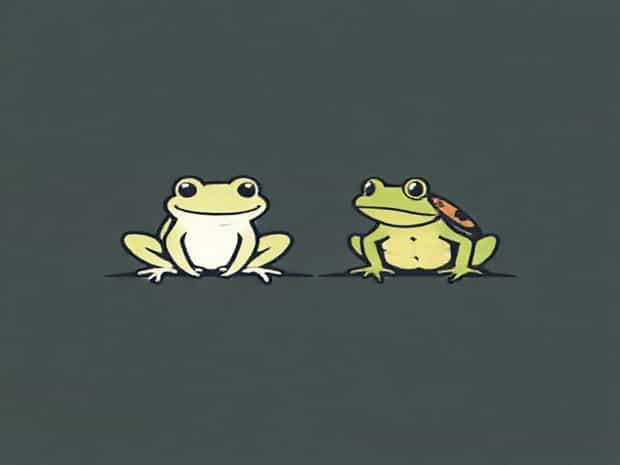
Are Frog And Toad Friends
Frogs and toads are often grouped together in casual conversation, but they are distinct amphibians with unique traits, behaviors, and habitats. Despite their similarities, questions often arise about their relationships in nature, such as whether frogs and toads can be considered friends or companions. Observing their interactions in the wild, understanding their ecological roles, and studying their communication methods provides insight into how these creatures coexist. While they share environments and sometimes overlap in feeding grounds, their relationship is more about coexistence than friendship in the human sense.
Understanding Frogs and Toads
Frogs and toads belong to the order Anura, which encompasses all tailless amphibians. Frogs typically have smooth, moist skin and prefer aquatic or semi-aquatic habitats, whereas toads have dry, warty skin and are more adapted to terrestrial environments. Their physical differences reflect their distinct lifestyles, though they share several fundamental characteristics, including amphibious reproduction, insect-based diets, and similar developmental stages from egg to tadpole to adult.
Key Physical Differences
- Skin texture Frogs generally have smooth, slippery skin, while toads have rough, bumpy skin with a more robust appearance.
- Leg length Frogs possess long, powerful legs designed for jumping and swimming, whereas toads have shorter, stouter legs suited for walking and hopping.
- Body shape Frogs tend to have leaner, more streamlined bodies, while toads are more compact and stout.
- Habitat preferences Frogs often reside near water sources, while toads are commonly found in gardens, forests, and grasslands.
Do Frogs and Toads Interact?
In natural environments, frogs and toads frequently share overlapping territories, especially in areas with abundant moisture and food. However, their interactions are mostly incidental rather than social. Amphibians do not form social bonds in the way mammals or birds do, so they do not exhibit friendship or cooperative behavior. Instead, their relationship is largely one of tolerance, with each species focusing on survival, feeding, and reproduction.
Shared Habitats
- Ponds and wetlands Frogs and toads often share these areas during breeding seasons, with frogs favoring the water edge and toads venturing slightly further onto land.
- Forest floors and gardens Both species can inhabit shaded, damp areas rich in insects, allowing them to feed in proximity without direct interaction.
- Temporary pools Rain-filled puddles can host both species, offering a brief overlap in habitat during certain times of the year.
Competition and Coexistence
While frogs and toads may inhabit similar environments, competition for food and territory is minimal due to their different feeding strategies and habitat preferences. Frogs tend to hunt near water and leap after insects, whereas toads are more patient predators, waiting for prey on land. This difference reduces direct competition and allows coexistence without conflict. Ecologically, they complement each other, controlling various insect populations and contributing to balanced ecosystems.
Communication Between Frogs and Toads
Communication in frogs and toads is mostly species-specific, involving vocalizations, visual signals, and chemical cues. Mating calls are the most prominent form of interaction, allowing individuals to attract mates while signaling territory. These calls do not extend across species in a way that would indicate social friendship, though they may result in momentary awareness of another amphibian’s presence.
Types of Vocalizations
- Frogs Known for a wide range of croaks, trills, and ribbits used to attract mates or warn of predators.
- Toads Typically produce shorter, harsher calls, often described as barks or peeps, serving similar reproductive and territorial purposes.
- Cross-species awareness While a frog may hear a toad’s call, it generally does not respond socially; rather, it may adjust its own call or remain indifferent.
Ecological Relationships
Frogs and toads contribute to the health of ecosystems in different ways, which indirectly supports coexistence. Both species act as predators of insects and other small invertebrates, helping control pest populations. Additionally, they serve as prey for larger animals, forming important links in the food chain. This indirect relationship demonstrates interdependence rather than friendship, showing how species can coexist within a shared ecological network.
Shared Benefits in Ecosystems
- Insect control Both species reduce populations of mosquitoes, flies, and other pests.
- Soil health Toads digging in soil aid in aeration, benefiting plants and indirectly supporting frogs that rely on healthy vegetation near water.
- Food web Both provide nutrition for predators such as birds, snakes, and mammals, contributing to balanced ecosystems.
- Indicator species Frogs and toads reflect environmental health, as they are sensitive to pollution, habitat loss, and climate changes.
Can Frogs and Toads Form Bonds?
Although frogs and toads are often depicted together in stories and folklore, scientific observation indicates that they do not form friendships or long-term social bonds. Amphibians are solitary for most of their lives, only coming together for mating purposes or when environmental conditions temporarily overlap. While juveniles may sometimes share shelter or feeding areas for convenience, these interactions are driven by necessity rather than affection.
Human Interpretations
Humans often anthropomorphize animals, attributing emotions and social behaviors that are not scientifically present. Frogs and toads may appear friendly” if they are seen near one another or tolerate human presence, but these behaviors are instinctual survival strategies rather than signs of friendship. Recognizing these distinctions helps promote realistic understanding of amphibian behavior while still appreciating their fascinating interactions in nature.
Observing Frogs and Toads in Harmony
While frogs and toads are not friends in a literal sense, observing them together provides valuable learning experiences about biodiversity, coexistence, and ecological balance. Gardeners, nature enthusiasts, and educators can highlight how these amphibians share spaces, manage resources, and maintain environmental health. Documenting their presence, behavior, and seasonal movements helps foster a deeper appreciation for amphibian life and encourages conservation efforts.
Practical Observation Tips
- Listen for calls during early morning or evening when both species are active.
- Visit ponds, wetlands, and damp forests to observe habitat preferences and interactions.
- Note differences in movement, feeding, and defensive behaviors between species.
- Keep a journal or take photographs to track seasonal activity and coexistence patterns.
Frogs and toads coexist peacefully in shared environments, but their interactions are based on survival rather than friendship. While humans may perceive companionship or social bonds between these amphibians, scientific evidence shows that they are primarily solitary creatures, interacting only when necessary for reproduction, feeding, or habitat use. By understanding their physical differences, communication methods, and ecological roles, we can appreciate the subtle harmony that allows frogs and toads to share habitats successfully. Observing these animals provides insight into the importance of biodiversity and the delicate balance of ecosystems. Whether in ponds, forests, or gardens, frogs and toads exemplify coexistence in nature, demonstrating that mutual tolerance can sustain multiple species within the same environment without the need for friendship as humans understand it.