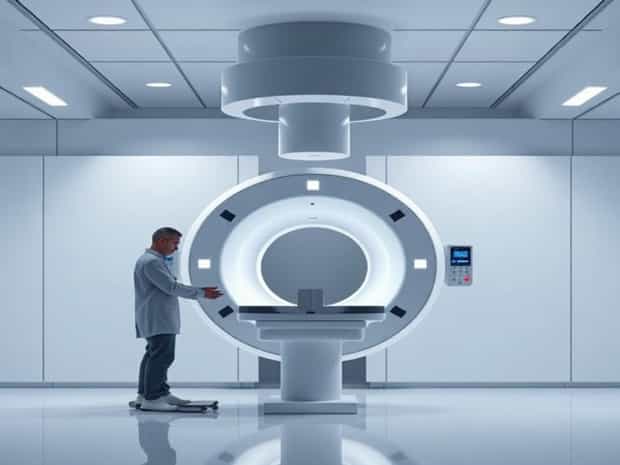
How To Be A Nuclear Medicine Technologist
Becoming a nuclear medicine technologist is an exciting and rewarding career path for those interested in healthcare, medical imaging, and advanced technology. Nuclear medicine technologists play a crucial role in diagnosing and treating diseases by using radioactive materials and sophisticated imaging equipment. They work closely with physicians, radiologists, and patients to perform procedures safely and accurately. If you are curious about how to become a nuclear medicine technologist, it involves a combination of formal education, specialized training, certification, and hands-on experience. Understanding the steps, requirements, and career outlook can help guide you toward this specialized medical profession.
Understanding the Role of a Nuclear Medicine Technologist
Nuclear medicine technologists are healthcare professionals trained to prepare and administer radioactive drugs, operate imaging equipment, and collect diagnostic information for physicians. Their work is essential for diagnosing conditions such as cancer, heart disease, and neurological disorders. They must ensure patient safety by following strict protocols for handling radioactive materials and minimizing exposure. The role requires a strong foundation in biology, chemistry, and physics, along with excellent technical skills and patient care abilities.
Daily Responsibilities
The daily responsibilities of a nuclear medicine technologist may vary depending on the facility, but typically include
- Preparing radioactive tracers for imaging procedures.
- Administering radiopharmaceuticals to patients safely.
- Operating gamma cameras, PET scanners, and SPECT machines to capture images.
- Monitoring patients during procedures to ensure comfort and safety.
- Analyzing preliminary images and reporting findings to physicians.
- Maintaining equipment and following strict radiation safety guidelines.
Educational Requirements
The first step toward becoming a nuclear medicine technologist is obtaining the appropriate education. Most positions require at least an associate degree in nuclear medicine technology, radiologic technology, or a related field. Some professionals pursue a bachelor’s degree to increase career opportunities and enhance knowledge in healthcare management, advanced imaging techniques, or research. Coursework typically covers anatomy, physiology, pharmacology, radiation physics, and patient care. Many programs also incorporate laboratory work and clinical rotations to provide hands-on experience.
Accredited Programs
It is important to attend a program accredited by the Joint Review Committee on Educational Programs in Nuclear Medicine Technology (JRCNMT) or another recognized accrediting body. Accredited programs ensure that the curriculum meets industry standards, prepares students for certification exams, and provides supervised clinical training. During these programs, students learn essential skills such as patient positioning, radiation safety, quality control, and imaging analysis.
Clinical Training and Experience
Hands-on clinical training is a critical component of becoming a nuclear medicine technologist. Students participate in supervised rotations at hospitals, imaging centers, or specialized clinics. During these rotations, they gain practical experience in preparing and administering radiopharmaceuticals, operating imaging equipment, and interacting with patients. Clinical training also teaches students how to respond to emergencies, handle radioactive materials safely, and adhere to healthcare regulations. This experience is invaluable for building competence and confidence in performing nuclear medicine procedures.
Certification and Licensing
After completing an accredited educational program, aspiring nuclear medicine technologists must obtain certification and, in some cases, state licensure. The primary certifying body in the United States is the Nuclear Medicine Technology Certification Board (NMTCB), which offers certification exams that test knowledge of patient care, radiation safety, imaging techniques, and clinical procedures. Another certifying organization is the American Registry of Radiologic Technologists (ARRT), which also provides certification for nuclear medicine technologists. Certification demonstrates proficiency and is often required by employers to ensure safe and effective practice.
Continuing Education and Professional Development
Maintaining certification requires ongoing continuing education. Nuclear medicine technologists must stay up-to-date with advances in medical imaging, radiation safety, and new radiopharmaceuticals. Professional development opportunities include workshops, conferences, online courses, and training in emerging technologies such as PET/CT or hybrid imaging techniques. Continuous learning not only ensures compliance with certification requirements but also enhances career prospects and the ability to provide high-quality patient care.
Skills and Qualities Needed
Successful nuclear medicine technologists possess a combination of technical skills, medical knowledge, and interpersonal abilities. Key skills and qualities include
- Strong understanding of anatomy, physiology, and radiology principles.
- Attention to detail for accurate imaging and precise radiopharmaceutical administration.
- Excellent communication skills to explain procedures to patients and address concerns.
- Ability to handle stress and work under time constraints in a clinical environment.
- Physical stamina for standing during procedures and assisting patients with mobility challenges.
- Commitment to radiation safety and adherence to healthcare regulations.
Career Outlook and Opportunities
The demand for nuclear medicine technologists is expected to grow steadily as medical imaging continues to play a key role in diagnosing and treating diseases. Career opportunities exist in hospitals, outpatient imaging centers, research facilities, and government agencies. Experienced technologists may advance to supervisory roles, specialize in certain imaging techniques, or transition into education or clinical research positions. With the increasing use of advanced imaging technology, nuclear medicine technologists have the opportunity to expand their skills and take on more complex responsibilities, often accompanied by higher pay.
Salary Expectations
Salary for nuclear medicine technologists varies depending on experience, location, and work setting. On average, nuclear medicine technologists in the United States earn between $70,000 and $85,000 per year, with senior or specialized technologists potentially earning over $90,000 annually. Benefits often include health insurance, retirement plans, paid time off, and opportunities for continuing education. Understanding salary expectations and career advancement options helps aspiring technologists make informed decisions about entering the field.
Steps to Become a Nuclear Medicine Technologist
To summarize, the process of becoming a nuclear medicine technologist involves several clear steps
- Complete a high school education with a focus on science courses such as biology, chemistry, and physics.
- Enroll in an accredited nuclear medicine technology program at an associate or bachelor’s level.
- Participate in clinical rotations and gain hands-on experience in a healthcare setting.
- Obtain certification through the NMTCB or ARRT, and pursue state licensure if required.
- Engage in continuing education to maintain certification and keep skills current.
- Explore career advancement opportunities, such as specialization, supervisory roles, or teaching positions.
Becoming a nuclear medicine technologist is a fulfilling career path for individuals passionate about healthcare, medical technology, and patient care. The role requires a solid educational foundation, clinical experience, certification, and continuous professional development. Nuclear medicine technologists play a vital role in diagnosing and treating diseases, contributing to improved patient outcomes and advancements in medical imaging. By following the educational and certification steps, developing technical skills, and gaining practical experience, aspiring technologists can build a rewarding career in this specialized and growing field. With opportunities for advancement, competitive salaries, and the ability to make a real impact on patient health, becoming a nuclear medicine technologist offers both professional satisfaction and personal fulfillment.