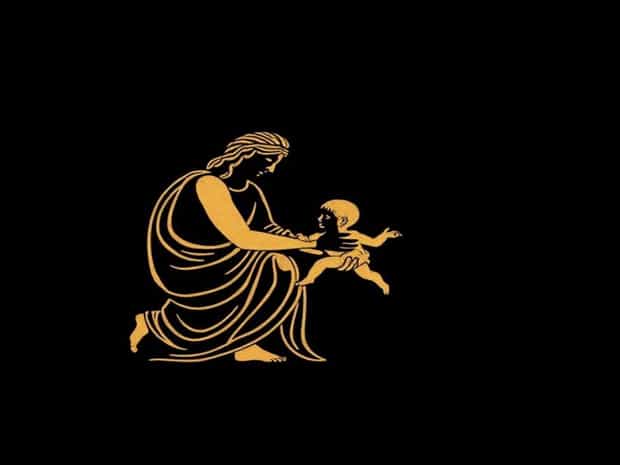
Hermes And The Infant Dionysus
Among the many myths of ancient Greece, the story of Hermes and the infant Dionysus holds a special place. It combines mythology, divine protection, and artistic heritage into a single narrative that has been retold for centuries. This tale not only highlights the relationship between gods but also reveals how Greek artists and sculptors immortalized their mythology in timeless works of art. The story is deeply tied to the themes of transformation, guardianship, and divine playfulness, making it both symbolic and enduring in cultural memory.
The Mythological Context
Greek mythology is filled with gods who interact with mortals, heroes, and one another in dramatic ways. Dionysus, the god of wine, fertility, and theater, had a complicated beginning. His birth was surrounded by divine conflict, secrecy, and danger. Zeus, the king of the gods, fathered Dionysus, but Hera, Zeus’s jealous wife, sought to destroy the child. To protect him, the infant Dionysus was entrusted to Hermes, the clever messenger god known for his speed, cunning, and role as a protector of travelers and children.
Hermes as Protector
Hermes is often seen as a trickster, but he also embodies loyalty and quick thinking. When charged with safeguarding the infant Dionysus, Hermes transported him away from Hera’s wrath and delivered him to safe caretakers. This protective mission shows a softer and more nurturing side of Hermes, balancing his usual mischievous personality with compassion and responsibility.
The Artistic Representation
One of the most famous depictions of this myth is the classical sculpture known asHermes and the Infant Dionysus. This marble statue, attributed to the renowned sculptor Praxiteles, was discovered in Olympia in 1877. It captures the moment Hermes holds the young Dionysus while playfully teasing him with a bunch of grapes, symbolizing the child’s future role as the god of wine and revelry.
Praxiteles and His Style
Praxiteles, a master sculptor of the 4th century BCE, was celebrated for his ability to create lifelike and graceful representations of gods. In this sculpture, Hermes is shown with a relaxed posture, gently holding the infant. The contrast between Hermes’s strong adult form and the delicate, vulnerable child emphasizes both protection and intimacy. This balance of strength and tenderness is a hallmark of Praxiteles’ style.
Symbolism of Grapes
The grapes in the sculpture are not merely decorative. They foreshadow Dionysus’s divine role as the bringer of wine, joy, and ecstasy to humanity. The gesture of Hermes teasing the child with grapes also represents the playful bond between gods, showing that even divine figures engage in moments of tenderness and amusement.
Cultural and Religious Meaning
The story of Hermes and Dionysus is more than a myth it reflects Greek cultural values. It underscores the importance of protection, especially for those destined to play significant roles in society. Dionysus, though vulnerable as an infant, was fated to become a powerful god who shaped festivals, rituals, and even the development of theater. Hermes’s role as guardian ensured that fate was fulfilled despite obstacles.
Dionysus’s Future Significance
Dionysus grew to embody transformation, breaking boundaries between order and chaos. His cult spread widely in the ancient world, and his worship often involved ecstatic rituals that blurred the line between divine experience and human emotion. Without Hermes’s intervention, this future might have been cut short. The myth reminds listeners that divine destinies often hinge on small acts of protection and loyalty.
Archaeological Discovery
The discovery of theHermes and the Infant Dionysusstatue in Olympia gave scholars invaluable insight into Greek art and mythology. Although parts of the sculpture were damaged over time, its preservation is remarkable. It remains a centerpiece of Greek art history and is admired for its craftsmanship, detail, and emotional resonance.
Features of the Sculpture
- Naturalistic anatomy showcasing Praxiteles’ skill
- Contrapposto stance giving Hermes a relaxed, lifelike posture
- Soft expressions that highlight intimacy between the figures
- Symbolic grapes as a key element in foreshadowing Dionysus’s role
Interpretations Over Time
Throughout history, the story of Hermes and Dionysus has been interpreted in different ways. Some see it as a tale of divine protection, while others focus on the symbolism of growth and destiny. The artistic representation also invites interpretations about beauty, balance, and the humanization of divine figures. By showing Hermes not in action or trickery but in care and guardianship, the story emphasizes the complexity of Greek gods and their roles in mythology.
The Legacy of the Myth
The myth and sculpture continue to inspire scholars, artists, and admirers of classical culture. The bond between Hermes and Dionysus is remembered as one of the most touching representations of care in Greek mythology. Beyond its immediate narrative, it speaks to broader human themes the need for guardianship, the unpredictability of fate, and the delicate balance between vulnerability and strength.
Modern Influence
Even in modern times, references to Hermes and Dionysus appear in literature, art, and psychology. Dionysus represents the ecstatic and emotional side of human nature, while Hermes embodies wit, communication, and guidance. Together, their story symbolizes how protection and playfulness can coexist with destiny and transformation.
The tale of Hermes and the infant Dionysus is a profound example of Greek mythology’s ability to blend storytelling, symbolism, and artistry. From the myth itself to Praxiteles’ sculpture, it continues to resonate as a reminder of divine protection, playful intimacy, and the unfolding of destiny. By protecting Dionysus, Hermes ensured that one of the most influential gods of Greek culture could fulfill his role. This narrative, immortalized in both myth and marble, stands as a lasting testament to the richness of Greek mythological tradition and the artistry that celebrated it.