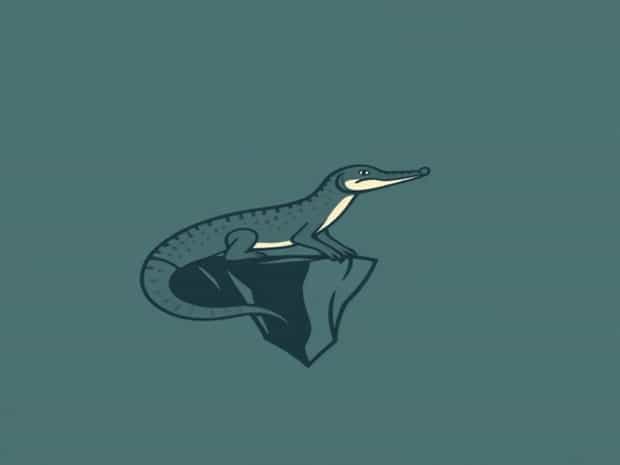
Gharial On The Brink
The gharial, a unique crocodilian species with its long, slender snout, is one of the most fascinating reptiles in the world. Once thriving across rivers of the Indian subcontinent, the species is now teetering on the edge of extinction. Known scientifically asGavialis gangeticus, the gharial has suffered dramatic declines due to habitat loss, declining fish populations, and human interference. Its story is a reminder of how fragile freshwater ecosystems can be and how human activity continues to threaten biodiversity. Understanding why the gharial is on the brink is vital if we hope to preserve this extraordinary creature for future generations.
The Distinctive Features of the Gharial
The gharial stands apart from other crocodilian species due to its physical characteristics. Unlike the broad-snouted crocodile or alligator, the gharial has a long, narrow snout filled with over 100 sharp teeth, perfectly adapted for catching fish. This unique adaptation reflects its specialized lifestyle in river systems. Males are also distinguished by a bulbous growth at the tip of their snout, known as the ghara, which plays a role in vocalization and dominance displays.
Adaptation to River Life
The gharial is one of the most aquatic of crocodilian species. Its body is streamlined for swimming, and while it can haul itself onto sandbanks for basking, it is far less agile on land compared to crocodiles and alligators. This specialization means that the gharial depends heavily on healthy river ecosystems and abundant fish populations for survival.
Historical Range and Decline
Historically, the gharial ranged widely across the rivers of Pakistan, India, Nepal, Bhutan, and Myanmar. It once numbered in the tens of thousands. However, over the past century, its population has collapsed to fewer than a thousand individuals in the wild. Today, the majority of surviving gharials are found in fragmented river systems within northern India and Nepal.
Major Causes of Decline
- Habitat LossDams, irrigation projects, and sand mining have destroyed and fragmented river habitats crucial for gharials.
- Declining Fish PopulationsOverfishing and pollution reduce the gharial’s food supply, making survival increasingly difficult.
- Egg CollectionIn many areas, gharial eggs have been harvested for food or traditional medicine.
- Human DisturbanceRiverbank agriculture, sand extraction, and boat traffic disturb basking and nesting sites.
The Role of Rivers in Gharial Survival
Rivers are the lifeline of the gharial. Unlike other crocodilians, the gharial rarely leaves water for long. It requires wide, unpolluted rivers with sandy banks for nesting and sunbathing. Unfortunately, many of these habitats have been altered or destroyed. Human encroachment, industrial waste, and agricultural runoff have turned once-pristine rivers into hostile environments for this sensitive species.
The Importance of Sandbanks
Sandbanks are critical for gharials, as they provide nesting grounds for females and basking areas where gharials regulate their body temperature. When sandbanks are destroyed by dredging or construction, gharials lose vital spaces necessary for reproduction and survival.
Conservation Efforts to Save the Gharial
Despite its precarious status, efforts are underway to protect the gharial. Conservationists and governments have recognized its importance as a flagship species for river health. Protecting the gharial also means protecting rivers that support millions of people.
Captive Breeding Programs
Since the 1970s, breeding programs have been established in India and Nepal to prevent the complete extinction of the gharial. Eggs collected from wild nests are hatched in controlled environments, and the young are reared until they are large enough to be released into rivers. While these programs have boosted numbers, habitat destruction still limits long-term success.
Protected Areas
National parks and sanctuaries, such as the Chambal River Sanctuary in India, play a key role in gharial conservation. These areas provide safe habitats where gharials can feed, breed, and thrive without constant human disturbance.
Community Involvement
Local communities are vital to the survival of the gharial. Awareness campaigns help reduce egg harvesting and encourage river-friendly practices. Fishermen are also being educated about the importance of sustainable fishing, which helps maintain the gharial’s food supply.
Challenges That Remain
Despite these efforts, the gharial remains critically endangered. Reintroduction programs face difficulties because rivers continue to face pollution, damming, and human disturbance. Without addressing the root causes of habitat loss, even the best breeding programs cannot secure the gharial’s future.
Pollution and Industrial Waste
One of the greatest threats to gharial survival is pollution. Toxic chemicals from factories, untreated sewage, and plastic waste poison rivers. Gharials often ingest plastics that resemble fish, leading to injury or death. Clean rivers are essential not just for gharials, but for human health as well.
Conflicts with Humans
Although gharials are harmless to humans, they are often caught in fishing nets or killed by mistake. Expanding human settlements along rivers further reduces their living space, bringing them into more frequent conflict with people.
The Ecological Importance of the Gharial
Beyond being a fascinating species, the gharial plays an important role in river ecosystems. As a top predator, it helps maintain healthy fish populations and balance within the aquatic food chain. The decline of the gharial is not just a loss of one species it signals the collapse of entire river ecosystems that sustain wildlife and people alike.
A Flagship Species
The gharial is considered a flagship species for freshwater conservation. By focusing on saving the gharial, conservationists also protect river ecosystems that benefit countless other species, from fish to birds and mammals. Healthy rivers mean healthy communities for all forms of life.
What Can Be Done Moving Forward
Saving the gharial requires a multi-faceted approach that addresses both human and environmental needs. Conservation cannot succeed without cooperation between governments, local communities, and international organizations. The fate of the gharial ultimately depends on how society manages rivers in the years to come.
Key Steps for Conservation
- Protect and restore natural river habitats with strict anti-pollution measures.
- Strengthen protected areas and create new sanctuaries in key river systems.
- Enhance captive breeding and reintroduction programs with better monitoring.
- Promote sustainable fishing practices to ensure healthy fish populations.
- Raise awareness globally about the plight of the gharial.
The gharial on the brink of extinction represents both a warning and an opportunity. It warns us of the destructive impact of habitat loss, pollution, and unchecked development. At the same time, it offers the opportunity to unite conservation with sustainable river management. If saved, the gharial can continue to serve as a living symbol of resilience, adaptation, and the interconnectedness of all life. The survival of this ancient reptile depends on the choices made today, choices that will determine whether future generations will still see gharials gliding gracefully through South Asia’s rivers or only read about them in history books.
Apakah kamu mau saya tambahkanpenjelasan singkat tentang mitologi atau simbolisme gharialdalam budaya lokal agar artikelnya terasa lebih kaya dan mendalam?