What Does Typewrite Mean
The word typewrite may sound a little unusual in today’s world of laptops and touchscreens, but it has a fascinating history and meaning. It is directly connected to the invention and use of the typewriter, a revolutionary machine that changed the way people wrote, worked, and communicated. Even though the term is not as common in modern speech, understanding what typewrite means can help us appreciate the development of technology, language, and office culture. It also provides insight into how words evolve over time to reflect the tools we use in daily life.
Definition of Typewrite
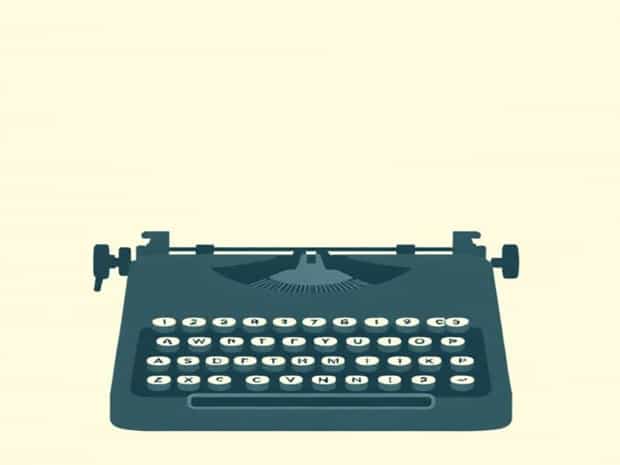
To typewrite means to write using a typewriter. The word combines type, which refers to printed characters, and write, which means to form letters or compose text. Unlike handwriting, which relies on pen and paper, typewriting involves pressing keys on a machine to produce uniform characters on a sheet of paper. The action of creating words by pressing keys is the essence of typewriting. While the term may sound dated now, it was once a widely used verb in offices, schools, and homes during the late 19th and much of the 20th century.
Origins of the Word
The verb typewrite emerged from the invention of the typewriter. The first commercially successful typewriter was introduced in the 1870s, and with it came the need for a verb to describe the act of using the device. Just as we use the verb to text when referring to sending a message on a phone, people once commonly used to typewrite to describe creating a document with a typewriter. Over time, as typewriters became essential in businesses and government institutions, the verb was a natural part of everyday vocabulary.
Typewriting vs. Typing
One question that often arises is the difference between typewrite and type. While both words are related, they are not entirely the same
- TypewriteRefers specifically to writing with a typewriter.
- TypeA broader word that can mean pressing keys on a keyboard, entering data, or creating printed text, whether on a typewriter, computer, or digital device.
As technology evolved, typing gradually replaced typewriting because it applied to more than just typewriters. Today, most people say they are typing when they use a computer or smartphone, but historically, typewrite was the original term for this activity.
The Importance of Typewriting in History
Typewriting was more than just a method of putting words on paper. It transformed workplaces, education, and communication. Before typewriters, all documents had to be handwritten, which was time-consuming and often hard to read. Typewriters introduced speed, efficiency, and consistency. Business letters, legal contracts, and official reports became clearer and more professional. Typewriting also created new job opportunities, especially for women, who entered the workforce in large numbers as stenographers and secretaries.
Examples of Typewrite in Sentences
Here are some ways the word can be used to understand its meaning
- She learned how to typewrite at business school before becoming a secretary.
- In the 1920s, it was common for students to practice how to typewrite quickly and accurately.
- He prefers to typewrite his manuscripts instead of handwriting them.
- The sound of keys clicking reminds me of the days when people would typewrite late into the night.
How Typewriting Changed Communication
The ability to typewrite documents quickly and neatly changed the pace of communication. Letters could be prepared in less time, contracts could be duplicated, and offices could handle large volumes of correspondence with ease. Newspapers and publishing houses also benefited from the efficiency of typewriters. Typewriting helped modernize industries and laid the foundation for digital word processing that we rely on today.
The Skill of Typewriting
Before computers, learning how to typewrite was an essential skill. Schools offered typing classes where students practiced on typewriters to build speed and accuracy. Mastery of typewriting often determined employment opportunities, especially in clerical and administrative roles. There were even standardized tests to measure how many words per minute a person could typewrite. These skills were considered just as important as spelling or grammar in professional settings.
From Typewriting to Typing
As technology advanced, the verb typewrite gradually fell out of common usage. Computers replaced typewriters in offices by the late 20th century, and keyboards became the new tool for creating documents. The word typing was more versatile and easily adapted to new machines. However, the transition did not erase the cultural memory of typewriting. The click-clack rhythm of a typewriter remains iconic, and many writers still enjoy typewriting for its nostalgic and tactile experience.
Typewriting in Modern Times
Although typewriters are no longer mainstream, some enthusiasts continue to use them. Collectors, writers, and hobbyists appreciate the mechanical feel and the simplicity of typewriting. In this context, the verb typewrite is still relevant, even if it sounds old-fashioned to younger generations. For example, an author might say they prefer to typewrite their drafts because it helps them focus without the distractions of digital devices.
Symbolism of Typewriting
Typewriting has also become a symbol in literature and popular culture. It often represents creativity, discipline, and the craft of writing. Movies and novels sometimes feature characters who typewrite manuscripts, giving a sense of tradition and dedication. The word itself carries a sense of history, linking the mechanical age of communication to today’s digital era.
Why Understanding Typewrite Matters
Even though typewrite is less common today, knowing what it means enriches our understanding of how language adapts to technology. Just as to dial was once tied to rotary phones but still survives in modern speech, typewrite reflects a specific era of communication history. It reminds us of the impact that machines have on the words we use and the ways we express ourselves.
Examples of Related Expressions
Over time, the concept of typewriting has led to several related terms
- TypewriterThe machine itself.
- TypewritingThe act or skill of writing with a typewriter.
- TypewrittenA document produced by a typewriter.
These terms remain recognizable even if they are not part of everyday vocabulary. They highlight the connection between the verb typewrite and the larger world of written communication.
The word typewrite may not be as widely used as it once was, but it holds an important place in the history of language and technology. It specifically describes writing with a typewriter, an invention that shaped modern communication and workplace culture. While the rise of computers and smartphones has shifted our vocabulary toward typing, the legacy of typewriting lives on. It represents an era of precision, professionalism, and progress that paved the way for today’s digital tools. By exploring the meaning of typewrite, we gain a deeper appreciation for the ways words and machines work together to change how we communicate.