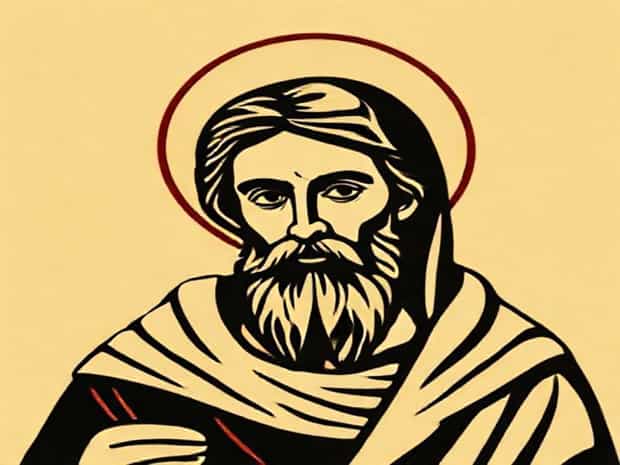
First Apostle To Be Martyred
The history of the early Christian Church is marked by extraordinary courage and unwavering faith, particularly among the apostles who laid the foundation for spreading the message of Jesus Christ. Among these devoted followers, one apostle is recognized as the first to face martyrdom, a fate that underscores the seriousness of their mission and the cost of unwavering faith. Understanding who this apostle was, the circumstances of his death, and the significance of his sacrifice provides valuable insight into the early Church and the enduring legacy of those who were willing to die for their belief in Christ. Martyrdom in the early Church was not only a personal trial but also a powerful testimony that inspired countless others to follow the path of faith.
Identifying the First Apostle to Be Martyred
According to historical and biblical records, the apostle James, son of Zebedee, is widely recognized as the first of the original twelve apostles to be martyred. His death is recorded in Acts 121-2, which states that King Herod Agrippa I executed James by the sword. This act of persecution was part of a broader attempt to suppress the growing Christian movement in Jerusalem. James had been a close companion of Jesus, witnessing miracles, teachings, and the transformative events of the ministry firsthand. His martyrdom illustrates the immediate dangers faced by early believers and the willingness of the apostles to remain steadfast in their faith despite mortal threats.
James the Apostle Life and Ministry
James, along with his brother John, was a fisherman before being called by Jesus to follow Him. Known for their zealous nature, James and John were nicknamed Boanerges,” meaning “sons of thunder,” reflecting their passionate character and dedication to the mission of Christ. Throughout Jesus’ ministry, James played a prominent role, often present at key events such as the Transfiguration and the Garden of Gethsemane. His close relationship with Jesus and his active role in spreading the gospel positioned him as a significant leader among the apostles, making his eventual martyrdom a moment of great impact for the early Christian community.
The Circumstances of James’ Martyrdom
James’ execution took place under the reign of Herod Agrippa I, a ruler known for his efforts to gain favor with Jewish authorities by persecuting early Christians. Acts 121-2 explains that Herod had James killed by the sword, a method typically reserved for high-profile or politically significant individuals. The public nature of James’ death served as both a warning to other believers and a testament to the strength of his faith. Despite the threat, James had been actively proclaiming the message of Christ, demonstrating his courage and unwavering commitment to the gospel even in the face of death.
Significance of Being the First Martyr
Being the first apostle to be martyred, James set a precedent for the faithfulness and endurance required of early Christians. His death marked the beginning of a period of intense persecution against the apostles and followers of Jesus, showing that belief in Christ often came with great personal risk. James’ martyrdom also served as a powerful testimony to the authenticity and transformative nature of the gospel. The willingness to die for one’s faith demonstrates the depth of conviction and serves as a model for future generations of Christians who may face trials or opposition for their beliefs.
Impact on the Early Church
The martyrdom of James had a profound effect on the early Church in several ways. First, it strengthened the resolve of the remaining apostles and followers, reinforcing the importance of courage and faithfulness. Second, it inspired new converts by highlighting the seriousness of the gospel and the transformative power of belief in Jesus Christ. Finally, it demonstrated that the message of Christ could not be easily suppressed by political or social pressures. The story of James’ sacrifice spread throughout early Christian communities, encouraging believers to remain steadfast in their own faith journeys.
Lessons from James’ Martyrdom
The life and death of James offer several lessons for both historical understanding and modern Christian practice
- Courage in FaithStanding firm in belief, even under threat, is a powerful testimony.
- Commitment to MissionTrue discipleship involves prioritizing the message of Christ over personal safety.
- Inspiration for OthersActs of faith and sacrifice can encourage others to pursue spiritual growth.
- Legacy of LeadershipJames’ example reinforced the importance of apostleship and leadership rooted in conviction and integrity.
Historical and Theological Perspectives
From a historical perspective, James’ martyrdom is corroborated by both biblical accounts and early Christian writings, emphasizing its authenticity and significance. Theologically, his death exemplifies the concept of witness, or “martyria,” in the early Church. A martyr’s life and death serve as a testimony to the power and truth of God’s message. James’ willingness to lay down his life reflects the ultimate expression of faith, demonstrating that allegiance to God surpasses all earthly concerns. His martyrdom has been commemorated by Christian traditions worldwide, underscoring the enduring impact of his sacrifice.
Comparisons to Other Apostolic Martyrs
While James was the first apostle to be martyred, other apostles, such as Peter, Paul, and John, also faced persecution and death for their faith. Comparing these accounts highlights patterns of courage, dedication, and the strategic spread of Christianity despite opposition. James’ early martyrdom, in particular, set a precedent and provided a model for other apostles to endure suffering with faith and resilience. Understanding these patterns gives insight into the development of early Christian communities and the role of martyrdom in sustaining and expanding the faith.
Modern Reflections on Apostolic Martyrdom
Today, the story of James’ martyrdom continues to inspire believers facing trials, persecution, or challenges in their spiritual journey. His example reminds Christians that faith often requires courage and sacrifice, and that commitment to God can have transformative power in personal and communal life. Modern believers can draw strength from James’ unwavering dedication, applying the principles of courage, integrity, and mission to their own lives. By reflecting on the first apostle to be martyred, contemporary Christians are encouraged to prioritize their faith, maintain perseverance, and embody the values of early Church leaders.
Encouraging Faith and Commitment
The legacy of James’ martyrdom encourages ongoing devotion, community support, and spiritual growth. Churches, educational programs, and Christian literature frequently highlight his story to reinforce the importance of courage and faithfulness. By studying the life of the first apostle to be martyred, believers gain a deeper understanding of the cost of discipleship, the rewards of steadfast faith, and the ways in which God uses sacrifice to strengthen His Church. James’ life serves as a timeless reminder that faith, even unto death, can leave a profound impact on the world.
James, son of Zebedee, holds a significant place in Christian history as the first apostle to be martyred. His courage, dedication, and ultimate sacrifice illustrate the seriousness of early Christian discipleship and the powerful testimony that martyrdom provides. Understanding the circumstances of his death, the impact on the early Church, and the lessons drawn from his life offers inspiration for believers today. James’ legacy demonstrates that faith is not passive but active, often requiring courage, sacrifice, and unwavering commitment to God’s mission. By reflecting on the life and martyrdom of James, Christians are reminded of the enduring power of faith and the transformative influence of standing firm in belief, even in the face of ultimate adversity.
“