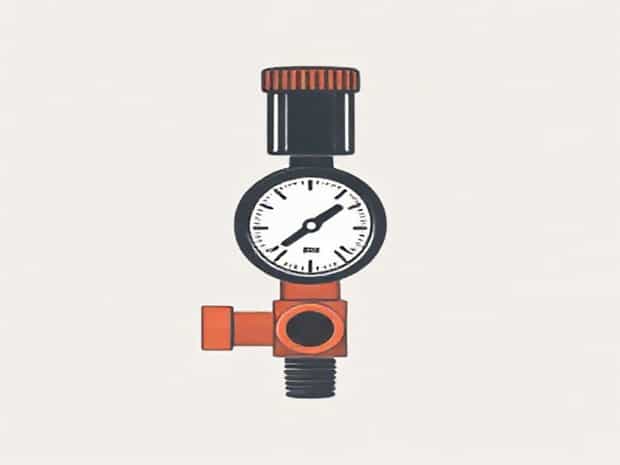
Original Drip Irrigation Pressure Regulator
When it comes to efficient irrigation systems, one of the most crucial components is the original drip irrigation pressure regulator. This small yet highly significant device ensures that water is delivered consistently at the right pressure to crops, gardens, or landscaping areas. Without a proper pressure regulator, drip irrigation systems can experience problems such as uneven water distribution, damaged tubing, or excessive water wastage. Understanding what makes the original drip irrigation pressure regulator different, why it is needed, and how it works can help farmers, landscapers, and gardeners maintain healthier plants and conserve water effectively.
What is a Drip Irrigation Pressure Regulator?
A drip irrigation pressure regulator is a device designed to control and stabilize the water pressure entering a drip irrigation system. Since many water sources provide pressure that is too high for drip lines and emitters, the regulator ensures the pressure stays within the recommended range. The original drip irrigation pressure regulator is specifically engineered to match manufacturer specifications, offering reliable and consistent performance that supports long-term system efficiency.
Why the Original Drip Irrigation Pressure Regulator Matters
Not all pressure regulators are created equal. Using the original version designed by the irrigation system manufacturer ensures compatibility, durability, and efficiency. The original drip irrigation pressure regulator is tested to meet precise flow rates and withstand environmental conditions that generic alternatives may not handle well.
- ConsistencyMaintains steady water flow regardless of changes in input pressure.
- LongevityDesigned with durable materials to last in outdoor environments.
- CompatibilityPerfectly matched to the tubing and emitters of the drip system.
- EfficiencyReduces risk of leaks, bursts, or uneven watering.
Materials Used in Original Drip Irrigation Pressure Regulators
The original drip irrigation pressure regulator is commonly made from high-quality engineering plastics and corrosion-resistant materials. These materials are selected for their ability to withstand exposure to sunlight, moisture, and fertilizers without degrading quickly. The internal mechanisms are often reinforced with stainless steel springs or diaphragms to provide consistent control over pressure.
Durability Against Harsh Conditions
Because irrigation systems are exposed to outdoor conditions, regulators need to withstand UV rays, temperature changes, and contact with waterborne minerals. Original models typically go through rigorous testing to ensure they can handle these factors over many years of use.
How the Pressure Regulator Works
The operation of an original drip irrigation pressure regulator is simple yet highly effective. When water enters the regulator at high pressure, an internal spring and diaphragm system automatically adjust the flow. This reduces the output pressure to a stable level, typically around 10-30 PSI depending on the model. By doing this, the regulator protects the drip lines and emitters from pressure spikes that could otherwise cause damage.
Steps of Regulation
- Water enters the regulator from the main supply at high pressure.
- The internal spring applies force against a diaphragm to reduce flow.
- The diaphragm adjusts based on the input pressure, maintaining balance.
- Water exits the regulator at a steady, safe pressure for drip irrigation use.
Benefits of Using the Original Drip Irrigation Pressure Regulator
Investing in the original pressure regulator comes with several advantages that directly impact crop yield, water conservation, and system maintenance. These benefits make the regulator an essential component for anyone seeking to optimize their irrigation setup.
Water Conservation
Since drip irrigation is already designed to minimize waste, the original regulator ensures that water delivery remains precise. Over time, this leads to significant water savings, especially in regions where water is scarce.
Protecting System Components
Emitters and tubing can easily become damaged under high pressure. With a proper regulator in place, these components last longer, reducing replacement costs and maintenance needs.
Improved Plant Health
Uneven watering can cause plants to suffer from root diseases, nutrient imbalance, or drought stress. The original drip irrigation pressure regulator promotes consistent water delivery, leading to healthier and more productive plants.
Applications of Original Drip Irrigation Pressure Regulators
These regulators are used in a wide range of settings, from small home gardens to large-scale agricultural operations. Their versatility and reliability make them a standard component in irrigation design.
- Residential gardensHomeowners use regulators to water flower beds, lawns, and vegetable gardens.
- Commercial landscapesLandscapers install them to ensure efficient irrigation in parks and commercial properties.
- Agricultural fieldsFarmers rely on regulators to maintain crop irrigation across large areas.
- GreenhousesControlled environments benefit from steady water delivery for sensitive plants.
Choosing the Right Pressure Regulator
When selecting an original drip irrigation pressure regulator, it is important to consider factors such as flow rate, pressure rating, and system size. Matching the regulator to the irrigation system ensures that it performs effectively without restricting water flow.
Common Pressure Ratings
Most original regulators are available in different ratings, such as 10 PSI, 15 PSI, 20 PSI, and 30 PSI. The correct choice depends on the specific needs of the crops or landscaping being irrigated.
Maintenance and Care
While original drip irrigation pressure regulators are designed for durability, regular inspection and cleaning can help extend their lifespan. Removing debris, checking for leaks, and ensuring proper installation all contribute to long-term efficiency.
The original drip irrigation pressure regulator may appear to be a small part of an irrigation system, but its role is essential for maintaining efficiency, conserving water, and ensuring plant health. By controlling water pressure and delivering consistent results, it supports both residential and commercial applications. Choosing the original model ensures durability, compatibility, and peace of mind for anyone looking to build or upgrade a drip irrigation system. In the long run, this investment pays off through better crop yields, reduced water waste, and lower maintenance costs, making it a critical component in modern irrigation practices.