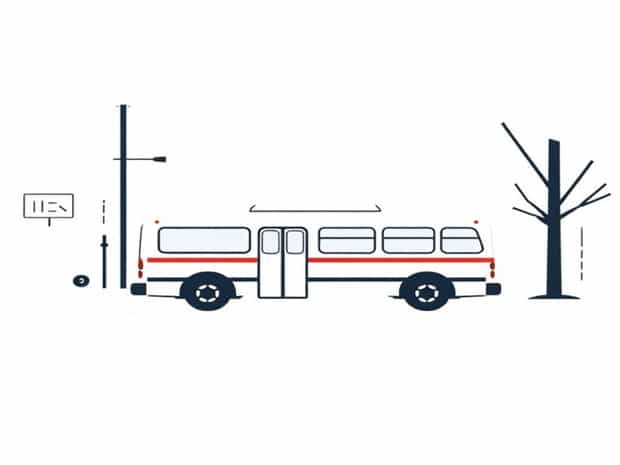
Chicago Public School Busing Alternatives
Chicago is one of the largest urban school districts in the United States, serving hundreds of thousands of students every year. With such a vast system, student transportation is a critical issue for families. Traditionally, busing has been the primary method for ensuring students can access schools across neighborhoods. However, challenges such as cost, efficiency, and logistical concerns have led parents and administrators to consider Chicago Public School busing alternatives. From public transit options to walking school buses and carpool networks, families are exploring ways to make student transportation more effective and reliable while still prioritizing safety and accessibility.
Background of Student Transportation in Chicago
Chicago Public Schools (CPS) has long relied on busing services to provide equitable access to education. Busing helps students attend magnet schools, selective enrollment programs, and neighborhood schools that may be far from their homes. However, in recent years, issues such as driver shortages, increased fuel costs, and scheduling delays have caused disruptions. This has pushed both the district and families to look for viable alternatives to traditional yellow school buses.
Why Alternatives Are Being Explored
The search for Chicago Public School busing alternatives is driven by several important factors
- Driver shortagesMany districts nationwide, including CPS, face a lack of qualified bus drivers, leading to canceled routes or delayed pick-ups.
- Rising costsMaintaining a large fleet of buses is expensive, and budget constraints often limit available resources.
- Equity concernsSome students experience long commutes, which can affect their academic performance and daily routines.
- Environmental impactBuses contribute to traffic congestion and emissions, motivating the exploration of greener alternatives.
These challenges highlight the need for innovative and sustainable transportation solutions that benefit students, families, and the city as a whole.
Public Transit as an Alternative
One of the most common alternatives to traditional busing in Chicago is the use of public transportation. With the extensive Chicago Transit Authority (CTA) network of buses and trains, many high school students already use public transit to get to school. CPS has partnered with CTA in the past to provide student discount passes, making this option more affordable for families.
Advantages of public transit include
- Greater flexibility in scheduling and routes.
- Opportunities for students to develop independence and time management skills.
- Cost savings for the district compared to maintaining its own bus fleet.
While public transit is not suitable for very young children, it is a practical solution for older students who can navigate the system safely.
Walking School Buses
Another innovative approach is the walking school bus model, where groups of students walk to school together under the supervision of trusted adults or volunteers. This option is particularly effective in neighborhoods where schools are within a reasonable walking distance from home. The concept promotes physical activity, reduces traffic congestion near schools, and builds a sense of community among families.
Key benefits of walking school buses include
- Improved student health through daily exercise.
- Reduced reliance on motorized transportation.
- Stronger neighborhood connections and safety through adult supervision.
Carpooling Networks
Carpooling has become an increasingly popular choice for families seeking Chicago Public School busing alternatives. Parents in the same neighborhood often coordinate schedules to share rides to and from school. Technology has also made this easier, with mobile apps and school-based platforms connecting families who want to organize carpools.
Carpooling advantages include
- Reduced traffic congestion around school drop-off and pick-up zones.
- Lower transportation costs for families by sharing fuel expenses.
- Greater reliability in comparison to sometimes inconsistent bus schedules.
However, carpooling requires trust and strong coordination among families, making communication a vital component of its success.
Biking to School
In recent years, cycling has gained traction as a practical alternative. With bike lanes expanding throughout Chicago, more students are encouraged to bike to school. Schools and local organizations often provide bike safety workshops and encourage helmet use to promote safe cycling habits.
Advantages of biking to school include
- Environmental sustainability with zero emissions.
- Health benefits through regular exercise.
- Independence for students living within a manageable biking distance.
To make biking more effective, schools and city planners can invest in secure bike racks and safe biking routes that prioritize student safety.
Ride-Sharing Partnerships
Some districts across the United States have begun experimenting with ride-sharing companies as a complement to school transportation. In Chicago, discussions around this concept highlight potential benefits like flexibility, on-demand rides, and smaller vehicle fleets compared to traditional buses. Specialized ride-sharing services for students often include vetted drivers and safety measures tailored to children.
While this option is still in its early stages, it represents a promising avenue for the future of Chicago Public School transportation.
Specialized Shuttle Services
Private shuttle companies have also emerged as an alternative for certain schools and communities. These services often operate on smaller routes with minivans or vans, providing more direct transportation compared to large buses. Parents may pay fees for these services, but the increased reliability and convenience make them appealing for some families.
Challenges of Implementing Alternatives
While Chicago Public School busing alternatives provide hope for improved transportation, several challenges remain
- Ensuring safety and accountability with private or community-based solutions.
- Making transportation affordable for families from all income levels.
- Coordinating logistics across a large urban area with diverse needs.
- Balancing independence for older students with the supervision required for younger ones.
Addressing these issues requires cooperation between CPS, city officials, families, and community organizations.
The Role of Community Involvement
Community involvement is central to the success of transportation alternatives. Parents, volunteers, and local groups often play an active role in organizing walking school buses, carpools, and neighborhood support systems. By strengthening collaboration, communities can help fill the gaps left by traditional busing and create safer, more sustainable solutions for students.
Future Outlook
The future of student transportation in Chicago is likely to include a mix of traditional buses and alternatives tailored to specific neighborhoods and age groups. Innovations in technology, increased investment in public transit, and community-driven solutions will continue to shape how students get to school. As families seek dependable and cost-effective options, CPS will need to adapt policies and resources to support a variety of transportation models.
Chicago Public School busing alternatives are more than just backup options; they are essential components of a modern transportation system that values safety, accessibility, and sustainability. From public transit and carpools to biking and walking initiatives, families have a growing number of choices. By embracing diverse approaches, Chicago can ensure that students have reliable access to education while building stronger communities and reducing environmental impact. The search for alternatives reflects the city’s ongoing commitment to supporting student success both inside and outside the classroom.