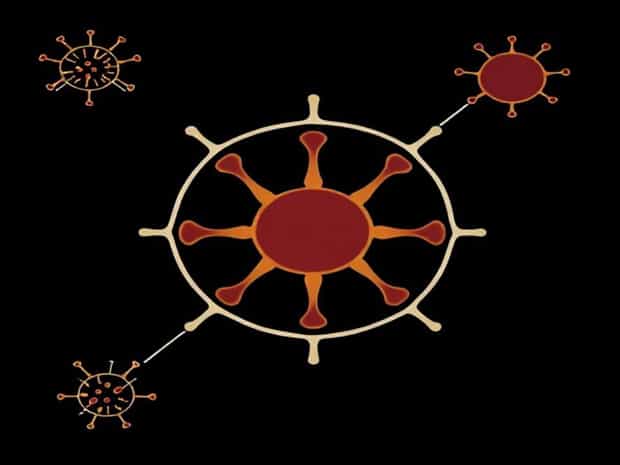
Chemical Barriers Of Innate Immunity
The human body is equipped with several defense mechanisms to protect itself from harmful pathogens such as bacteria, viruses, and fungi. One of the most crucial systems is innate immunity, which acts as the body’s first line of defense. Unlike adaptive immunity, innate immunity is not specific to particular invaders and works immediately when a threat is detected. Among its many components, chemical barriers play a key role in preventing infections before they can spread or cause harm. These chemical defenses are found throughout the body and function in harmony with physical and biological barriers to keep us healthy.
Understanding Chemical Barriers of Innate Immunity
Chemical barriers of innate immunity refer to substances and compounds produced by the body that directly neutralize, kill, or inhibit pathogens. They act quickly and are present in various parts of the body, such as the skin, saliva, stomach, and mucosal surfaces. By maintaining unfavorable conditions for microbial growth, these barriers serve as an essential part of overall immune protection.
Major Types of Chemical Barriers
Skin Secretions
The skin is not just a physical shield; it also produces several chemical agents that make the surface inhospitable to pathogens. Sweat and sebaceous glands release secretions containing fatty acids and lactic acid, which lower the pH of the skin. This acidic environment prevents harmful microbes from thriving. Additionally, antimicrobial peptides called defensins are produced on the skin surface, directly killing bacteria and fungi.
Lysosome and Enzymes in Tears and Saliva
Tears and saliva provide more than lubrication and moisture; they contain important enzymes that contribute to innate immunity. Lysozyme, an enzyme found in both tears and saliva, can break down the cell walls of certain bacteria, leading to their destruction. This is one of the most well-known examples of a chemical barrier in the human body. Other enzymes in saliva also help control microbial populations in the mouth.
Acidic Environment of the Stomach
The stomach is a hostile environment for most microorganisms because of its highly acidic gastric juices. Hydrochloric acid (HCl) secreted in the stomach maintains a pH level of around 1.5 to 3.5, which is strong enough to kill many ingested pathogens. In addition to acid, digestive enzymes like pepsin contribute to the breakdown of proteins in microbes, adding another layer of chemical protection.
Defensins and Antimicrobial Peptides
Defensins and other antimicrobial peptides (AMPs) are small proteins produced by epithelial cells and immune cells. These molecules work by disrupting the membranes of bacteria, fungi, and even some viruses, effectively killing them. They are found in the respiratory tract, skin, gastrointestinal tract, and urinary tract, forming a wide-ranging defense network.
Complement Proteins
The complement system is a group of proteins circulating in the blood that are part of innate immunity. When activated, these proteins trigger a cascade of reactions that result in the lysis of pathogens, inflammation, and recruitment of immune cells. Complement proteins can also tag pathogens, making them easier for immune cells like macrophages to recognize and destroy.
Chemical Barriers in Specific Body Regions
Respiratory Tract
The respiratory system is constantly exposed to airborne ptopics and microorganisms. Chemical defenses here include mucus secretions that trap microbes, along with antimicrobial substances like defensins and lactoferrin. Additionally, epithelial cells produce nitric oxide, which has antimicrobial effects and helps keep the airways clear of harmful invaders.
Genitourinary Tract
The genitourinary tract is protected by acidic pH levels, particularly in the vaginal environment, where lactic acid produced by beneficial bacteria creates conditions unfavorable for pathogens. In males, secretions in the urinary tract also contain antimicrobial substances that protect against infection.
Gastrointestinal Tract
In addition to stomach acid, the intestines also rely on chemical defenses. Bile salts have antimicrobial properties, and intestinal cells secrete defensins and other peptides. The mucus layer lining the gut acts as both a physical and chemical barrier, trapping microbes and exposing them to antimicrobial compounds.
Role of pH in Chemical Defense
One of the simplest but most effective chemical barriers is the regulation of pH in different body environments. For example, the skin maintains a slightly acidic pH, the stomach an extremely acidic one, and the vaginal canal an acidic environment as well. These pH levels prevent the growth of many harmful organisms while allowing beneficial microbes to thrive.
Interaction with Other Barriers
Chemical barriers do not function in isolation. They work alongside physical barriers like the skin and mucous membranes, as well as biological barriers such as the microbiota. For example, the normal flora in the gut not only competes with pathogens but also produces chemicals that inhibit their growth. This cooperative action strengthens innate immunity.
Importance of Chemical Barriers in Everyday Health
Without these chemical defenses, the body would be far more susceptible to infections. Everyday actions such as touching objects, eating food, or inhaling air expose us to countless microorganisms. Thanks to chemical barriers like enzymes, acids, and antimicrobial proteins, many of these pathogens are neutralized before they can cause harm.
Examples of Chemical Barriers at Work
- Skin oils lowering pH to inhibit bacterial growth
- Lysosome in tears breaking down bacterial cell walls
- Hydrochloric acid in the stomach destroying ingested microbes
- Defensins in the respiratory tract neutralizing pathogens
- Complement proteins marking microbes for destruction
Chemical barriers of innate immunity are essential, immediate, and non-specific defenses that protect the body from harmful microorganisms. From enzymes in saliva and tears to acids in the stomach and antimicrobial peptides in the skin, these defenses are active around the clock. By creating unfavorable environments for pathogens and directly neutralizing them, chemical barriers ensure that the body maintains a strong protective shield. Understanding these natural defenses highlights how the immune system works tirelessly to keep us safe and healthy in an environment filled with potential threats.