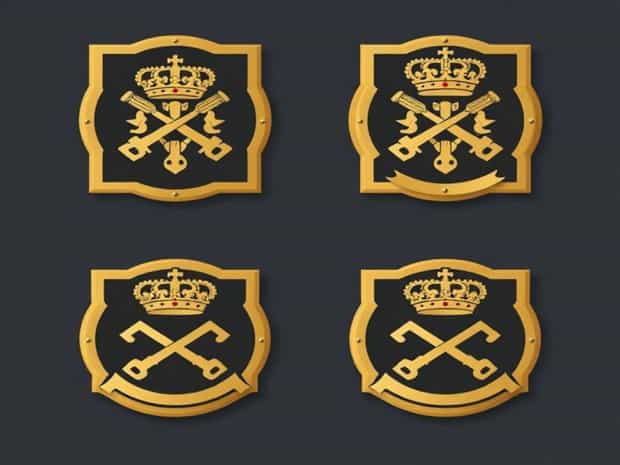
British Army Regimental Plaques
Across the long history of the British Army, symbols and traditions have played an important role in shaping identity, pride, and connection among soldiers. One of the most recognizable and enduring of these symbols is the regimental plaque. British Army regimental plaques are not only decorative pieces but also powerful reminders of heritage, service, and unity. These plaques, often displayed in military offices, homes of veterans, and regimental museums, serve as lasting tributes to the units they represent. To understand their significance, it is essential to explore their history, design, symbolism, and role within both military and civilian life.
The History of Regimental Plaques
The tradition of regimental plaques grew from the long-standing use of military heraldry. Regiments in the British Army have always valued their unique crests, badges, and insignia as ways of distinguishing themselves from other units. These emblems were originally worn on uniforms and equipment, but over time they were reproduced on wooden or metal plaques for display purposes.
Following the two World Wars, plaques became increasingly popular as souvenirs and commemorative items. Soldiers often exchanged them with allied units or received them as gifts upon leaving service. Today, regimental plaques continue to be produced and cherished, linking past generations of soldiers with the present.
Design and Craftsmanship
One of the most striking aspects of British Army regimental plaques is their craftsmanship. Each plaque usually features a wooden shield as its base, upon which the regimental crest is mounted. The crest might be made of metal, resin, or enamel, and it typically includes details such as crowns, animals, mottos, and symbolic weapons.
The design is not arbitrary. Every element reflects a story about the regiment’s history, its battle honors, or its regional connections. For example, a regiment with ties to Scotland may feature a thistle, while one with royal patronage might incorporate a crown. The result is an item that is both decorative and deeply meaningful.
Symbolism Behind the Plaques
British Army regimental plaques carry a wealth of symbolism. They are not just wall decorations but condensed histories of the units they represent. Common elements include
- Crowns and LionsSymbols of loyalty to the monarchy and the United Kingdom.
- Regional Flora and FaunaSuch as roses, thistles, leeks, or dragons, highlighting regional identities within the Army.
- Weapons and ToolsRepresenting the regiment’s role, whether infantry, cavalry, artillery, or engineers.
- MottosLatin or English phrases expressing values like courage, loyalty, or honor.
Together, these elements create a visual narrative that soldiers and their families can recognize instantly, reinforcing a sense of belonging to something greater than themselves.
Types of Regimental Plaques
Not all regimental plaques are the same. They can vary widely depending on their purpose and the audience they are meant for. Some of the common types include
Official Regimental Plaques
These are issued by the regiment itself and feature the officially approved crest. They are often exchanged between military units or presented to individuals as tokens of respect.
Commemorative Plaques
Created to mark significant anniversaries, battles, or disbandments, commemorative plaques serve as historical markers. Veterans and collectors often seek these items for their historical value.
Personalized Plaques
Sometimes plaques are customized with the name of a soldier, dates of service, or specific achievements. These are particularly valued as retirement gifts or farewell presents.
Collectors’ Plaques
A thriving market exists for reproduction plaques made for collectors and enthusiasts. While these may not hold the same official status, they allow civilians and history buffs to engage with regimental heritage.
The Role of Plaques in Regimental Life
Within the British Army, regimental plaques serve multiple roles. They are prominently displayed in officers’ messes, regimental headquarters, and training facilities. In these settings, they reinforce identity and honor connections with other units. When units train or deploy together, exchanging plaques is a gesture of friendship and mutual respect.
For individual soldiers, plaques often mark milestones in their careers. Receiving a plaque upon leaving a regiment or after completing an overseas deployment provides a tangible memory of service. Families, too, treasure these items, as they symbolize their loved one’s dedication and achievements.
Regimental Plaques and Commemoration
Beyond active service, plaques play an important role in remembrance. Many regimental museums display walls covered in plaques representing various battalions, squadrons, or allied units. These walls are not just decorative they tell a story of cooperation, sacrifice, and legacy.
Veterans often keep plaques in their homes as reminders of comradeship and shared experiences. During memorial events or reunions, plaques serve as focal points for reflection, reminding all present of the bonds that endure long after military service ends.
Collecting Regimental Plaques
Collecting British Army regimental plaques has become a popular hobby for military enthusiasts and historians. Each plaque is a piece of art as well as a fragment of history. Collectors value authenticity, craftsmanship, and condition, but they also look for items tied to notable regiments or historical events.
While original plaques may be rare and expensive, reproductions are widely available and allow newcomers to the hobby to start their own collections. Collectors often organize displays that showcase the diversity of regimental crests across the British Army, creating miniature museums in their own homes.
Modern Use and Adaptation
Even in the modern age, when digital insignia and online records are common, regimental plaques maintain their relevance. Units continue to produce them for ceremonial purposes and exchanges. Technology has also influenced their design, with new materials and production techniques allowing for more durable and affordable options.
At the same time, the meaning behind the plaques has not changed. They remain physical symbols of identity, loyalty, and service, connecting today’s soldiers with the traditions of their predecessors.
How Plaques Reflect Regimental Spirit
What makes British Army regimental plaques so significant is their ability to capture the spirit of a regiment in a single object. Each plaque embodies pride, history, and a sense of continuity. When displayed on a wall, it silently communicates belonging and honor to anyone who sees it. For soldiers, it is a reminder of shared experiences; for civilians, it is an entry point into the rich culture of the Army.
British Army regimental plaques are more than decorative shields they are symbols of heritage, loyalty, and remembrance. From their origins in heraldry to their continued use in the present day, they serve as lasting links between soldiers, families, and history. Whether used in military exchanges, given as personal gifts, or collected as historical artifacts, these plaques carry stories that transcend time and speak to the enduring spirit of the British Army. Their presence in homes, museums, and regimental halls ensures that the values of service and camaraderie will never be forgotten. In this way, regimental plaques continue to stand as powerful reminders of both individual journeys and collective tradition.