Both Excitatory And Inhibitory Neurotransmitters
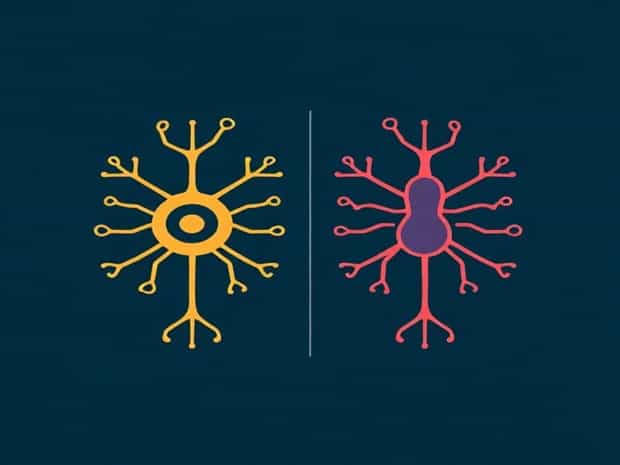
In the human nervous system, communication between neurons is made possible through chemical messengers called neurotransmitters. These molecules transmit signals across synapses, influencing how the brain and body respond to different stimuli. Neurotransmitters can be classified into two major categories excitatory neurotransmitters, which increase the likelihood of a neuron firing an action potential, and inhibitory neurotransmitters, which decrease this likelihood. Both excitatory and inhibitory neurotransmitters play a crucial role in maintaining balance within the nervous system, ensuring proper function of cognition, emotions, and physical responses. Without this balance, mental and neurological disorders can easily arise.
Understanding Neurotransmitters
Neurotransmitters are released from the presynaptic neuron into the synaptic cleft and bind to receptors on the postsynaptic neuron. Depending on their type, they can either stimulate or inhibit further signaling. This dynamic process controls everything from muscle contraction to mood regulation. The brain contains hundreds of different neurotransmitters, but most can be categorized based on whether they act excitatory, inhibitory, or in some cases, both depending on receptor type.
Excitatory Neurotransmitters
Excitatory neurotransmitters are chemicals that increase neuronal activity. They make the postsynaptic neuron more likely to fire an action potential, which leads to continued signal transmission. These neurotransmitters are essential for learning, memory, attention, and movement. When excitatory signals dominate, the nervous system becomes more active and responsive to stimuli.
Examples of Excitatory Neurotransmitters
-
GlutamateThe most abundant excitatory neurotransmitter in the brain, crucial for synaptic plasticity and memory formation.
-
AcetylcholinePlays a role in muscle contraction and cognitive functions such as attention and learning.
-
NorepinephrineInvolved in arousal, alertness, and the fight-or-flight response.
-
DopamineCan act as excitatory or inhibitory, but often linked to reward, motivation, and movement.
Inhibitory Neurotransmitters
Inhibitory neurotransmitters reduce the likelihood that a neuron will fire an action potential. By calming neural activity, they prevent overstimulation and maintain balance within the nervous system. Without proper inhibitory action, conditions such as seizures, anxiety, or overstimulation disorders could occur. These neurotransmitters are essential for relaxation, focus, and maintaining healthy sleep cycles.
Examples of Inhibitory Neurotransmitters
-
Gamma-Aminobutyric Acid (GABA)The primary inhibitory neurotransmitter in the brain, critical for reducing excitability and preventing seizures.
-
SerotoninInfluences mood, appetite, and sleep while exerting calming effects on the nervous system.
-
GlycineActs primarily in the spinal cord to inhibit motor neurons, contributing to motor control.
The Balance Between Excitatory and Inhibitory Neurotransmitters
The nervous system relies on a delicate equilibrium between excitatory and inhibitory neurotransmitters. Too much excitatory activity can lead to anxiety, seizures, or neurodegeneration, while excessive inhibition can result in fatigue, depression, or impaired cognition. The brain constantly regulates this balance to maintain homeostasis and adapt to changing internal and external conditions.
Importance of Balance
-
Mental healthImbalances are associated with disorders like depression, schizophrenia, and anxiety.
-
Learning and memoryExcitatory signals strengthen synaptic connections, while inhibitory ones refine and stabilize neural networks.
-
Motor controlProper coordination requires a mix of activation and inhibition within motor pathways.
Neurotransmitters with Dual Roles
Some neurotransmitters can act as both excitatory and inhibitory depending on the receptor they bind to. This dual role demonstrates the complexity of neurotransmission and highlights why certain chemicals cannot be strictly classified as one or the other.
Dopamine
Dopamine is one of the most well-studied neurotransmitters with dual functions. In some brain regions, it stimulates activity related to reward and motivation, while in others, it has inhibitory effects that regulate motor control and prevent overstimulation.
Acetylcholine
Although often classified as excitatory, acetylcholine can also inhibit cardiac muscle activity, slowing down heart rate when necessary. Its versatile role makes it essential for both voluntary and involuntary processes.
Excitatory and Inhibitory Neurotransmitters in Health and Disease
The interaction between excitatory and inhibitory neurotransmitters is central to understanding neurological and psychiatric conditions. Research continues to show how disruptions in this balance contribute to disease, and how treatments target these neurotransmitter systems to restore stability.
Neurological Disorders
-
EpilepsyCaused by excessive excitatory activity or inadequate inhibitory control.
-
Parkinson’s diseaseLinked to dopamine deficiency, disrupting excitatory and inhibitory motor pathways.
-
Huntington’s diseaseInvolves degeneration of inhibitory neurons, leading to uncontrolled movements.
Psychiatric Disorders
-
DepressionAssociated with serotonin imbalances and reduced excitatory activity in certain brain regions.
-
AnxietyOften linked to insufficient GABA activity, resulting in excessive excitatory signaling.
-
SchizophreniaInvolves complex interactions between dopamine, glutamate, and inhibitory systems.
Pharmacological Influence
Medications and substances can significantly affect excitatory and inhibitory neurotransmitter activity. Many treatments for neurological and psychiatric conditions work by enhancing or suppressing specific neurotransmitters to restore balance in the nervous system.
Common Examples
-
BenzodiazepinesEnhance GABA activity to reduce anxiety and promote relaxation.
-
SSRIs (Selective Serotonin Reuptake Inhibitors)Increase serotonin levels to treat depression and anxiety disorders.
-
StimulantsBoost dopamine and norepinephrine, commonly used for attention deficit hyperactivity disorder (ADHD).
-
Antiepileptic drugsStabilize neuronal firing by modulating excitatory and inhibitory neurotransmission.
Both excitatory and inhibitory neurotransmitters are essential for the proper functioning of the human nervous system. They work together to regulate thought processes, emotions, movements, and physiological functions. While excitatory neurotransmitters drive neural activity and enhance responsiveness, inhibitory neurotransmitters provide balance by calming and stabilizing the system. Disruptions in this delicate equilibrium can lead to various neurological and psychiatric conditions, but understanding their mechanisms allows researchers and clinicians to develop effective treatments. The study of neurotransmitters continues to reveal the complexity of brain function and the importance of maintaining harmony between stimulation and inhibition.