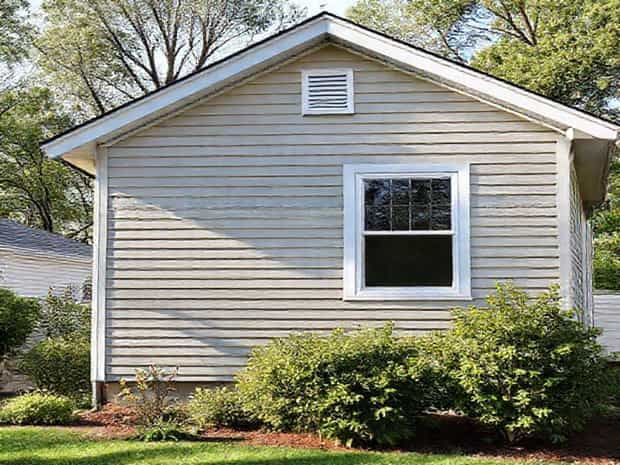
James Hardie ? Siding Cost
Choosing the right siding for your home is an important decision that affects not only the appearance but also the durability, energy efficiency, and overall value of your property. James Hardie siding is one of the most popular options in the market due to its high-quality fiber cement construction, resistance to weather, and long-lasting finish. Understanding James Hardie siding costs is crucial for homeowners planning a siding installation or replacement project. This includes knowing the price of materials, labor, and additional factors that can influence the total investment.
What is James Hardie Siding?
James Hardie siding is a fiber cement product that combines cement, sand, and cellulose fibers to create a strong, durable, and low-maintenance exterior material. It is designed to resist common siding problems such as rot, fire, insect damage, and warping. Available in a variety of styles and colors, including lap siding, panel siding, and shingles, James Hardie siding can complement both traditional and modern home designs. Its long lifespan and robust warranty make it a preferred choice for homeowners seeking value and performance.
Factors Affecting James Hardie Siding Cost
The total cost of James Hardie siding depends on several variables that can influence both material and installation expenses. Key factors include
- Home SizeLarger homes require more siding materials, which directly increases the overall cost. Typically, the square footage of exterior walls is calculated to estimate the materials needed.
- Siding StyleDifferent styles, such as lap siding, vertical panels, or shingles, have varying costs. Some intricate styles require more labor, increasing installation expenses.
- Material QualityJames Hardie offers different product lines and finishes, which can affect pricing. For example, specialty colors or premium finishes may add to the material cost.
- Labor CostsInstallation requires skilled professionals due to the weight and cutting requirements of fiber cement. Labor costs vary based on location, experience of the installers, and complexity of the project.
- Preparation WorkAdditional work such as removing old siding, repairing damaged sheathing, or installing insulation can increase total costs.
- Accessories and TrimProper finishing with trim, corner boards, and soffits adds to material and labor costs but enhances the home’s appearance and protection.
Average James Hardie Siding Costs
While costs can vary significantly depending on location and project complexity, it’s helpful to consider average pricing for planning purposes. On average, James Hardie siding material costs range from $1.50 to $3.50 per square foot. Labor typically adds another $2 to $5 per square foot, making the total installed cost between $5 and $12 per square foot. For an average 2,000-square-foot home, homeowners can expect to invest approximately $10,000 to $24,000 for complete siding installation.
Cost Comparison by Siding Type
James Hardie siding comes in multiple styles, and each has its own cost implications
- Lap SidingThe most popular style, offering a classic horizontal look. Average installed cost ranges from $8 to $12 per square foot.
- Panel SidingVertical panels provide a modern aesthetic and may cost slightly less, around $7 to $10 per square foot installed.
- Shingle SidingMimics the look of wood shingles but with the durability of fiber cement. Typically costs $9 to $13 per square foot installed.
Additional Considerations for Homeowners
When planning a James Hardie siding project, homeowners should also consider long-term benefits and factors beyond immediate costs
- Energy EfficiencyInstalling James Hardie siding with proper insulation can improve energy efficiency, potentially lowering heating and cooling costs.
- Maintenance SavingsUnlike wood siding, James Hardie requires minimal upkeep. Occasional cleaning and repainting are typically all that’s needed.
- Durability and LifespanFiber cement siding can last 30 to 50 years, making it a cost-effective investment over time compared to cheaper, less durable alternatives.
- WarrantyJames Hardie offers warranties on its products, which can provide peace of mind and protect against defects or damage.
DIY vs Professional Installation
Some homeowners consider installing James Hardie siding themselves to save on labor costs. While this is possible for experienced DIYers, professional installation is highly recommended due to the weight of fiber cement, specialized cutting tools required, and precise installation techniques needed to ensure warranty coverage. Hiring licensed professionals ensures proper installation, reducing the risk of future damage and maximizing the lifespan of the siding.
Ways to Reduce James Hardie Siding Costs
Although James Hardie siding represents a premium option, there are strategies to manage costs without compromising quality
- Obtain multiple quotes from licensed contractors to ensure competitive pricing.
- Schedule installation during off-peak seasons when labor demand is lower.
- Combine siding installation with other exterior projects to take advantage of contractor efficiencies.
- Choose standard colors and finishes, as custom or specialty colors often carry additional costs.
- Consider partial replacement or section updates if the budget does not allow full-home installation at once.
James Hardie siding offers homeowners a durable, attractive, and low-maintenance exterior solution that enhances both the look and value of a property. While the cost of materials and installation may seem significant upfront, the long-term benefits including longevity, resistance to weather and pests, low maintenance, and warranty protection make it a worthwhile investment. Understanding the factors that influence James Hardie siding cost, from home size and siding style to labor and additional preparation, allows homeowners to plan effectively and make informed decisions. By considering both immediate expenses and long-term value, homeowners can achieve a beautiful, durable, and cost-effective exterior solution with James Hardie siding.