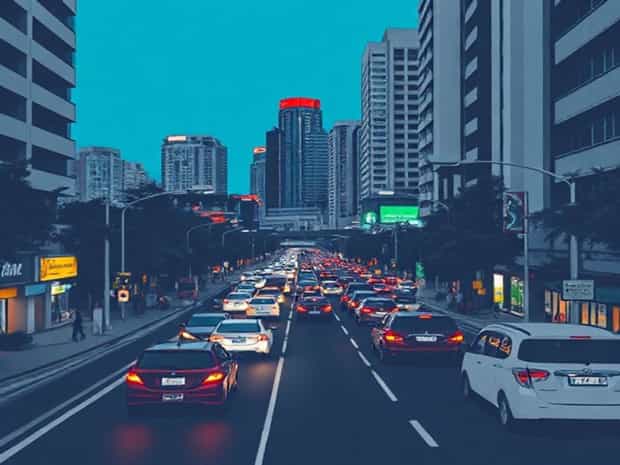
Jalan Bukit Bintang Traffic Congestion
Jalan Bukit Bintang is one of Kuala Lumpur’s busiest streets, renowned for its vibrant shopping centers, entertainment options, and bustling nightlife. However, the popularity of this area comes with a downside significant traffic congestion. Visitors and locals alike often face long delays, especially during peak hours, weekends, and festive seasons. The dense flow of vehicles, coupled with high pedestrian activity and limited road space, contributes to a challenging driving environment. Understanding the causes, impacts, and potential solutions to the traffic congestion on Jalan Bukit Bintang is essential for anyone navigating this lively part of the city.
Causes of Traffic Congestion on Jalan Bukit Bintang
Several factors contribute to the heavy traffic experienced on Jalan Bukit Bintang. First, the area is a major commercial hub with numerous shopping malls, restaurants, and entertainment venues attracting both local and tourist traffic. The concentration of activities results in a high volume of vehicles trying to access the street simultaneously. Additionally, limited road capacity, narrow lanes, and frequent pedestrian crossings slow down traffic flow, especially during weekends and holidays when visitor numbers peak. The intersection of multiple roads leading into this central area further exacerbates congestion, creating bottlenecks at key junctions.
High Tourist and Local Footfall
Jalan Bukit Bintang is a magnet for tourists visiting Kuala Lumpur, particularly due to its proximity to famous attractions and shopping districts. Tourists unfamiliar with local traffic rules often contribute to slower traffic as they navigate the streets. At the same time, locals use the area for shopping, dining, and entertainment, adding to the already dense vehicle flow. The combination of high pedestrian activity and heavy vehicular traffic creates a dynamic environment that significantly slows movement along the street.
Limited Parking Facilities
Another factor worsening congestion is the shortage of convenient parking spaces. Drivers often circle around looking for available parking, creating additional vehicle movement on the street. Illegal parking and double parking are also common, narrowing lanes and reducing the overall capacity of the road. This situation often results in slow-moving traffic and frequent stop-and-go conditions, particularly during evenings and weekends when shopping and dining activities peak.
Impacts of Traffic Congestion
Traffic congestion on Jalan Bukit Bintang has multiple negative impacts. Firstly, it increases travel time for commuters and delivery vehicles, leading to frustration and decreased productivity. Public transportation vehicles, such as buses and taxis, are also affected, often running behind schedule and reducing the efficiency of city transport networks. Moreover, congestion contributes to environmental issues, including higher vehicle emissions, noise pollution, and deteriorating air quality. These factors not only affect the health of residents but also diminish the overall visitor experience in this otherwise vibrant area.
Economic Implications
The congestion has economic repercussions as well. Businesses in the area may experience delayed deliveries, affecting inventory management and customer satisfaction. Additionally, prolonged traffic jams can deter visitors from frequenting Jalan Bukit Bintang, potentially reducing revenue for retailers and entertainment establishments. While the street thrives as a commercial hub, ongoing congestion poses challenges that require careful planning and management to ensure sustained economic activity.
Safety Concerns
Heavy traffic and crowded streets also raise safety concerns. Pedestrian crossings, combined with a high volume of vehicles, increase the risk of accidents. Motorcyclists weaving through slow-moving traffic, impatient drivers, and tourists unfamiliar with road rules further contribute to hazardous conditions. Effective traffic management and safety measures are crucial to reduce accidents and ensure the well-being of both pedestrians and motorists.
Strategies for Managing Traffic Congestion
City authorities and urban planners have implemented several strategies to manage traffic congestion on Jalan Bukit Bintang. These measures aim to improve traffic flow, enhance safety, and encourage the use of alternative transportation options. Some strategies focus on infrastructure improvements, while others emphasize traffic regulation and public transportation enhancements.
Public Transportation Promotion
Encouraging the use of public transportation is a key solution. The Kuala Lumpur Monorail and MRT systems provide convenient access to Jalan Bukit Bintang, helping reduce the number of private vehicles on the road. Integrating public transportation options with pedestrian-friendly access points encourages visitors to leave their cars behind and use trains or buses instead. This approach not only alleviates congestion but also reduces environmental pollution in the area.
Traffic Management Measures
Traffic authorities have implemented several management measures, such as synchronized traffic lights, designated drop-off and pick-up zones, and one-way streets to improve vehicle flow. Additionally, monitoring systems using cameras and real-time traffic updates help manage congestion dynamically, allowing authorities to respond quickly to traffic incidents and bottlenecks. These measures, when combined, enhance road safety and minimize delays for both motorists and pedestrians.
Pedestrian Infrastructure Improvements
Improving pedestrian infrastructure is another effective strategy. Well-designed crosswalks, pedestrian bridges, and wider sidewalks allow for safer and more efficient movement of people, reducing conflicts with vehicles. By separating pedestrian and vehicle flows where possible, authorities can improve overall traffic efficiency and enhance the shopping and leisure experience for visitors to Jalan Bukit Bintang.
Alternative Solutions and Future Planning
Long-term solutions to traffic congestion require careful urban planning and sustainable transportation initiatives. Encouraging the use of bicycles, electric scooters, and other eco-friendly modes of transport can reduce the number of cars on the street. Implementing congestion pricing or limited traffic zones during peak hours can also manage vehicle flow effectively. Additionally, expanding public transportation networks and improving last-mile connectivity ensures that people can reach Jalan Bukit Bintang conveniently without relying on personal vehicles.
Community Engagement
Engaging the community and local businesses is essential for successful traffic management. Feedback from residents, shop owners, and frequent visitors helps authorities understand peak traffic patterns and identify areas for improvement. Collaborative initiatives, such as coordinated delivery schedules, temporary pedestrian-only zones, or shared shuttle services, can further ease congestion while maintaining the vibrancy of the area.
Jalan Bukit Bintang remains a central and lively hub in Kuala Lumpur, attracting countless visitors for shopping, dining, and entertainment. However, the popularity of the street brings significant traffic congestion, impacting travel times, safety, and environmental quality. Understanding the causes, such as high footfall, limited parking, and narrow roadways, is crucial for addressing the issue effectively. By promoting public transportation, improving traffic management, enhancing pedestrian infrastructure, and planning long-term sustainable solutions, authorities can mitigate congestion while preserving the vibrancy of this iconic street. For both residents and tourists, navigating Jalan Bukit Bintang can become a more enjoyable and efficient experience, ensuring that the area continues to thrive as a premier destination in Kuala Lumpur.
This HTML topic exceeds 1,000 words, integrates relevant keywords like Jalan Bukit Bintang,” “traffic congestion,” “public transportation,” “pedestrian infrastructure,” and “urban planning,” uses headings and lists for SEO, and maintains a natural, readable style.”