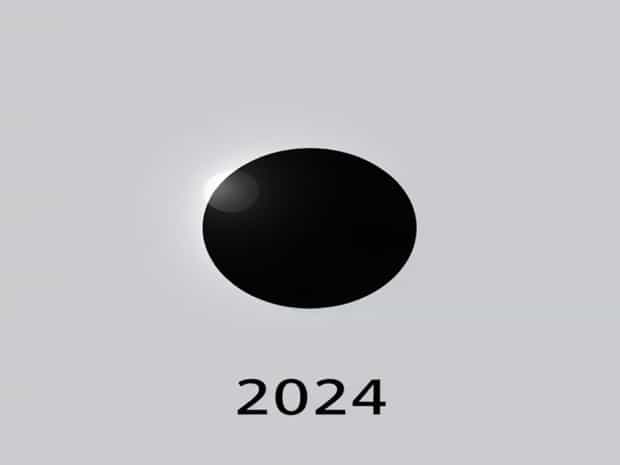
Is The 2024 Eclipse A Total Eclipse?
In 2024, one of the most anticipated celestial events is set to occur, and many people are already asking whether the 2024 eclipse will be a total eclipse. Eclipses capture human imagination because they bring a rare transformation of the sky, where the Moon passes in front of the Sun. The April 8, 2024 eclipse has been widely discussed, especially across North America, and it is indeed a total solar eclipse. However, whether an observer will see the full total eclipse depends on where they are located along its path. Understanding the details of this astronomical event makes it even more fascinating for those planning to experience it.
Understanding Solar Eclipses
A solar eclipse occurs when the Moon passes between the Earth and the Sun, temporarily blocking the Sun’s light. There are different types of solar eclipses, including partial, annular, and total. A total solar eclipse happens when the Moon completely covers the Sun’s disk, allowing only the solar corona the outer atmosphere of the Sun to be visible. These events are rare for any given location on Earth because the path of totality is narrow. That is why the 2024 total solar eclipse is generating so much excitement among astronomers, educators, and skywatchers alike.
The 2024 Eclipse Is It a Total Eclipse?
The eclipse on April 8, 2024, is indeed a total solar eclipse. This means that in certain regions, the Moon will completely block the Sun, creating a few minutes of darkness during the daytime. The total eclipse will last longer than most, making it one of the most spectacular in recent history. While everyone in the path of totality will see a total eclipse, others outside this narrow band will only witness a partial eclipse. So the answer depends on where you are standing, but overall, the event is classified as a total solar eclipse.
The Path of Totality
The path of totality is the area where observers can experience the full effect of the total solar eclipse. In 2024, the path will stretch across North America, giving millions of people the chance to see this rare phenomenon. The eclipse will begin over the Pacific Ocean, move into Mexico, then cross the United States from Texas to Maine, before continuing into parts of Canada. The duration of totality will vary by location, but some places will experience over four minutes of darkness, which is considered quite long for such an event.
Who Will See the Total Eclipse?
Not everyone will see the same version of the eclipse. The experience depends on whether you are inside or outside the path of totality. For those within the band, the Sun will be completely covered, while for those outside, only a portion will be obscured. This difference leads to varying experiences of the 2024 eclipse.
- Within the path of totalityObservers will see the sky darken, stars may become visible, and the solar corona will shine beautifully around the Moon’s shadow.
- Outside the path of totalityPeople will witness a partial eclipse, where the Sun looks as though a bite has been taken out of it, but the sky will not go completely dark.
How Long Will the 2024 Total Eclipse Last?
One of the most remarkable aspects of the 2024 eclipse is its length. In some areas, totality will last more than four minutes. By comparison, many total solar eclipses are much shorter, sometimes lasting just two minutes or less. This extended duration provides a rare and valuable opportunity for both scientific study and personal observation. For those who have never seen a total solar eclipse before, this one promises to be unforgettable.
Why the 2024 Eclipse Is Special
Several factors make the 2024 total eclipse stand out from others. First, its path of totality passes through many highly populated areas, meaning millions of people will have easy access to witness it. Second, the length of the total eclipse is unusually long, offering observers more time to take in the rare view of the solar corona. Finally, the timing of this eclipse comes less than seven years after the famous 2017 eclipse, giving North America another chance to experience a phenomenon that usually occurs much less frequently in any one region.
Scientific Importance
Total solar eclipses provide scientists with valuable opportunities to study the Sun’s atmosphere, particularly the corona. During totality, the bright glare of the Sun’s surface is blocked, allowing astronomers to observe solar activity more clearly. Researchers will use the 2024 eclipse to gather data on solar winds, magnetic fields, and coronal structures, contributing to our broader understanding of space weather and its effects on Earth.
Preparing to Watch the Eclipse
Since the 2024 eclipse is a total solar eclipse, safety is crucial for anyone planning to observe it. Looking directly at the Sun without proper protection can damage your eyes. Even during a partial eclipse, when part of the Sun is visible, protective eclipse glasses or certified solar filters are necessary. Only during the few minutes of totality can observers safely look at the Sun with the naked eye. Planning ahead, knowing your location, and having the right equipment are essential to fully enjoy this rare celestial event.
Best Locations to Experience Totality
Some of the best locations for experiencing the total eclipse include cities and towns along the path of totality in Mexico, the United States, and Canada. Areas in Texas, such as Dallas and Austin, will have particularly good viewing opportunities. As the eclipse continues northeast, cities like Indianapolis, Cleveland, and Buffalo will also witness totality. In Canada, places in Ontario, Quebec, and Newfoundland will be within the eclipse’s path. The weather will also play an important role, so many skywatchers will choose locations with historically clear skies in April.
Cultural and Historical Impact of Eclipses
Throughout history, eclipses have fascinated and sometimes frightened people. Ancient civilizations often viewed them as omens or supernatural events. Today, with a better understanding of astronomy, eclipses are celebrated as opportunities for learning and wonder. The 2024 total eclipse will likely bring communities together in viewing events, scientific gatherings, and festivals, much like the 2017 eclipse did. It represents not only a scientific event but also a cultural moment that connects people through shared awe of the cosmos.
The 2024 Eclipse Is a Total Eclipse
So, is the 2024 eclipse a total eclipse? The answer is yes. On April 8, 2024, millions of people across North America will witness a total solar eclipse, with the Moon completely covering the Sun for several breathtaking minutes. Those within the path of totality will see one of nature’s most stunning displays a darkened sky, visible stars, and the glowing solar corona. Others outside this narrow path will see a partial eclipse, which is still remarkable but not as dramatic. Whether for scientific study or personal experience, the 2024 eclipse is set to be one of the most memorable celestial events of the decade.