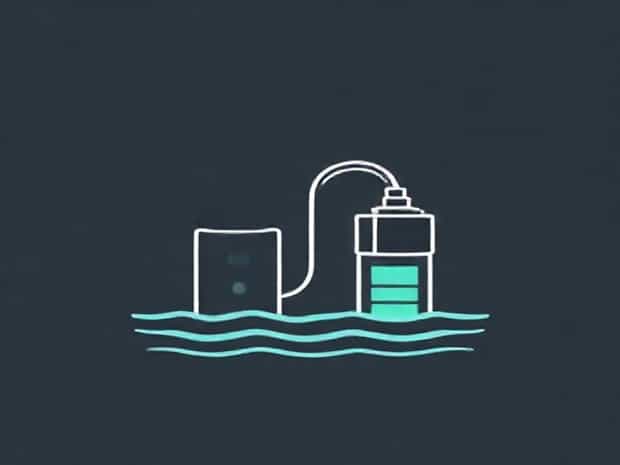
Battery Powered Submersible Pump
Battery powered submersible pumps have revolutionized the way water and other liquids are managed in areas without access to conventional power sources. These pumps are designed to operate efficiently using battery power, making them ideal for remote locations, emergency situations, and portable applications. Their versatility, ease of use, and reliability have made them a preferred choice for homeowners, farmers, construction workers, and outdoor enthusiasts. Understanding the functionality, advantages, types, and applications of battery powered submersible pumps is essential for selecting the right model for specific needs and ensuring optimal performance.
What is a Battery Powered Submersible Pump?
A battery powered submersible pump is a device that is fully immersed in water or other liquids to pump fluids without requiring a direct electrical connection to the mains. These pumps use rechargeable batteries, typically lithium-ion or lead-acid, to operate the motor, allowing for portable and flexible water pumping solutions. Unlike traditional electric submersible pumps, battery powered models provide mobility and can be deployed in locations where electricity is unavailable or unreliable.
How It Works
The working principle of a battery powered submersible pump is similar to that of standard submersible pumps. The pump motor is sealed within a waterproof housing, ensuring safe operation under water. When the pump is activated, the motor drives an impeller that draws water into the pump inlet and forces it through a discharge outlet. The battery provides the necessary electrical energy, and in some models, a built-in controller or switch regulates the operation to prevent overuse or overheating.
Key Advantages of Battery Powered Submersible Pumps
Battery powered submersible pumps offer several benefits that make them an attractive choice for a variety of applications. These advantages contribute to their growing popularity in both residential and industrial contexts.
- PortabilityWithout the need for a fixed power source, these pumps can be easily transported to different locations.
- Ease of UseMost models are simple to operate, often with one-touch activation and minimal setup required.
- Energy IndependenceBattery operation eliminates dependence on mains electricity, ideal for remote or off-grid locations.
- Emergency PreparednessThey are valuable during power outages or natural disasters, providing reliable water removal or transfer.
- VersatilitySuitable for various liquids, including clean water, slightly contaminated water, and light chemicals, depending on pump specifications.
- DurabilityDesigned to withstand immersion and harsh conditions, ensuring long-lasting performance.
Types of Battery Powered Submersible Pumps
Battery powered submersible pumps come in different types, each optimized for specific applications. Understanding the types helps in selecting the most appropriate pump for intended use.
Portable Water Pumps
These pumps are compact and lightweight, designed for temporary water transfer from wells, tanks, ponds, or flooded areas. They often feature built-in handles and rechargeable batteries, making them ideal for homeowners or small-scale agricultural use. Portable water pumps are commonly used for watering gardens, draining small pools, or providing water in remote camping locations.
High-Flow Pumps
High-flow battery powered submersible pumps are designed to move large volumes of water quickly. These models are suitable for emergency flood response, construction dewatering, or irrigation of larger agricultural fields. Although they may be bulkier than portable pumps, they offer greater efficiency and faster water removal, making them essential for time-sensitive operations.
Deep Well Pumps
Deep well battery powered submersible pumps are engineered to lift water from significant depths, often exceeding 50 feet. These pumps are commonly used in remote areas where grid electricity is not available and where water needs to be extracted from deep wells for household or agricultural purposes. They typically require higher-capacity batteries to maintain consistent performance over extended periods.
Applications of Battery Powered Submersible Pumps
Battery powered submersible pumps are versatile and can be applied in various contexts where traditional pumps are impractical. Their mobility and ease of use make them suitable for both emergency and everyday situations.
Residential Applications
Homeowners use battery powered submersible pumps for a variety of tasks, including
- Draining flooded basements or garages.
- Transferring water from storage tanks or barrels.
- Watering gardens or lawns in areas without hose connections.
- Filling or emptying swimming pools or ponds.
Agricultural and Industrial Applications
Farmers and construction workers benefit from battery powered submersible pumps in the following ways
- Irrigating fields and greenhouses where electricity is unavailable.
- Draining water from ponds, reservoirs, or flooded fields.
- Providing water to livestock in remote areas.
- Construction dewatering for foundation work or site preparation.
Emergency and Disaster Relief
Battery powered submersible pumps are critical during emergencies. Their ability to operate independently of the electrical grid makes them essential tools for
- Removing water after heavy rains or floods.
- Providing potable water in disaster-affected regions.
- Supporting rescue operations where water accumulation is a hazard.
Choosing the Right Battery Powered Submersible Pump
Selecting the appropriate pump requires considering several factors, including flow rate, battery capacity, liquid type, and intended application. Assessing these factors ensures efficient operation and longevity of the pump.
Flow Rate and Head
Flow rate, measured in liters per minute or gallons per hour, determines how quickly water is pumped. The head, or the maximum vertical lift, indicates how high the pump can push water. Matching the pump’s specifications to the intended application is crucial for optimal performance.
Battery Life and Charging
Battery capacity affects the duration of operation. High-capacity batteries allow longer pumping sessions but may add weight. Some pumps include built-in indicators to monitor battery levels, while others offer detachable batteries for easy replacement. Fast-charging options can be advantageous for continuous use.
Material and Durability
Submersible pumps are exposed to water and debris, so selecting a pump with corrosion-resistant materials such as stainless steel or reinforced plastic is essential. Durable construction prevents damage and extends the service life of the pump, even under demanding conditions.
Maintenance Tips
Proper maintenance ensures the longevity and reliability of battery powered submersible pumps. Simple practices can prevent damage and maintain efficiency.
- Regularly clean the pump inlet to avoid blockages from debris.
- Check battery connections and charge levels before and after use.
- Store the pump in a dry location when not in use to prevent corrosion.
- Inspect seals and gaskets periodically to maintain waterproof integrity.
- Follow manufacturer guidelines for battery care and replacement.
Battery powered submersible pumps provide a versatile, portable, and efficient solution for water management in a variety of contexts. Their independence from the electrical grid, ease of use, and ability to operate in challenging environments make them indispensable tools for homeowners, farmers, construction professionals, and emergency responders. By understanding the types, applications, and maintenance requirements of these pumps, users can maximize their benefits and ensure reliable performance whenever and wherever water needs to be moved. Investing in a high-quality battery powered submersible pump is a practical decision that enhances water accessibility, safety, and convenience in both daily and critical situations.