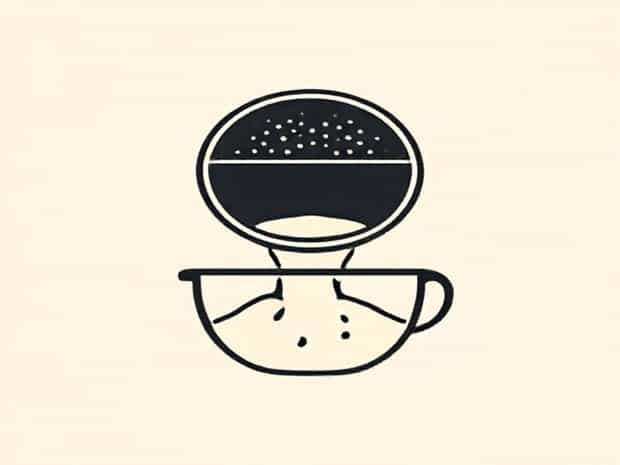
How To Sieve Flour
Sifting or sieving flour is a fundamental baking technique that ensures light, airy, and evenly textured baked goods. Properly sieving flour removes lumps, aerates the flour, and allows for more accurate measurement, which is crucial for recipes that require precision such as cakes, pastries, and delicate bread. Many novice bakers overlook this step, but learning how to sieve flour correctly can improve the consistency of dough and batter, prevent clumping, and contribute to better overall baking results. Understanding the techniques and tools involved makes this process both simple and effective.
Why Sieving Flour is Important
Sieving flour offers several benefits that directly impact the quality of baked goods. Firstly, it removes lumps and impurities, creating a smooth texture that mixes more evenly with other ingredients. This is especially important in cakes and pastries, where clumps of flour can affect the rise and uniformity of the final product. Secondly, sieving aerates the flour, introducing tiny air pockets that help achieve a lighter, fluffier texture. Additionally, sieving ensures that measurements are accurate, as unsifted flour can be compacted, leading to an incorrect amount being added to the recipe. Overall, sieving is a simple step that can greatly improve baking outcomes.
Common Tools for Sieving Flour
Several tools can be used to sieve flour, each with its own advantages. Choosing the right tool depends on personal preference, the type of flour, and the baking task.
- Fine-Mesh SieveThis is the most common tool, featuring a wire mesh that allows flour to pass through while catching lumps and larger ptopics.
- Flour SifterA mechanical tool with a crank or squeeze handle that forces flour through a fine mesh screen, making the process faster and more efficient.
- Chinois or Conical StrainerOften used in professional kitchens, this cone-shaped sieve is ideal for very fine flour or for combining multiple dry ingredients smoothly.
- Whisk or ForkIn the absence of a sieve, a whisk or fork can be used to aerate and break up lumps by stirring the flour vigorously.
Step-by-Step Guide to Sieving Flour
Proper technique is key to effective sieving. Follow these steps to ensure the best results
1. Measure the Flour
Start by measuring the required amount of flour according to the recipe. Use a spoon to lightly fill the measuring cup and level it off with a knife to avoid compacting the flour. Accurate measurement ensures consistency in texture and structure.
2. Choose the Sieve or Sifter
Select an appropriate sieve or flour sifter for the task. For general baking, a fine-mesh sieve works well. For larger batches or very fine textures, a mechanical sifter may be more efficient.
3. Place the Sieve Over a Bowl
Position the sieve or sifter over a clean, dry mixing bowl. This allows the flour to fall directly into the bowl while separating lumps and aerating it.
4. Add the Flour
Pour the measured flour into the sieve. For mechanical sifters, follow the manufacturer’s instructions for turning the crank or squeezing the handle. For hand sieving, gently shake or tap the sieve while using a spoon or spatula to push the flour through.
5. Break Up Lumps
Use a spoon, spatula, or the edge of the sieve to gently press down any remaining lumps. Continue shaking or tapping until all flour has passed through the mesh and is smooth and aerated.
6. Combine with Other Ingredients
Once sieved, flour is ready to be mixed with other dry or wet ingredients. Its light and airy texture ensures easier blending and more consistent results in dough or batter.
Tips for Effective Flour Sieving
Sieving flour can be simple, but following some tips can make the process more efficient and improve baking results
- Use fresh, dry flour to prevent clumping during sieving.
- Sift flour in small batches for better control and even aeration.
- Clean the sieve regularly to remove residue and prevent contamination.
- When combining multiple dry ingredients, sift them together to ensure uniform distribution.
- For delicate baked goods, such as sponge cakes or soufflés, consider double-sifting for extra lightness.
Alternative Methods
If a sieve or sifter is not available, other methods can still prepare flour effectively. Whisking the flour in a bowl can break up clumps and incorporate air. A fork or spoon can also be used to mix and aerate flour by stirring vigorously. While these methods may not produce as fine a texture as traditional sieving, they are suitable alternatives for basic baking needs.
Common Mistakes to Avoid
When sieving flour, beginners often make mistakes that affect the texture and quality of baked goods
- Skipping SievingNot sieving flour can result in lumpy dough or uneven texture in cakes and pastries.
- Over-PressingForcing flour too hard through the sieve can compress it, negating the benefits of aeration.
- Measuring After SievingAlways measure flour before sieving unless the recipe specifies otherwise, as sieved flour occupies more volume.
- Using Wet FlourMoist flour can clog the sieve and cause clumping, so ensure the flour is dry.
Benefits of Regular Sieving Practice
Regularly sieving flour improves not only the texture of baked goods but also your overall baking technique. It encourages attention to detail, promotes consistency, and builds an understanding of ingredient handling. Over time, bakers learn to judge the quality of flour by its texture and appearance, making recipes more reliable and results more predictable.
Impact on Different Types of Baking
Sieving flour has a noticeable effect on various types of baking. In cakes and pastries, it ensures lightness and prevents dense textures. In bread baking, sieving helps distribute ingredients evenly and improves dough elasticity. For cookies and biscuits, it prevents clumping and aids in consistent mixing. Overall, sieving enhances the quality and presentation of a wide range of baked products.
Learning how to sieve flour is an essential skill for both beginner and experienced bakers. By removing lumps, aerating the flour, and ensuring accurate measurement, sieving contributes to consistent, light, and evenly textured baked goods. Using the right tools, following proper techniques, and practicing regularly can significantly improve baking outcomes. Whether using a fine-mesh sieve, mechanical sifter, or alternative methods, sieving flour enhances the quality of cakes, pastries, bread, and cookies, making it a fundamental step in achieving professional and delicious results in the kitchen.