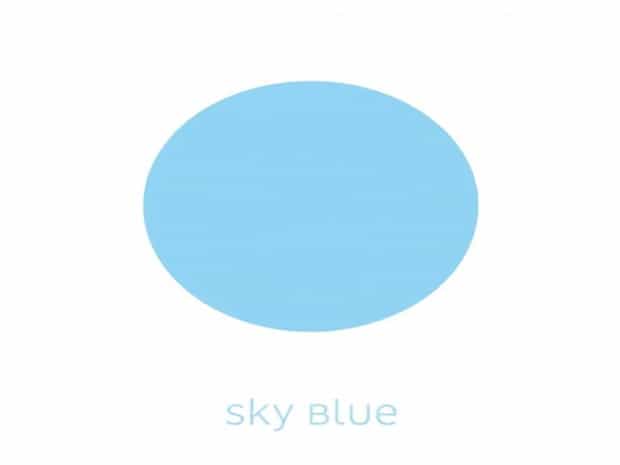
How To Make Sky Blue From Ultramarine Blue
Creating a natural sky blue color from ultramarine blue is a fundamental skill for artists working with paints, whether in acrylic, oil, or watercolor mediums. Ultramarine blue is a deep, rich, and slightly reddish-blue pigment that offers intense color but often appears too dark or heavy to represent a bright daytime sky. By understanding color mixing principles, the interaction of pigments, and the effect of light on color perception, artists can transform ultramarine blue into a soft, airy sky blue that captures the feeling of openness and distance in a landscape. This process requires careful adjustment and blending to achieve the desired luminosity and tonal balance.
Understanding Ultramarine Blue
Ultramarine blue is known for its deep, vibrant hue and excellent permanence. It is derived from natural minerals or synthetic alternatives, providing strong coloring power and stability over time. However, ultramarine blue tends to lean toward a reddish tone, which can make it unsuitable as a base for a true sky blue without modification. Recognizing this characteristic is the first step in creating a sky blue mixture, as it informs which complementary colors and modifiers will be necessary to lighten and neutralize the pigment.
Required Materials
To mix ultramarine blue into a sky blue, gather the following materials
- Ultramarine blue paint (acrylic, oil, or watercolor)
- White paint (titanium white or zinc white)
- Optional cyan or phthalo blue for adjustment
- Optional a touch of yellow or green to balance warmth
- Palette for mixing
- Brushes or palette knife
Step-by-Step Process
1. Begin with Ultramarine Blue
Start by placing a small amount of ultramarine blue on your palette. Its intensity means you only need a little to achieve noticeable results. This deep blue will act as the base for your sky color.
2. Gradually Add White
White is essential for lightening ultramarine blue to create a sky-like effect. Add small amounts of white gradually, mixing thoroughly after each addition. The goal is to maintain the vibrancy of the blue while achieving a lighter tone that resembles the brightness of the sky during daytime. Avoid adding too much white at once, as it can produce a pale, chalky color rather than a luminous sky blue.
3. Adjust Hue if Necessary
Since ultramarine blue has a slightly reddish undertone, the mixture may appear purplish when lightened. To counteract this, you can add a touch of cyan, phthalo blue, or even a hint of green. These cooler blues help neutralize the warmth and push the color toward a more natural sky tone. Mix slowly and test frequently by applying small swatches to paper or canvas.
4. Fine-Tune the Mixture
The final step involves subtle adjustments to achieve a realistic sky blue. Observe the color in different lighting conditions, as natural light can affect perception. You may need to add more white for brightness, a bit more ultramarine for depth, or a touch of cyan for a cooler, crisp sky effect. Always mix incrementally to avoid overshooting the desired shade.
Tips for Achieving a Natural Sky Blue
- Use a large, flat brush to blend the color seamlessly across your sky area for a smooth gradient effect.
- Consider creating a gradient by starting with a more intense ultramarine blue at the top of the sky and gradually lightening toward the horizon with more white.
- Layer thin washes of color if using watercolor to build up luminosity without creating a flat appearance.
- Avoid mixing too many colors at once, as over-mixing can dull the vibrancy of the sky blue.
- Test the mixture on a small piece of canvas or paper before applying it to the main painting area to ensure it matches your vision.
Understanding Color Theory
To achieve the perfect sky blue, understanding color theory is helpful. Complementary and analogous colors can correct unwanted tones. Since ultramarine blue is slightly warm, adding cooler pigments balances the mixture. White is used for lightening, but be mindful of the type of white paint titanium white is opaque and bright, while zinc white is more transparent and can create a softer effect. By combining color knowledge with careful mixing, ultramarine blue transforms from a deep, intense pigment into a light, airy sky blue that enhances landscapes, seascapes, and open-air compositions.
Practical Applications
Artists can apply this sky blue mixture in a variety of contexts
- Landscape paintings to depict clear daytime skies
- Seascapes where the horizon blends with the ocean
- Urban scenes with expansive skylines
- Background layers in portraits to provide natural outdoor lighting effects
Common Mistakes to Avoid
When mixing ultramarine blue into sky blue, artists should be aware of common pitfalls
- Adding too much white too quickly, resulting in a pale or flat color.
- Ignoring the reddish undertone of ultramarine, which can create a purple tint if uncorrected.
- Overcomplicating the mix with too many additional pigments, which can muddy the final hue.
- Not testing under natural light, leading to unexpected color shifts in the finished work.
Mixing ultramarine blue to achieve a natural sky blue requires patience, observation, and an understanding of color behavior. By starting with ultramarine as a base, gradually adding white, and making careful adjustments with cooler blues or subtle complementary colors, artists can create a luminous, realistic sky color. Testing, layering, and incremental mixing ensure that the result captures the airy, expansive quality of the sky. Mastering this technique allows painters to bring depth, vibrancy, and realism to landscapes and open-air scenes, demonstrating the versatility and beauty of ultramarine blue when skillfully adapted for naturalistic effects.