How To Know Thyself
The phrase know thyself has echoed through philosophy, spirituality, and personal growth for thousands of years. First inscribed on the Temple of Apollo at Delphi in ancient Greece, it remains a timeless call for self-awareness. To know yourself is not just to recognize your preferences or habits but to deeply understand your nature, motivations, strengths, and weaknesses. This journey requires honesty, patience, and reflection. Many people search outside themselves for meaning, yet the wisdom of self-knowledge teaches that understanding your own mind and heart is the foundation of a fulfilling life.
The Meaning of Knowing Thyself
When philosophers like Socrates and Plato emphasized know thyself, they were urging people to look inward. Self-knowledge is about grasping the truths that shape who you are. It goes beyond superficial identity labels and reaches into your values, beliefs, and emotional patterns. By knowing yourself, you gain clarity about how to live authentically rather than being swayed by external pressures.
Socrates and Self-Examination
Socrates believed that the unexamined life is not worth living. For him, knowing oneself was a moral obligation. By questioning assumptions and testing beliefs, people could discover what truly mattered. This idea continues to inspire modern thinkers who see self-awareness as the key to growth and freedom.
Practical Ways to Know Thyself
Philosophy gives us the foundation, but in daily life, knowing yourself requires practical steps. Self-knowledge develops through observation, reflection, and experience. It is an ongoing process rather than a single achievement. Below are some methods that can guide this journey.
- JournalingWriting your thoughts helps uncover patterns in emotions and behavior.
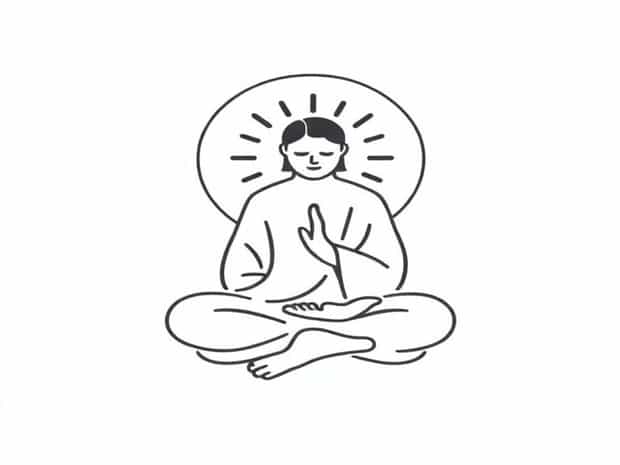
- MeditationQuiet reflection allows you to notice the flow of your mind without judgment.
- Feedback from othersListening to trusted people can reveal blind spots.
- Exploring valuesIdentifying what matters most clarifies your priorities.
- Life reviewLooking back on choices can show recurring lessons.
The Role of Emotions in Self-Knowledge
To know yourself is also to recognize how emotions influence your decisions. Many people avoid facing uncomfortable feelings, but emotions are powerful indicators of values and needs. By paying attention to what brings joy, anger, fear, or sadness, you can understand what truly drives you.
Emotional Honesty
Emotional honesty means acknowledging feelings without denying or exaggerating them. It is easy to mask insecurity with confidence or to hide sadness behind a smile. Knowing yourself requires courage to face emotions as they are, and from there, to act with integrity.
The Importance of Strengths and Weaknesses
A balanced picture of yourself includes recognizing both strengths and weaknesses. Self-knowledge is not about judgment but about clarity. By knowing where you excel, you can use your abilities fully. By understanding your limitations, you can work to improve or accept them without shame.
- StrengthsSkills, talents, or natural tendencies that allow you to succeed.
- WeaknessesAreas where you struggle or lack consistency.
Accepting Imperfections
One barrier to knowing yourself is the desire for perfection. Many avoid looking inward because they fear discovering flaws. Yet true self-knowledge includes acceptance. Imperfections are part of being human and can guide personal growth when embraced with humility.
Knowing Thyself Through Relationships
Other people serve as mirrors in the process of self-discovery. Through family, friends, and colleagues, you see how your actions affect others. Relationships reveal qualities that are difficult to notice in solitude. For example, patience or impatience becomes clearer in moments of conflict.
The Role of Dialogue
Engaging in meaningful dialogue allows you to refine your understanding of yourself. Just as Socratic questioning uncovered truth, conversations today can help challenge assumptions. Talking honestly with others encourages self-reflection and deeper awareness.
Challenges in Knowing Yourself
Despite its value, self-knowledge is not easy. Distractions, societal expectations, and fear often block the journey inward. People may avoid the truth about themselves because it feels uncomfortable or inconvenient. To overcome these obstacles, persistence and compassion are necessary.
- Distractions from technology and entertainment can prevent deep reflection.
- Social pressures may lead to living by others’ values instead of your own.
- Fear of discovering flaws may keep you from honest self-examination.
Overcoming Resistance
To overcome resistance, it helps to approach self-knowledge gradually. Small steps like ten minutes of journaling or reflection each day can open the path. Compassion toward yourself is equally important, since growth requires patience and understanding rather than harsh judgment.
Self-Knowledge and Personal Growth
Knowing yourself is not only about awareness but also about growth. Once you see your strengths, weaknesses, and values clearly, you can align your life accordingly. Decisions become easier, and relationships become more authentic when rooted in self-understanding.
Authenticity in Action
Living authentically means expressing yourself in ways that reflect your true nature. When you know yourself, you are less likely to compromise your values or seek approval from others. This authenticity leads to greater confidence and a stronger sense of purpose.
Philosophical and Spiritual Perspectives
Across traditions, the call to know thyself has appeared in many forms. In Buddhism, self-awareness is cultivated through mindfulness. In Christianity, introspection helps believers grow closer to God. In modern psychology, self-knowledge is linked with emotional intelligence. These perspectives all point to the same truth understanding yourself is central to living well.
The Timeless Nature of the Idea
The fact that so many traditions emphasize self-knowledge shows its universal importance. While methods may differ, the aim is consistent to live with wisdom, integrity, and peace. Knowing yourself is not an ancient slogan but a living practice relevant in every age.
How to know thyself is a question that continues to challenge and inspire. The journey requires honesty, reflection, and courage, but the rewards are profound. By observing your thoughts, emotions, strengths, and values, you discover the foundation of who you are. While the process is never complete, each step brings greater clarity and authenticity. In a world filled with distractions, the wisdom of know thyself is more relevant than ever, reminding us that the deepest truths are often found within.