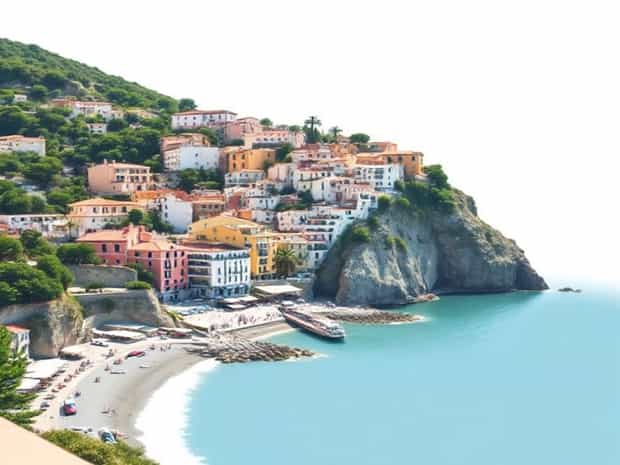
Amalfi Coast To Tuscany
Traveling from the Amalfi Coast to Tuscany offers a journey through some of Italy’s most breathtaking landscapes, combining the dramatic coastline of southern Italy with the rolling hills, vineyards, and historic towns of central Italy. This route provides travelers with an immersive experience of Italian culture, cuisine, and scenic beauty. Whether traveling by car, train, or guided tour, the journey allows visitors to witness charming villages, stunning vistas, and iconic landmarks along the way. Understanding the best routes, travel options, and highlights ensures that this Italian adventure is both memorable and enjoyable, catering to a wide range of preferences from leisure travelers to avid explorers.
Planning the Journey
When planning a trip from the Amalfi Coast to Tuscany, travelers should consider the distance, time, and preferred mode of transportation. The journey spans approximately 500 kilometers, depending on the starting point along the Amalfi Coast and the destination in Tuscany. Driving offers the most flexibility, allowing travelers to explore hidden towns and scenic viewpoints at their own pace. Alternatively, train travel provides a comfortable and efficient option, connecting major towns such as Naples, Florence, and Pisa. Early planning ensures accommodation, sightseeing stops, and travel times align with your itinerary for a stress-free experience.
Best Routes by Car
Driving from the Amalfi Coast to Tuscany allows travelers to explore lesser-known villages, vineyards, and hilltop towns along the way. The journey can begin in Amalfi, Positano, or Ravello, traveling north through Campania before entering Lazio and Tuscany. Key highways include the A3 towards Salerno and the A1 Autostrada del Sole towards Florence. Scenic detours through towns such as Orvieto, Montepulciano, or San Gimignano add cultural richness to the journey. Driving also enables travelers to stop at local restaurants, enjoy regional wines, and capture stunning photographs of the Italian countryside.
Train Travel Options
For those preferring public transportation, train travel offers a convenient alternative. Travelers can reach Naples from the Amalfi Coast by bus or ferry, then take a high-speed train to Florence, Pisa, or Siena in Tuscany. Trains operated by Trenitalia or Italo provide reliable schedules, comfortable seating, and scenic views along the route. Train travel eliminates the stress of navigating Italian highways and parking, making it ideal for tourists who want to focus on sightseeing and enjoying the journey without driving responsibilities.
Highlights Along the Route
The route from the Amalfi Coast to Tuscany passes through some of Italy’s most picturesque regions, offering opportunities to explore coastal towns, historic cities, and scenic countryside. Along the way, travelers can experience diverse landscapes, from rugged cliffs overlooking the Tyrrhenian Sea to rolling hills dotted with vineyards and cypress trees in Tuscany. Planning stops at key towns and attractions enhances the overall travel experience, allowing visitors to immerse themselves in Italian culture, history, and gastronomy.
Amalfi Coast Highlights
- Positano – Famous for colorful cliffside houses, boutique shopping, and beach views.
- Amalfi – Historic town with stunning cathedral and coastal charm.
- Ravello – Offers panoramic gardens, music festivals, and breathtaking vistas.
- Path of the Gods – Hiking trail providing dramatic views of the coastline.
Stops En Route
- Salerno – Coastal city with historic architecture and lively waterfront.
- Orvieto – Hilltop town known for its cathedral, medieval streets, and underground caves.
- Montepulciano – Tuscan town famous for wine production and Renaissance architecture.
- Siena – Renowned for its historic piazza, Palio horse race, and medieval charm.
Tuscany Highlights
- Florence – Home to Renaissance art, museums, and iconic landmarks like the Duomo.
- Pisa – Famous for the Leaning Tower and historic center.
- Chianti Region – Vineyards and wine tours offering authentic Tuscan experiences.
- San Gimignano – Medieval town with towers, gelaterias, and panoramic views.
Travel Tips and Considerations
Traveling from the Amalfi Coast to Tuscany requires careful planning to maximize enjoyment and minimize stress. Timing, transportation, and accommodations play a significant role in ensuring a smooth journey. Travelers should also consider local customs, seasonal weather, and peak tourist periods, which can affect traffic, train availability, and hotel bookings. Packing essentials such as comfortable walking shoes, a camera, and local maps enhances the travel experience. Additionally, reserving accommodations in advance, especially in popular towns like Florence or Positano, ensures a stress-free itinerary.
Seasonal Considerations
- Spring (April to June) – Pleasant temperatures, blooming landscapes, and fewer crowds.
- Summer (July to August) – Warm weather, high tourist season, and vibrant festivals.
- Autumn (September to October) – Harvest season, scenic foliage, and wine festivals.
- Winter (November to March) – Quieter travel, lower prices, but cooler weather.
Food and Wine Experiences
The journey from the Amalfi Coast to Tuscany offers unparalleled culinary opportunities. Coastal towns provide fresh seafood, limoncello, and traditional Italian cuisine. As travelers move inland toward Tuscany, they encounter world-renowned wines, olive oils, and rustic dishes featuring local produce. Visiting vineyards, participating in wine tastings, and sampling regional specialties like Tuscan steak or handmade pasta adds a rich dimension to the travel experience, connecting visitors with the local culture and traditions.
Accommodation Options
Accommodation choices vary widely along the route, from luxury hotels and boutique stays on the Amalfi Coast to charming agriturismos and villas in Tuscany. Choosing accommodations based on location, amenities, and accessibility to attractions enhances convenience and comfort. Agriturismos, or farm stays, provide a unique opportunity to experience rural Tuscan life, often including meals made with fresh local ingredients. Coastal hotels offer stunning sea views and easy access to beaches, while city-based lodgings in Florence or Siena allow travelers to explore historic centers on foot.
Suggested Accommodation Types
- Luxury coastal hotels – Ideal for comfort and panoramic views of the Tyrrhenian Sea.
- Boutique inns – Offer personalized service and charm in historic towns.
- Agriturismos – Rustic countryside stays providing authentic Tuscan experiences.
- City hotels – Central accommodations in Florence, Siena, or Pisa for cultural exploration.
Traveling from the Amalfi Coast to Tuscany is a remarkable journey through Italy’s most iconic landscapes, blending coastal beauty with historic towns and rolling countryside. Planning the route, whether by car or train, allows travelers to explore hidden gems and famous attractions along the way. Stops in towns like Positano, Orvieto, Montepulciano, and Florence provide cultural, historical, and gastronomic experiences that enrich the journey. Seasonal considerations, accommodation choices, and local culinary experiences further enhance the trip, making it a memorable adventure for every traveler. This route represents the essence of Italian travel, combining breathtaking scenery, cultural immersion, and world-class cuisine into a single, unforgettable itinerary.
Whether seeking relaxation on the Amalfi Coast, wine tasting in Tuscany, or exploring medieval towns, this journey provides a diverse and fulfilling travel experience. Careful planning, consideration of travel options, and an appreciation for local culture ensure that the journey from the Amalfi Coast to Tuscany is both comfortable and rewarding. The combination of scenic drives, historic landmarks, and authentic Italian experiences makes this route a must for travelers seeking to experience the heart and soul of Italy.