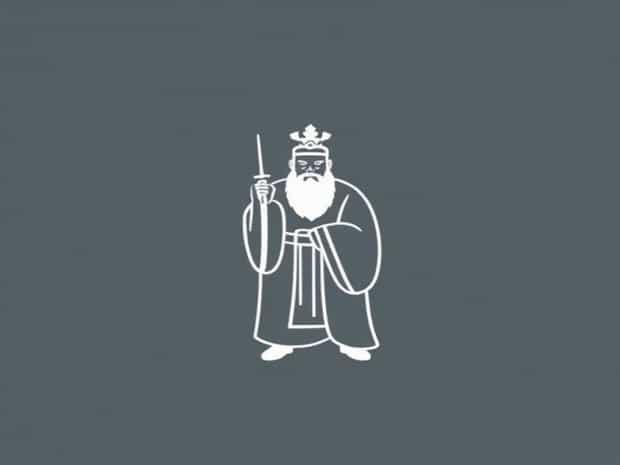
According To Mencius What Is The Most Important Duty
Mencius, one of the most influential Confucian philosophers, believed that human beings are naturally inclined toward goodness and moral development. His teachings, which continue to shape philosophy and ethics today, emphasize duties not just to oneself, but also to family, society, and rulers. When people ask, According to Mencius what is the most important duty? the answer is not found in a single line, but through his consistent focus on righteousness, moral cultivation, and the well-being of the people. Understanding his philosophy requires looking at how he linked duty with morality, social harmony, and governance.
The Central Role of Duty in Mencius’ Philosophy
Mencius argued that humans are born with an innate sense of compassion and moral awareness, often described as the sprouts of virtue. He believed that duty emerges from nurturing these natural tendencies. Instead of rigid laws alone, he emphasized moral responsibility as the foundation of human conduct. This makes duty not a burden, but an extension of human nature.
According to Mencius, What Is the Most Important Duty?
Mencius considered the duty of righteousness (yi) as the highest obligation a person must follow. While filial piety and loyalty were important, he stressed that righteousness the moral duty to act justly and ethically was above blind obedience. For Mencius, one’s most important duty was to preserve integrity, even if it meant challenging authority or sacrificing personal gain.
The Duty of Righteousness Over Self-Interest
One of Mencius’ most famous ideas is that choosing righteousness over profit is the true mark of a virtuous person. He criticized rulers and individuals who pursued wealth or power at the expense of moral duty. To him, righteousness ensures justice and fairness in both private life and governance.
- Righteousness is a moral compass that guides ethical action.
- It is more valuable than wealth, status, or temporary gain.
- It forms the foundation of good leadership and social trust.
The Duty of Benevolence and Compassion
Closely linked to righteousness is benevolence (ren). Mencius taught that the heart naturally feels compassion when seeing others suffer. This compassion must guide our duties, especially for rulers. He believed that a king’s most important responsibility was to secure the well-being of the people. If a ruler failed in this duty, the people had the moral right to withdraw loyalty.
Examples of Benevolent Duty
- Providing food and stability for the people.
- Ensuring justice for the weak and vulnerable.
- Promoting fairness in law and governance.
- Demonstrating kindness in personal relationships.
The Duty Toward Family
Family duties were central in Mencius’ philosophy, but they were always framed through righteousness. Filial piety, or respect toward parents, was crucial, but it was not absolute if it conflicted with moral principles. Mencius highlighted that true loyalty to family meant acting with integrity so that one could bring honor and virtue to them.
Balancing Family Duty and Morality
Mencius often argued that if a parent acted wrongly, the child had a duty to correct them respectfully. This shows that moral duty outweighed blind obedience, even in close relationships. The harmony between family loyalty and righteousness created a strong foundation for ethical society.
The Duty of a Ruler According to Mencius
Mencius emphasized that rulers carry the heaviest duty of all to serve the people. Unlike rulers who claimed divine authority without accountability, Mencius insisted that the legitimacy of leadership came from fulfilling this duty. A ruler must protect, nurture, and respect the people’s needs.
- A ruler must govern with compassion and justice.
- Excessive taxation and exploitation violate moral duty.
- Leadership should reflect righteousness, not just power.
- If rulers fail their duty, the people may rightfully oppose them.
Duty to Society and Humanity
Mencius extended the idea of duty beyond personal and political life to include society as a whole. He believed that everyone has a responsibility to contribute to harmony, stability, and justice. This means that the most important duty was not just individual righteousness, but also fostering collective well-being.
How This Duty Is Practiced
- Supporting fairness in trade and community interactions.
- Helping others in times of crisis.
- Living as an example of moral conduct.
- Challenging injustice when it arises in society.
Comparing Duty and Profit
One of the recurring lessons from Mencius is his distinction between duty and profit. He believed that individuals and rulers who prioritized profit above all else would destroy society’s moral foundation. By contrast, those who chose duty ensured long-lasting peace and respect. This perspective is why many scholars emphasize that Mencius’ most important teaching is the duty of righteousness.
How Duty Shapes Leadership
According to Mencius, a leader who fulfills their duty brings stability and loyalty without force. Instead of ruling through fear, they rule through respect and benevolence. This principle still influences modern discussions of ethical leadership, showing that his philosophy transcends time and culture.
Why Righteousness Is the Most Important Duty
To summarize, Mencius highlighted many duties family respect, compassion, loyalty, and leadership responsibilities. Yet, he placed righteousness above them all because it serves as the guiding principle. Without righteousness, other duties lose their meaning. It ensures that compassion is genuine, that loyalty is balanced with justice, and that leadership remains accountable to the people.
Lessons for Modern Life
Though Mencius lived centuries ago, his teaching on duty is still relevant today. In workplaces, families, and governments, the principle of righteousness can guide ethical choices. By prioritizing moral duty over personal profit or convenience, individuals can build trust and contribute to harmony in their communities.
Modern Applications
- In business, choosing ethical practices over unfair profits.
- In politics, prioritizing public service over personal gain.
- In family life, balancing respect with moral accountability.
- In daily interactions, acting with fairness and compassion.
According to Mencius, the most important duty is righteousness, the commitment to act morally and justly even when faced with challenges or temptations. While duties to family, rulers, and society are essential, righteousness ensures these duties are carried out with integrity. By teaching that human nature is innately good and capable of compassion, Mencius emphasized that duty is not an external burden but an inner calling. His wisdom continues to inspire ethical living, reminding us that true greatness lies not in profit or power, but in fulfilling our highest duty to righteousness.