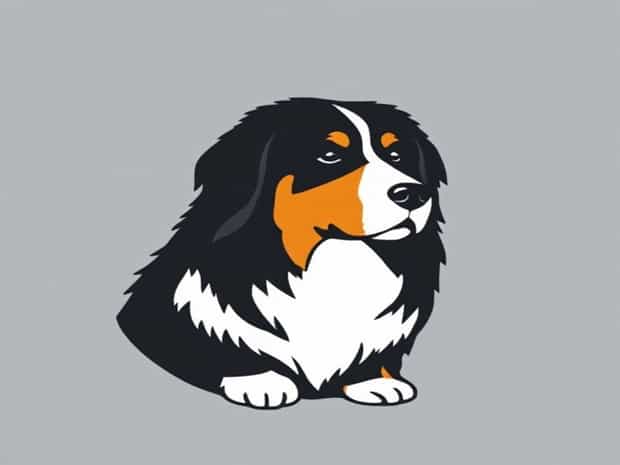
A Bernese Mountain Dog
The Bernese Mountain Dog is one of the most beloved large dog breeds, admired for its gentle temperament, striking tri-colored coat, and strong working background. Originally bred in the Swiss Alps as a farm dog, this breed has transitioned into a loyal family companion that thrives in both rural and suburban environments. Known for their affectionate nature, Bernese Mountain Dogs are often described as gentle giants, capable of forming deep bonds with their families while still maintaining the strength and endurance of a working dog. Their history, appearance, and temperament make them a fascinating breed that continues to capture hearts around the world.
History and Origins
The Bernese Mountain Dog, often referred to as the Berner,” comes from the canton of Bern in Switzerland. These dogs were bred to help farmers with a variety of tasks, including pulling carts, driving cattle, and guarding property. Their strength and endurance made them reliable working dogs, while their even temperament made them trustworthy around livestock and people. Over time, their role shifted from farm helper to beloved companion, but their heritage as a versatile worker remains a key part of the breed’s identity.
Appearance and Characteristics
One of the most recognizable features of the Bernese Mountain Dog is its beautiful coat. The breed is known for its long, thick, and tricolored fur, which combines black, white, and rust markings in a distinctive pattern. Beyond their coat, Berners are large, powerful dogs, with males weighing between 80 and 115 pounds and females typically ranging from 70 to 95 pounds. Despite their size, their expressive eyes and calm demeanor give them a friendly, approachable look.
Distinctive Features
- A broad head with gentle, intelligent eyes
- Tri-colored coat featuring black as the base color with white and rust accents
- Long, bushy tail carried low when relaxed
- Strong, muscular build that reflects their working heritage
Temperament and Personality
The Bernese Mountain Dog is known for its kind and affectionate personality. They are loyal and devoted to their families, often forming strong bonds with children and adults alike. Despite their large size, they are typically gentle and patient, which makes them excellent family pets. These dogs thrive on companionship and do not do well if left alone for long periods, as they are highly social animals.
Behavior Traits
- Gentle with children and protective of their family
- Generally friendly with other pets and animals
- Eager to please, making them responsive to training
- Can be shy or reserved around strangers until they feel comfortable
Training and Socialization
Training a Bernese Mountain Dog is generally rewarding due to their intelligence and willingness to please. Early socialization is essential to ensure they grow into confident, well-mannered adults. Positive reinforcement methods, such as treats and praise, work particularly well for this breed. Because they are sensitive dogs, harsh training methods can be counterproductive. Consistency and patience are key to bringing out the best in them.
Exercise and Activity Needs
Although not as high-energy as some working breeds, Bernese Mountain Dogs do require regular exercise to stay healthy and happy. Daily walks, playtime in the yard, and opportunities to run in safe spaces are important for their physical and mental well-being. Because of their history as working dogs, they also enjoy activities that give them a sense of purpose, such as pulling carts, agility training, or hiking with their owners.
Recommended Activities
- Daily walks or moderate hikes
- Outdoor play sessions with family members
- Training games that engage their minds
- Participation in dog sports like cart pulling or agility
Health Considerations
Like many large breeds, the Bernese Mountain Dog has certain health concerns that potential owners should be aware of. Their average lifespan is relatively short, typically between 7 to 10 years. Responsible breeding practices have helped reduce some hereditary issues, but owners should remain attentive to the breed’s specific vulnerabilities.
Common Health Issues
- Hip and elbow dysplasia
- Cancer, which is unfortunately more common in this breed
- Bloat or gastric torsion
- Progressive retinal atrophy and other eye conditions
Regular veterinary care, a balanced diet, and proper exercise can help maintain a Bernese Mountain Dog’s health. Owners should also work with breeders who prioritize genetic testing and healthy breeding practices to reduce risks.
Grooming and Maintenance
The Bernese Mountain Dog’s thick double coat requires consistent grooming. Weekly brushing helps manage shedding and prevents matting, while more frequent brushing may be needed during seasonal shedding periods. Bathing should be done as needed, and routine care like nail trimming, ear cleaning, and dental hygiene are essential for overall health. Their grooming needs are manageable with regular attention, and many owners find the time spent brushing strengthens the bond with their dog.
Living Environment
Bernese Mountain Dogs are adaptable but thrive best in homes with space to move around. They are not well-suited to hot climates due to their heavy coat, so they need shade and cool resting areas in warmer weather. These dogs prefer to be close to their families, whether indoors or in a securely fenced yard. Apartment living can be possible if owners are committed to providing daily exercise, but they are happiest in larger homes with access to outdoor spaces.
Suitability as a Family Dog
For families looking for a large, gentle companion, the Bernese Mountain Dog is often an excellent match. They are protective yet kind, making them reliable around children. Their calm and patient nature makes them less overwhelming than some other large breeds, though their size and strength still require supervision around very young kids. Families who enjoy spending time outdoors will find a willing partner in the Bernese, as they love joining in on hikes, walks, and play sessions.
Activities and Work Roles Today
While many Bernese Mountain Dogs now live primarily as family pets, their working heritage is still celebrated. They excel in dog sports, therapy work, and even light draft work. Some organizations encourage owners to engage their dogs in pulling carts or participating in community events that highlight the breed’s history. These activities not only provide physical exercise but also enrich the dog’s sense of purpose and connection to its roots.
Why the Bernese Mountain Dog Stands Out
There are many large breeds available to dog lovers, but the Bernese Mountain Dog stands out for its balance of beauty, strength, and gentleness. Its tri-colored coat is stunning, but its personality is what truly wins people over. Few breeds can combine a working dog’s toughness with a companion’s softness as seamlessly as the Bernese does. This unique blend makes them one of the most admired and sought-after large breeds worldwide.
The Bernese Mountain Dog is a breed that embodies loyalty, affection, and resilience. With their striking appearance, friendly nature, and history as hardworking farm dogs, they have earned a place as cherished companions in countless households. While they require grooming, exercise, and health awareness, the rewards of sharing life with a Bernese Mountain Dog are immeasurable. For those who can provide the love, time, and care they deserve, these gentle giants will return it with unwavering devotion and companionship.