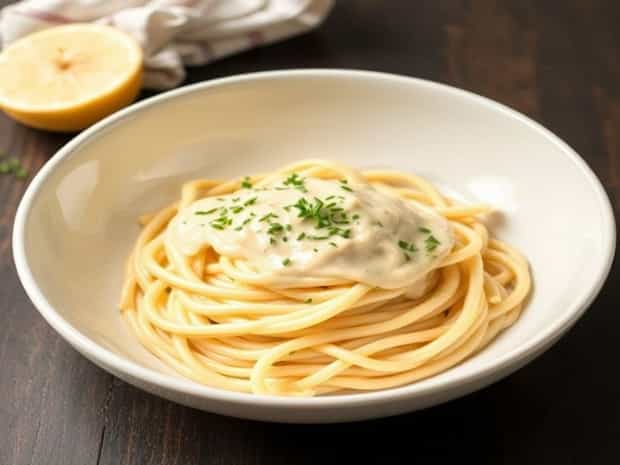
How To Make Alfredo Pasta
Alfredo pasta is a classic Italian dish known for its rich, creamy sauce and comforting flavors. It has become a favorite in homes and restaurants alike due to its simplicity and indulgent taste. Making Alfredo pasta from scratch may seem intimidating at first, but with the right ingredients and techniques, anyone can create a flavorful, restaurant-quality dish. From selecting the proper pasta to preparing a smooth, creamy Alfredo sauce, every step contributes to the final result. Understanding how to make Alfredo pasta allows you to customize flavors, control ingredients, and enjoy a satisfying meal anytime.
Ingredients Needed for Alfredo Pasta
Before starting, gather all the ingredients needed for a traditional Alfredo pasta. The quality of ingredients plays a significant role in the flavor and texture of the final dish.
- Fettuccine or your preferred pasta
- Unsalted butter
- Heavy cream
- Freshly grated Parmesan cheese
- Garlic cloves, minced
- Salt and freshly ground black pepper
- Optional parsley for garnish
Selecting the Right Pasta
Fettuccine is the traditional choice for Alfredo pasta because its wide, flat shape holds the creamy sauce well. However, you can use other types of pasta such as linguine, tagliatelle, or even penne if you prefer. Fresh pasta cooks faster and absorbs the sauce more effectively, but dried pasta works perfectly when cooked al dente. Ensure that the pasta is properly salted during cooking to enhance flavor.
Preparing the Alfredo Sauce
The Alfredo sauce is the heart of this dish. It is rich, creamy, and made from simple ingredients, yet the technique determines how smooth and flavorful the sauce turns out.
Step 1 Melting Butter
Begin by melting unsalted butter in a large skillet over medium heat. Butter is the base of the sauce, providing a rich flavor. Avoid browning the butter; you want it melted evenly without developing a nutty color.
Step 2 Adding Garlic
Once the butter is melted, add minced garlic and sauté briefly until fragrant. Garlic enhances the flavor of the sauce but should not be overcooked, as it can become bitter. This step ensures the sauce has a subtle, aromatic undertone.
Step 3 Incorporating Heavy Cream
After sautéing the garlic, slowly pour in heavy cream while stirring continuously. Heavy cream provides the creamy texture that is characteristic of Alfredo sauce. Allow the cream to heat gently, but avoid bringing it to a rapid boil to prevent separation. Stirring ensures a smooth consistency.
Step 4 Adding Parmesan Cheese
Gradually add freshly grated Parmesan cheese to the cream mixture while stirring. Parmesan melts into the sauce, creating a thick and flavorful coating for the pasta. Use high-quality Parmesan for the best taste. Adjust the amount of cheese according to personal preference for a richer or lighter flavor.
Step 5 Seasoning
Season the sauce with salt and freshly ground black pepper. Taste and adjust seasoning as needed. Some recipes may include a pinch of nutmeg for additional depth, but it is optional. The key is to balance the flavors so that the cheese, cream, and butter blend harmoniously.
Cooking and Combining Pasta
While preparing the sauce, cook the pasta in a large pot of salted boiling water according to the package instructions. Ensure the pasta is cooked al dente, as it will continue to absorb the sauce after being combined. Reserve a small amount of pasta water before draining; it can be used to adjust the sauce consistency if necessary.
Combining Pasta and Sauce
Once the pasta is cooked and drained, add it directly to the skillet with the Alfredo sauce. Toss gently to coat the pasta evenly with the sauce. If the sauce is too thick, gradually add reserved pasta water until the desired consistency is achieved. Properly combining pasta and sauce ensures each strand is coated with creamy flavor.
Optional Additions and Variations
Alfredo pasta can be customized with additional ingredients to enhance flavor and texture. Popular variations include
- Chicken AlfredoAdd cooked, sliced chicken breast for a protein-rich version.
- Shrimp AlfredoIncorporate sautéed shrimp for a seafood twist.
- Vegetable AlfredoAdd steamed broccoli, spinach, or mushrooms for added nutrition and color.
- Herbs and SeasoningsFresh parsley, basil, or thyme can add freshness and aroma.
Serving Alfredo Pasta
Serve the Alfredo pasta immediately while hot, as the sauce thickens as it cools. Garnish with freshly chopped parsley or extra grated Parmesan cheese. Pair with a side of garlic bread, a fresh salad, or a glass of white wine for a complete meal. Presentation enhances the dining experience, making the dish look as appealing as it tastes.
Tips for Perfect Alfredo Pasta
- Use fresh ingredients for the best flavor, especially high-quality Parmesan cheese.
- Do not overheat the sauce to prevent it from curdling or separating.
- Cook pasta al dente to maintain texture when combined with the sauce.
- Reserve pasta water to adjust sauce consistency if needed.
- Serve immediately for optimal creaminess and flavor.
Common Mistakes to Avoid
Some common mistakes when making Alfredo pasta include using pre-shredded cheese, which often contains anti-caking agents that can affect melting, and cooking the sauce too quickly, which may cause separation. Overcooking pasta or failing to season properly can also impact the overall dish. Following proper techniques ensures a smooth, flavorful, and authentic Alfredo pasta.
Making Alfredo pasta at home is both rewarding and achievable with the right approach. By selecting quality ingredients, following proper techniques for the sauce, and combining it thoughtfully with perfectly cooked pasta, you can create a rich and creamy dish that rivals restaurant versions. Optional additions such as chicken, shrimp, or vegetables allow for customization to suit personal tastes. Enjoying Alfredo pasta immediately, paired with complementary sides or garnishes, ensures a delightful dining experience. Understanding how to make Alfredo pasta empowers home cooks to craft a classic Italian favorite with confidence, creativity, and satisfaction.