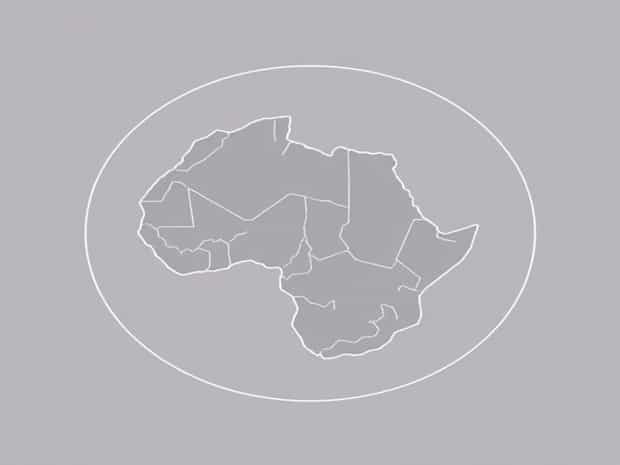
Geographical Zones Prone To Desertification
Desertification is one of the most pressing environmental challenges facing the world today, affecting millions of people and vast stretches of land. It occurs when fertile land becomes increasingly arid, losing its productivity and vegetation cover due to a combination of natural factors and human activities. Understanding the geographical zones prone to desertification is crucial for developing strategies to prevent land degradation and ensure sustainable land use. These zones are typically characterized by dry climates, fragile ecosystems, and socio-economic pressures that exacerbate environmental vulnerability. By identifying areas most at risk, governments, scientists, and communities can take targeted action to mitigate the impacts of desertification and preserve critical ecosystems for future generations.
Defining Desertification
Desertification is more than the simple expansion of deserts; it is a process of land degradation in arid, semi-arid, and dry sub-humid regions resulting from climatic variations and human activities. Factors such as deforestation, overgrazing, unsustainable agricultural practices, and water mismanagement accelerate soil erosion, reduce soil fertility, and alter natural vegetation. Climate change also contributes to desertification by increasing temperatures, reducing rainfall, and causing prolonged droughts in vulnerable regions. Understanding the mechanisms of desertification provides insights into why certain geographical zones are more prone to this phenomenon than others.
Climatic Factors and Vulnerable Zones
The primary geographical zones prone to desertification are defined largely by climatic conditions. Arid and semi-arid regions, where rainfall is scarce and evaporation rates are high, are most susceptible. These areas often experience extreme temperatures, low soil moisture, and seasonal variability in precipitation. Regions with fragile ecosystems and limited natural vegetation cover are particularly at risk, as they are less capable of resisting land degradation. The combination of harsh climatic conditions and human pressures makes these zones highly vulnerable to desertification, requiring careful monitoring and intervention.
Major Geographical Zones Prone to Desertification
Desertification is not confined to traditional desert areas; it affects diverse regions around the world. Some of the most affected zones include
1. The Sahel Region in Africa
The Sahel, a semi-arid region stretching across the southern edge of the Sahara Desert, is one of the most well-known zones prone to desertification. Countries such as Senegal, Mali, Niger, and Chad face chronic land degradation due to deforestation, overgrazing, and irregular rainfall patterns. The Sahel’s fragile soils and high dependence on subsistence agriculture make it particularly vulnerable, leading to food insecurity, loss of livelihoods, and increased migration. Efforts to combat desertification in this region include reforestation projects, sustainable farming practices, and improved water management.
2. Central Asia
Central Asia, encompassing countries like Kazakhstan, Uzbekistan, and Turkmenistan, is another area highly susceptible to desertification. The region’s arid and semi-arid climate, coupled with intensive agricultural practices, has resulted in significant soil degradation. Irrigation projects, while essential for crop production, have also contributed to salinization, further reducing soil fertility. Desertification in Central Asia threatens not only agriculture but also biodiversity, water resources, and the socio-economic stability of local communities.
3. The Middle East
Countries in the Middle East, including Iran, Iraq, and Saudi Arabia, experience severe desertification due to prolonged droughts, overgrazing, and unsustainable water use. The region’s natural aridity, combined with population growth and urban expansion, intensifies pressure on limited land resources. Desertification exacerbates water scarcity, reduces agricultural productivity, and increases the risk of dust storms, which have health and economic consequences for the population. Effective land management and conservation strategies are essential to combat these challenges in the Middle East.
4. Australia
Australia, particularly its interior and western regions, faces desertification risks due to its predominantly arid climate and historical land use practices. Overgrazing by livestock, deforestation, and unsustainable farming have contributed to soil erosion and degradation. The country’s natural susceptibility to drought and high evaporation rates further increases the vulnerability of its landscapes. Initiatives such as soil restoration, revegetation, and sustainable grazing management are critical in mitigating desertification in Australia.
5. South America
In South America, desertification affects regions such as the Gran Chaco and parts of northeastern Brazil. These areas experience dry conditions, soil degradation, and deforestation, which threaten local agriculture and biodiversity. Overgrazing and land conversion for agriculture have accelerated desertification processes, leading to reduced soil fertility and water scarcity. Programs promoting sustainable land use, afforestation, and soil conservation are vital to address desertification in these regions.
Human Activities and Desertification
While climatic factors play a significant role, human activities are major contributors to desertification across the world. Unsustainable agricultural practices, deforestation for fuel and construction, overgrazing by livestock, and improper irrigation methods all degrade soil quality and reduce vegetation cover. Urbanization and industrial expansion further intensify pressure on land resources, increasing the risk of desertification in vulnerable zones. Addressing human-induced factors is crucial to prevent and reverse land degradation in prone regions.
Impact on Communities
Desertification has profound socio-economic impacts on communities living in affected zones. Reduced soil fertility and declining agricultural yields threaten food security, income, and livelihoods. Scarcity of water resources increases competition and can lead to social conflicts. Migration from degraded lands to urban centers creates additional pressures on infrastructure and social services. Moreover, desertification exacerbates poverty and limits development opportunities, highlighting the need for targeted interventions to protect communities in vulnerable zones.
Strategies to Combat Desertification
Combating desertification requires integrated approaches that combine environmental, social, and economic solutions. Key strategies include
- Afforestation and ReforestationPlanting trees and vegetation to stabilize soil and improve water retention.
- Sustainable Agricultural PracticesImplementing crop rotation, agroforestry, and soil conservation techniques.
- Water ManagementEfficient irrigation systems, rainwater harvesting, and prevention of salinization.
- Community EngagementEducating and involving local populations in land management and conservation efforts.
- Policy and GovernanceEstablishing regulations and incentives to promote sustainable land use and prevent degradation.
International Efforts
Global initiatives such as the United Nations Convention to Combat Desertification (UNCCD) play a crucial role in addressing desertification. These efforts include monitoring vulnerable zones, supporting sustainable land management projects, and promoting international cooperation. By focusing on regions most at risk, international organizations help mobilize resources, share knowledge, and implement best practices to mitigate desertification worldwide.
Geographical zones prone to desertification span continents and climates, from the semi-arid Sahel in Africa to arid regions of Central Asia, the Middle East, Australia, and South America. These areas are characterized by dry climates, fragile soils, and pressures from human activities that accelerate land degradation. Desertification poses significant threats to ecosystems, food security, and socio-economic stability, making it essential to understand and address the factors contributing to this process. By identifying vulnerable zones and implementing sustainable land management strategies, communities and governments can reduce the impact of desertification and protect the environment for future generations.
Understanding the geographical zones most at risk of desertification allows for targeted interventions that preserve soil health, maintain water resources, and support sustainable livelihoods. Combating desertification requires global cooperation, community involvement, and a commitment to sustainable practices. By taking action today, we can ensure that these vulnerable zones remain productive, resilient, and capable of supporting human and ecological life for generations to come.