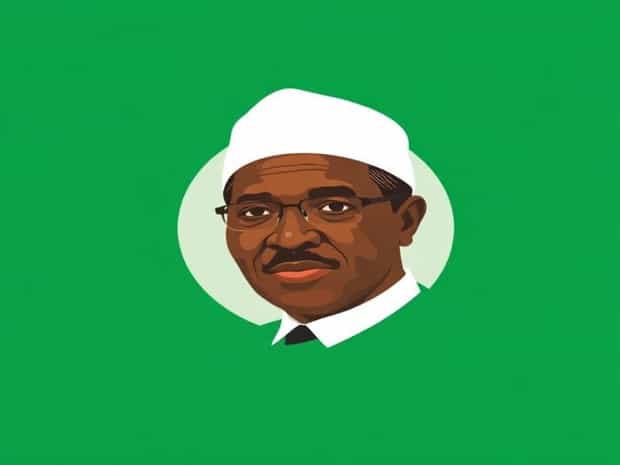
First Civilian President Of Nigeria
Nigeria, Africa’s most populous nation, has experienced a long and complex political history shaped by colonial rule, military regimes, and the struggle for democratic governance. Among its defining milestones was the rise of the first civilian president, an event that symbolized the people’s aspiration for freedom and stability. The journey to civilian leadership was not straightforward, as Nigeria faced repeated interruptions by military rulers after independence. However, the eventual inauguration of its first civilian president marked a turning point, offering hope that the country could chart its future through democratic ideals rather than military might.
Background of Nigeria’s Political Transition
After gaining independence from Britain in 1960, Nigeria entered a new phase of governance with high expectations. Yet, internal divisions, ethnic tensions, and struggles for power soon destabilized the political environment. The early years saw civilian leaders attempt to establish democratic governance, but frequent coups undermined progress. Military rule became the dominant force for much of Nigeria’s post-independence history, making the idea of a civilian president both significant and symbolic.
The Importance of Civilian Leadership
The inauguration of the first civilian president of Nigeria meant more than just a change in leadership style. It represented the people’s demand for representation, accountability, and the promise of a government not driven by military interests. Civilian governance was seen as a step toward greater inclusion, respect for human rights, and policies rooted in civilian needs rather than the priorities of the armed forces.
Who Was the First Civilian President of Nigeria?
The first civilian president of Nigeria was Shehu Usman Aliyu Shagari, elected in 1979. His election followed years of military rule and the eventual transition to civilian governance under what became known as the Second Republic. Shagari’s presidency was historic because it reflected the people’s ability to choose their leader through democratic processes, despite the fragile nature of Nigeria’s political system at the time.
Early Life and Background of Shehu Shagari
Born in 1925 in Sokoto, Shagari grew up in a traditional environment but pursued education, eventually becoming a teacher before venturing into politics. His career in public service began with his election to the House of Representatives in 1954. Over the years, he held various ministerial positions, including roles in commerce, works, and finance. His extensive political experience made him a familiar figure to Nigerians by the time of the 1979 election.
The 1979 Election and the Second Republic
The return to civilian rule in 1979 was a landmark achievement. The election that brought Shehu Shagari to power was conducted under a new constitution designed to prevent the mistakes of the past. The system adopted a presidential model similar to that of the United States, aiming to create a stronger executive capable of balancing Nigeria’s diverse ethnic and regional interests.
Political Challenges of the Second Republic
Despite the enthusiasm surrounding the election, challenges emerged almost immediately. Nigeria’s economy faced difficulties, particularly due to fluctuating oil prices, which were the backbone of national revenue. Corruption, mismanagement, and rising expectations also put pressure on Shagari’s administration. Nonetheless, his presidency represented the possibility of civilian governance, even if the path remained rocky.
Policies and Achievements of Shagari’s Presidency
During his time as president, Shehu Shagari attempted to strengthen Nigeria’s infrastructure and economy through a series of initiatives. His policies reflected both the opportunities and difficulties of governing a young democracy with vast natural resources but persistent political instability.
- Introduction of the Green Revolution program to improve agriculture and reduce dependence on food imports.
- Efforts to expand education and improve literacy rates.
- Investment in housing and public works to modernize urban centers.
- Attempts to stabilize the economy during volatile oil market conditions.
Limitations of His Administration
While these policies had potential, many were undermined by corruption, inefficiency, and political rivalry. Nigeria’s dependence on oil revenues left the country vulnerable to global price shocks, and widespread dissatisfaction grew. Despite his civilian leadership, Shagari’s presidency highlighted the difficulties of governance in a system still adjusting to democracy after years of authoritarian rule.
Challenges Faced by the First Civilian President
The first civilian president of Nigeria had to contend with multiple layers of challenge, ranging from economic instability to political unrest. The expectations of citizens were immense, as many hoped that democracy would quickly bring prosperity. However, the reality was that decades of military dominance had weakened institutions, making the transition fragile.
Key Obstacles
- Ethnic and regional divisions that complicated national unity.
- Widespread corruption that eroded public trust.
- Economic dependence on oil exports and the vulnerability it created.
- Military influence that remained strong despite the return to civilian rule.
The Fall of the Second Republic
By 1983, Nigeria was once again in crisis. The elections held that year were marred by allegations of widespread rigging and political violence. Disillusionment with the government grew, and the military once again seized power in December 1983, overthrowing Shehu Shagari. This coup marked the end of the Second Republic and a return to military dominance, showing how fragile Nigeria’s democratic institutions remained at the time.
Legacy of Shagari’s Presidency
Although his presidency ended abruptly, Shehu Shagari’s time in office holds historical importance. As the first civilian president, he demonstrated that Nigeria could attempt democracy even under challenging circumstances. His legacy is remembered as both a symbol of hope and a cautionary tale about the difficulties of transitioning from authoritarian rule to stable civilian governance.
Significance of the First Civilian President in Nigeria’s History
The importance of Nigeria’s first civilian president cannot be overstated. His election marked a symbolic break from military control and affirmed the principle that leadership should come from the will of the people. Although his government faced numerous flaws, the precedent he set encouraged future leaders and movements to push for democratic governance.
Impact on Nigeria’s Democratic Journey
The struggles of the Second Republic laid the foundation for later democratic reforms. They showed the need for stronger institutions, better checks and balances, and a more inclusive political culture. Nigeria’s eventual return to democracy in 1999 built upon lessons learned from earlier experiences like Shagari’s presidency.
The story of Shehu Shagari, the first civilian president of Nigeria, is both inspiring and instructive. His election in 1979 symbolized the hope of democratic governance after years of military control. Despite the challenges and eventual collapse of his administration, his presidency remains a milestone in Nigeria’s political history. It represents the enduring aspiration of Nigerians to be governed by civilians chosen through democratic processes, a vision that continues to shape the country’s future.