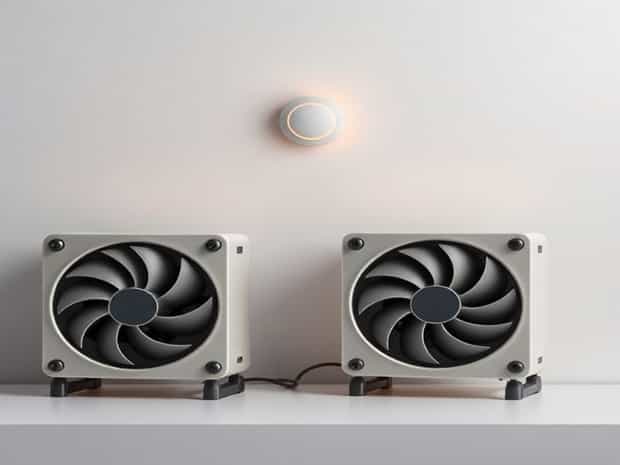
Can Cooling Fans Be Controlled Thermostatically
Cooling fans play a crucial role in maintaining safe operating temperatures for engines, electronic devices, and even home appliances. Many people wonder whether cooling fans can be controlled thermostatically, meaning they automatically switch on and off depending on temperature. This question is especially important for those who want to improve energy efficiency, reduce noise, and ensure consistent performance. Understanding how thermostatic control works and its benefits can help users make better decisions when managing cooling systems in cars, computers, and other machinery.
Understanding Thermostatic Control
Thermostatic control is a process where a thermostat monitors temperature and triggers the fan to operate only when the temperature reaches a certain level. Once the temperature falls below that threshold, the fan shuts off. This smart regulation saves energy, reduces wear and tear, and ensures that cooling fans only run when necessary.
How a Thermostat Works
A thermostat is essentially a temperature-sensitive switch. It may use bimetallic strips, electronic sensors, or thermistors to detect changes in temperature. When the environment becomes too hot, the thermostat completes the electrical circuit, powering the fan. Once conditions cool down, the circuit opens, and the fan stops running.
Cooling Fans in Automobiles
In vehicles, cooling fans are essential for regulating the engine’s temperature. Modern cars often use thermostatically controlled cooling fans to ensure optimal efficiency. The fan turns on when the coolant temperature sensor signals that the engine is getting too hot. As soon as the engine cools to a safe range, the fan shuts off automatically.
Advantages in Cars
- Prevents engine overheating and damage.
- Reduces unnecessary fan operation, saving fuel and battery life.
- Minimizes noise compared to fans that run continuously.
- Improves overall engine efficiency and longevity.
Thermostatically Controlled Cooling Fans in Electronics
Electronics such as desktop computers, servers, and gaming systems often rely on cooling fans. These fans can also be managed thermostatically, especially when paired with smart temperature sensors inside the device. When the CPU or GPU reaches a certain heat threshold, the fan speeds up to provide additional cooling.
Benefits in Electronic Devices
- Extends the lifespan of sensitive components like processors and graphics cards.
- Lowers energy use by running fans only when needed.
- Improves user experience by reducing unnecessary fan noise.
- Prevents sudden thermal shutdowns caused by overheating.
Household and Industrial Applications
Cooling fans with thermostatic control are also common in household appliances such as refrigerators, ovens, and air conditioning units. In industrial settings, large machinery and electrical cabinets often depend on thermostatically managed fans to keep equipment running safely.
Examples of Everyday Use
- RefrigeratorsFans activate when the internal temperature rises above a safe point, ensuring food stays fresh.
- Air Conditioning UnitsThermostats regulate fans to maintain comfortable indoor climates.
- Industrial Control PanelsFans prevent sensitive electronics from overheating in high-demand environments.
Can All Cooling Fans Be Thermostatically Controlled?
Not all cooling fans come with built-in thermostatic control. However, many can be upgraded with external thermostats or temperature sensors. By adding a compatible thermostat switch, a standard cooling fan can operate automatically based on temperature readings. This is a common upgrade in cars, computers, and home electronics.
Aftermarket Options
For vehicles, aftermarket thermostatic fan controllers are widely available. These devices connect to the cooling system and manage fan operation. Similarly, PC enthusiasts often install fan controllers that adjust speed according to CPU or GPU temperature. Even household devices like space heaters or ventilation systems can be paired with thermostatic switches.
Energy Efficiency Considerations
Using thermostatic control makes cooling systems more energy efficient. Instead of running continuously, fans operate only when needed. This reduces power consumption, lowers electricity costs, and minimizes wear on the motor. For cars, this means less strain on the alternator and battery, while in electronics, it helps conserve energy and extend system life.
Environmental Impact
Thermostatically controlled fans contribute to environmental sustainability by lowering overall energy use. In large-scale applications like data centers or factories, these systems can significantly reduce electricity consumption, leading to lower carbon emissions.
Challenges and Limitations
While thermostatic control offers many benefits, it is not without challenges. Poorly calibrated thermostats may trigger fans too late, risking overheating. Additionally, some fans may not be compatible with external thermostatic controllers without modification. Maintenance is also crucial dust buildup or sensor failure can prevent accurate temperature readings.
Ways to Overcome Issues
- Regularly clean cooling fans and sensors to ensure accurate performance.
- Use high-quality thermostatic controllers with adjustable temperature settings.
- Monitor system temperature with diagnostic tools to confirm proper function.
- Upgrade to smart thermostats that integrate with digital control systems.
Future of Thermostatic Fan Control
The future of cooling systems is moving toward smarter, more adaptive control. Instead of basic thermostats, many systems now use digital sensors connected to microcontrollers or smart home networks. This allows fans to adjust not just on/off, but at variable speeds depending on how much cooling is required.
Trends to Watch
- Integration with smart home technology for appliances and HVAC systems.
- AI-based control in computers that predicts heat loads and adjusts fan speed.
- Wireless temperature monitoring for easier installation and control.
- Greater focus on silent operation and energy savings in both consumer and industrial devices.
Cooling fans can indeed be controlled thermostatically, offering efficiency, performance, and safety benefits across various applications. From automobiles to electronics and household appliances, thermostatic control ensures that fans run only when necessary, preventing overheating while conserving energy. While there are challenges, proper installation, regular maintenance, and the use of quality controllers can make thermostatic fan systems highly reliable. As technology continues to evolve, smarter and more precise thermostatic systems will likely become the standard, providing even greater convenience and efficiency.