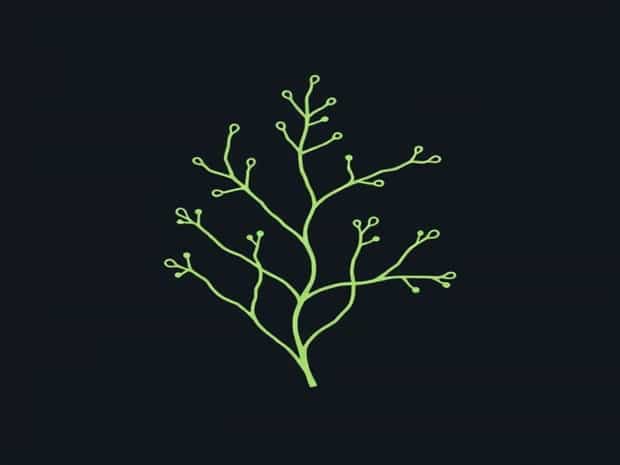
Branched Filamentous Algae Examples
Branched filamentous algae are a fascinating group of photosynthetic organisms that play a vital role in aquatic ecosystems. These algae are characterized by their filamentous structures that branch repeatedly, forming complex networks that can attach to substrates or float freely in water. Unlike unicellular or simple filamentous algae, branched filamentous forms exhibit a higher level of structural complexity, allowing them to thrive in diverse environments including freshwater, marine, and brackish ecosystems. Their growth patterns and morphology contribute not only to the ecological balance of aquatic habitats but also to biofilm formation, nutrient cycling, and providing habitats for microfauna. Understanding branched filamentous algae is important for both ecological studies and practical applications in aquaculture, wastewater management, and environmental monitoring.
Characteristics of Branched Filamentous Algae
Branched filamentous algae display unique features that distinguish them from other types of algae. Their filaments consist of chains of cells connected end-to-end, with branches emerging from certain points along the main filament. This growth pattern allows for rapid colonization of surfaces and efficient absorption of nutrients from water. These algae can vary greatly in size, ranging from microscopic species to large, visible structures that form dense mats in ponds, lakes, or slow-flowing rivers.
Structural Features
The branching pattern in these algae is often a key identifying feature. Some species exhibit monopodial branching, where a single main filament continues while side branches emerge, while others show sympodial branching, where the main filament stops growing and the branches take over as new axes. Their cell walls are typically composed of cellulose and other polysaccharides, which provide rigidity and structural integrity. Chloroplasts are distributed within the cells, facilitating photosynthesis and energy storage.
Examples of Branched Filamentous Algae
Several genera of algae are commonly cited as examples of branched filamentous forms. These examples span green, red, and brown algae, each with distinct ecological roles and habitats. Some of the notable examples include
Green Algae (Chlorophyta)
- CladophoraA widely distributed green algae that forms dense mats in freshwater and marine environments. Cladophora species are known for their high nutrient uptake and ability to form intricate branching structures.
- ChaetomorphaThis genus includes green algae with long, uniseriate filaments that branch irregularly. It is commonly found in aquaria and natural coastal environments.
- RhizocloniumFreshwater and brackish algae that develop coarse, branched filaments attached to rocks, substrates, or floating debris. It plays a significant role in aquatic habitats by providing shelter for small invertebrates.
Red Algae (Rhodophyta)
- PolysiphoniaA marine red algae known for its delicate, highly branched filaments. Polysiphonia is often found in intertidal zones, where it contributes to complex algal assemblages and provides food for herbivorous marine species.
- CompsopogonFound in both freshwater and marine habitats, Compsopogon species form fine, branching filaments that create a dense, carpet-like growth on submerged surfaces.
Brown Algae (Phaeophyceae)
- EctocarpusA small brown algae genus with branched filamentous structures. Ectocarpus is widely used as a model organism for studying developmental biology and life cycles in algae.
- ScytosiphonForms branched filaments in marine environments, often attached to rocks or other hard substrates. It contributes to habitat complexity in coastal ecosystems.
Ecological Importance
Branched filamentous algae play a crucial role in maintaining healthy aquatic ecosystems. Their dense filaments provide microhabitats and shelter for microorganisms, invertebrates, and fish larvae. They are also primary producers, converting sunlight into chemical energy through photosynthesis and contributing to the base of the aquatic food web. In addition, these algae can influence nutrient dynamics by absorbing nitrogen, phosphorus, and other essential elements from water, helping to regulate water quality and prevent nutrient overload in sensitive environments.
Role in Biofilms and Substrate Stabilization
Branched filamentous algae often form biofilms on rocks, sediment, and artificial substrates. These biofilms stabilize surfaces, reduce erosion, and create niches for other organisms. The structural complexity of branched filaments enhances surface area for microbial colonization, supporting diverse microbial communities that play key roles in nutrient cycling and decomposition.
Indicators of Water Quality
Due to their sensitivity to nutrient levels, light, and water flow, branched filamentous algae can serve as indicators of environmental conditions. Excessive growth of certain species, such as Cladophora, may indicate nutrient enrichment or eutrophication, prompting monitoring and management measures to maintain ecological balance.
Applications and Uses
Branched filamentous algae are not only ecologically significant but also have practical applications in various fields. Their growth patterns and biochemical properties make them useful in aquaculture, wastewater treatment, and research. In aquaculture, they provide habitat and food for small fish and invertebrates. In wastewater systems, their ability to absorb nutrients and heavy metals helps in bioremediation processes. Additionally, researchers study these algae to understand filamentous growth, branching mechanisms, and photosynthetic efficiency.
Scientific Research
Algae such as Ectocarpus and Polysiphonia are model organisms for studying developmental biology, genetics, and environmental stress responses. Their branched filamentous structure makes them ideal for examining cell division, differentiation, and filament elongation in multicellular algae.
Biotechnological Potential
Some branched filamentous algae produce bioactive compounds with antibacterial, antifungal, and antioxidant properties. These compounds have potential applications in pharmaceuticals, cosmetics, and nutritional supplements. Additionally, their high growth rates and photosynthetic efficiency make them candidates for sustainable biomass production and carbon sequestration initiatives.
Challenges and Management
Despite their ecological and practical benefits, branched filamentous algae can become problematic when their growth is uncontrolled. In nutrient-rich water bodies, excessive proliferation can lead to algal mats that block sunlight, reduce oxygen levels, and disrupt aquatic ecosystems. Effective management requires monitoring nutrient inputs, maintaining water flow, and sometimes manual removal of dense algal growth to prevent ecological imbalance.
Controlling Overgrowth
- Reduce nutrient loading by managing agricultural runoff and wastewater inputs.
- Promote grazing by herbivorous fish and invertebrates to keep algae in check.
- Introduce mechanical removal or filtration methods in small water bodies.
- Maintain ecological balance through habitat restoration and vegetation management.
Branched filamentous algae examples such as Cladophora, Polysiphonia, and Ectocarpus highlight the diversity and ecological significance of this group of algae. Their complex, branching structures support aquatic ecosystems by providing habitat, stabilizing substrates, and contributing to nutrient cycling. Additionally, these algae have practical applications in aquaculture, research, and environmental management. Understanding their biology, growth patterns, and ecological roles is essential for both preserving natural habitats and harnessing their potential for sustainable applications. While excessive growth can pose challenges, proper monitoring and management ensure that branched filamentous algae continue to be valuable components of aquatic ecosystems worldwide, demonstrating their importance for biodiversity, research, and environmental sustainability.